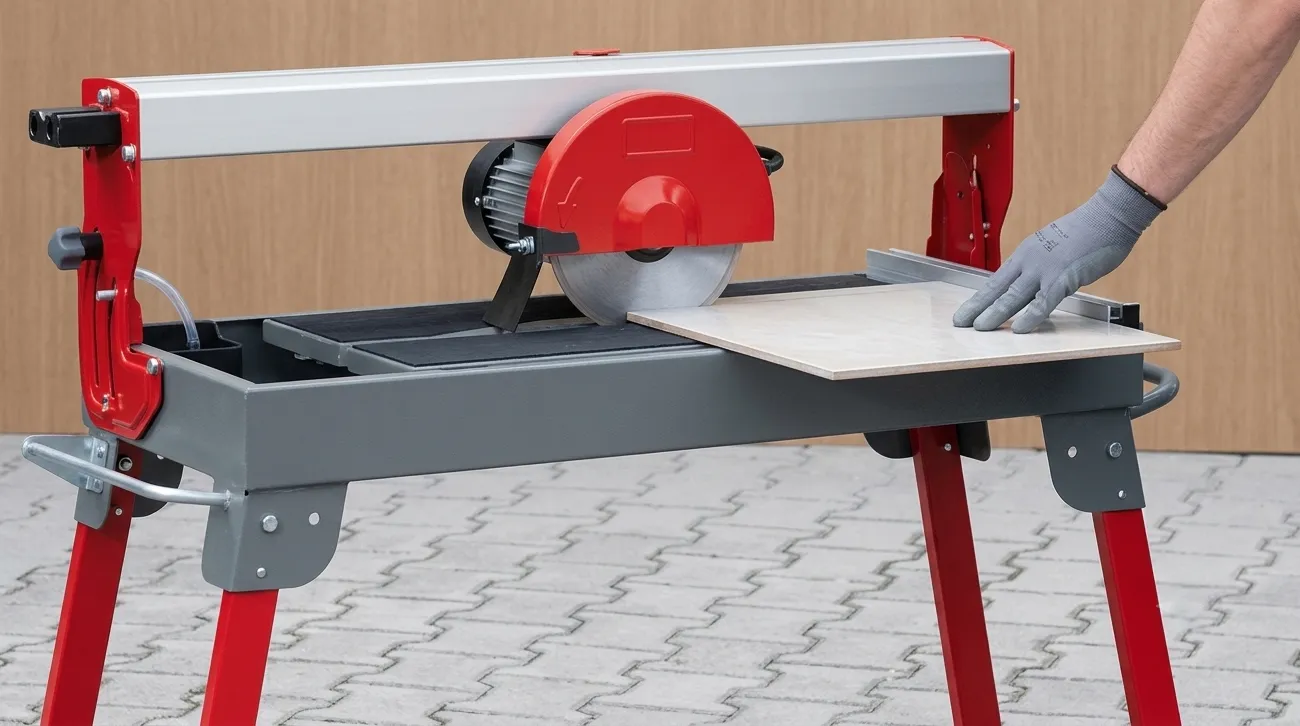

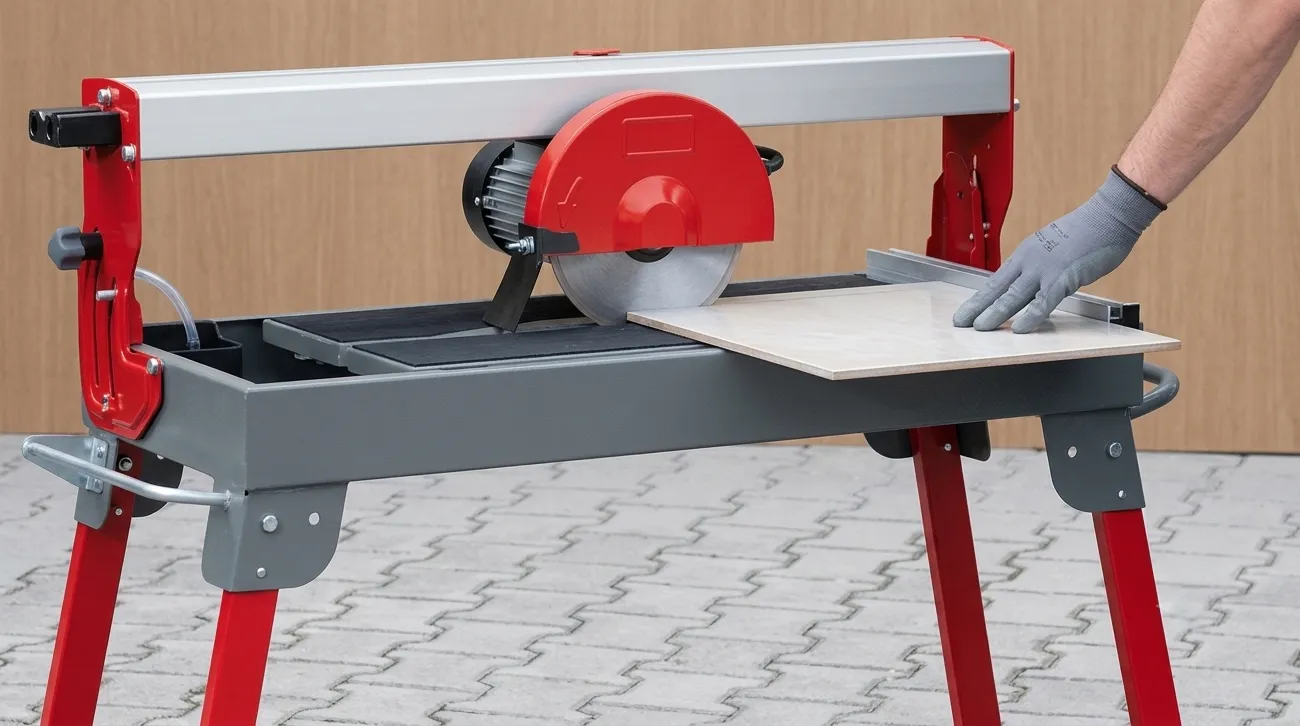
Professional tile installation requires more than good-quality tiles and adhesive. The right tools can have a significant effect on accuracy and productivity. A manual tile cutting machine is one of the most useful tools for installers who regularly need straight and consistent tile cuts. However, different models are designed for different applications, so selecting equipment based only on price may not always provide the best long-term value.
Look at Cutting Capacity First
One of the first factors to evaluate is cutting capacity. The machine should accommodate the tile sizes commonly used in the project.
If an installer frequently works with large-format tiles, a short cutting rail may become restrictive. A longer cutting capacity can make it easier to position and score larger pieces.
Tile thickness should also be considered. The equipment needs to be suitable for the materials being handled. Checking the manufacturer's specifications before purchase can help avoid choosing a machine that is unsuitable for the intended work.
Pay Attention to the Scoring System
The scoring wheel is a critical component because it creates the line along which the tile will break. A good scoring system should provide controlled movement across the tile surface.
Different tiles can respond differently to scoring. Ceramic tiles may require a different approach from harder porcelain products. Therefore, the scoring mechanism should be selected according to the types of tiles the installer handles most frequently.
A properly maintained scoring wheel can help support cleaner and more predictable cuts.
Consider Frame Stability and Guides
A stable machine provides a better working platform. Movement during scoring can affect the accuracy of the cut, especially when working with larger tiles.
When evaluating a manual tile cutting machine, installers should look at the quality of its base, guide rails, measurement system, and tile support. A secure guide can make repeated measurements easier and help maintain consistency throughout a project.
A clearly marked measurement system is another useful feature. It allows installers to position tiles according to the required dimensions without repeatedly relying on external measuring tools.
Maintenance and Everyday Handling
Regular maintenance can extend the useful life of cutting equipment. Dust and tile fragments should be removed after use, while moving components should be checked periodically.
The scoring wheel should also be inspected for wear. If the wheel becomes damaged or loses its effectiveness, replacing it may restore cutting performance.
Proper storage is equally important. Keeping the machine protected from unnecessary impacts and moisture can help preserve its components.
Some practical habits include:
- Clean the cutting bed after use.
- Check the scoring wheel regularly.
- Keep guides free from debris.
- Store the machine securely.
- Follow the manufacturer's operating instructions.
- Avoid exceeding the recommended tile capacity.
Getting Better Results Through Technique
Even a high-quality machine requires proper handling. Installers should measure carefully, position the tile correctly, and maintain controlled movement during scoring.
Rushing through the process can lead to inconsistent results. Taking a few additional moments to confirm alignment can prevent an entire tile from being wasted.
With regular practice, users can develop a consistent technique that improves both speed and accuracy.
Conclusion
Choosing the right manual tile cutting machine involves considering cutting capacity, tile compatibility, scoring performance, stability, and maintenance requirements. A suitable machine can make everyday tile installation more efficient while supporting clean and consistent cuts. By combining the right equipment with careful measurement and proper technique, professionals can achieve better results and reduce unnecessary material waste.
























Sign in to leave a comment.