

In the digital economy, data centers have evolved far beyond mere storage hubs—they are now critical infrastructure driving global connectivity, cloud services, and enterprise operations. Among the many assets that data centers manage, IP addresses have increasingly emerged as a form of strategic capital. But why are these seemingly simple numerical labels so valuable?
The Growing Importance of IP Addresses
An IP address, or Internet Protocol address, is more than just a technical identifier for devices on a network. For data centers, IP addresses are the foundation of network architecture, cybersecurity, and service delivery. Each IP enables the routing of data, ensures connectivity, and maintains the identity of servers hosting websites, applications, and cloud services.
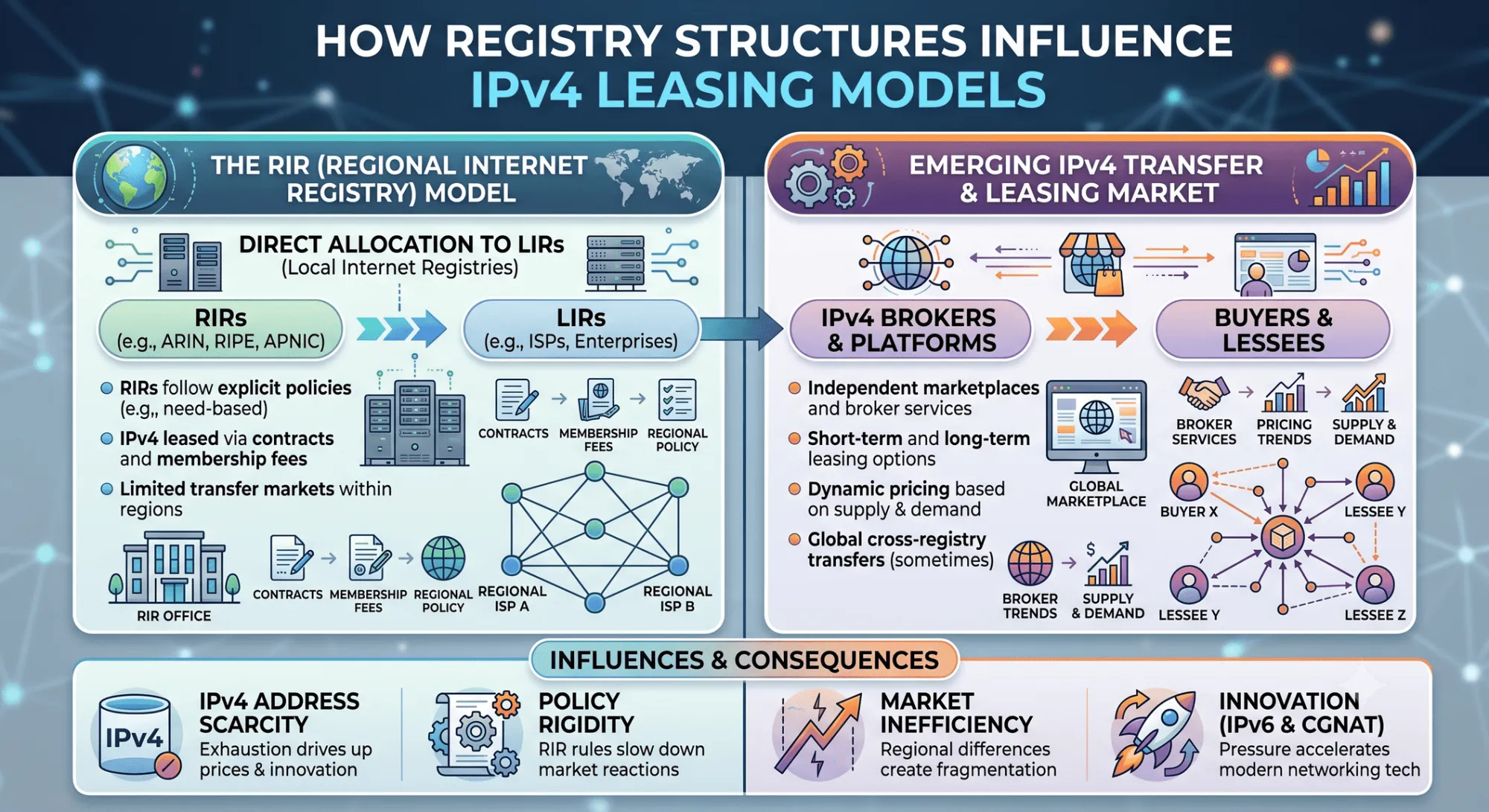
As internet traffic surges and more devices come online, the pool of available IPv4 addresses—the most widely used format—has become limited. This scarcity has given IP addresses tangible market value, turning them into assets that data centers actively manage, trade, and optimize. Organizations that strategically control IP addresses can gain a competitive edge by ensuring network scalability, redundancy, and flexibility.
IP Addresses as a Financial and Strategic Asset
Data centers increasingly view IP addresses as capital rather than just operational resources. This perspective is driven by several factors:
- Market Scarcity and Value Appreciation: IPv4 addresses are a finite resource. With demand outpacing supply, IP addresses can appreciate in value, much like traditional real estate. Owning a block of IP addresses allows data centers to monetize them through leasing, resale, or strategic allocation to high-demand clients.
- Operational Leverage: Large-scale data centers often need vast IP blocks to support cloud services, hosting, or colocation solutions. By securing and managing IP addresses effectively, operators can maintain control over network expansion and ensure consistent service availability, which is crucial for attracting enterprise clients.
- Reputation and Trust Management: Certain IP addresses carry reputational weight. Clean, unblacklisted IPs are critical for email deliverability, secure transactions, and reliable connectivity. Data centers that maintain high-quality IP resources safeguard client operations and preserve brand trust—an intangible yet vital form of capital.
- Strategic Flexibility: Data centers often operate in multiple regions and serve a diverse clientele. Owning IP addresses allows operators to quickly provision new services, adapt to regulatory requirements, and respond to market shifts without dependency on third-party providers. This strategic agility translates directly into competitive advantage.
IP Management as a Core Business Strategy
Forward-looking data centers integrate IP asset management into their broader business strategy. This includes monitoring IP usage, anticipating demand growth, maintaining compliance with regional internet registries, and participating in the IP market for trading or leasing. Effective IP management ensures that the organization can scale efficiently, maintain operational security, and capitalize on the increasing monetary and strategic value of these digital assets.
Conclusion
In today’s hyperconnected world, IP addresses have transformed from technical identifiers to strategic capital. Data centers that recognize this shift gain operational efficiency, financial leverage, and competitive agility. Whether through optimizing network performance, enhancing reputation management, or participating in IP markets, the ability to control and deploy IP addresses strategically is now a core differentiator for data centers.
For enterprises and service providers, understanding the capital value of IP addresses is essential. Just as businesses treat physical real estate as an investment, modern data centers view IP addresses as critical digital infrastructure—assets that drive growth, security, and long-term strategic advantage.




























Sign in to leave a comment.