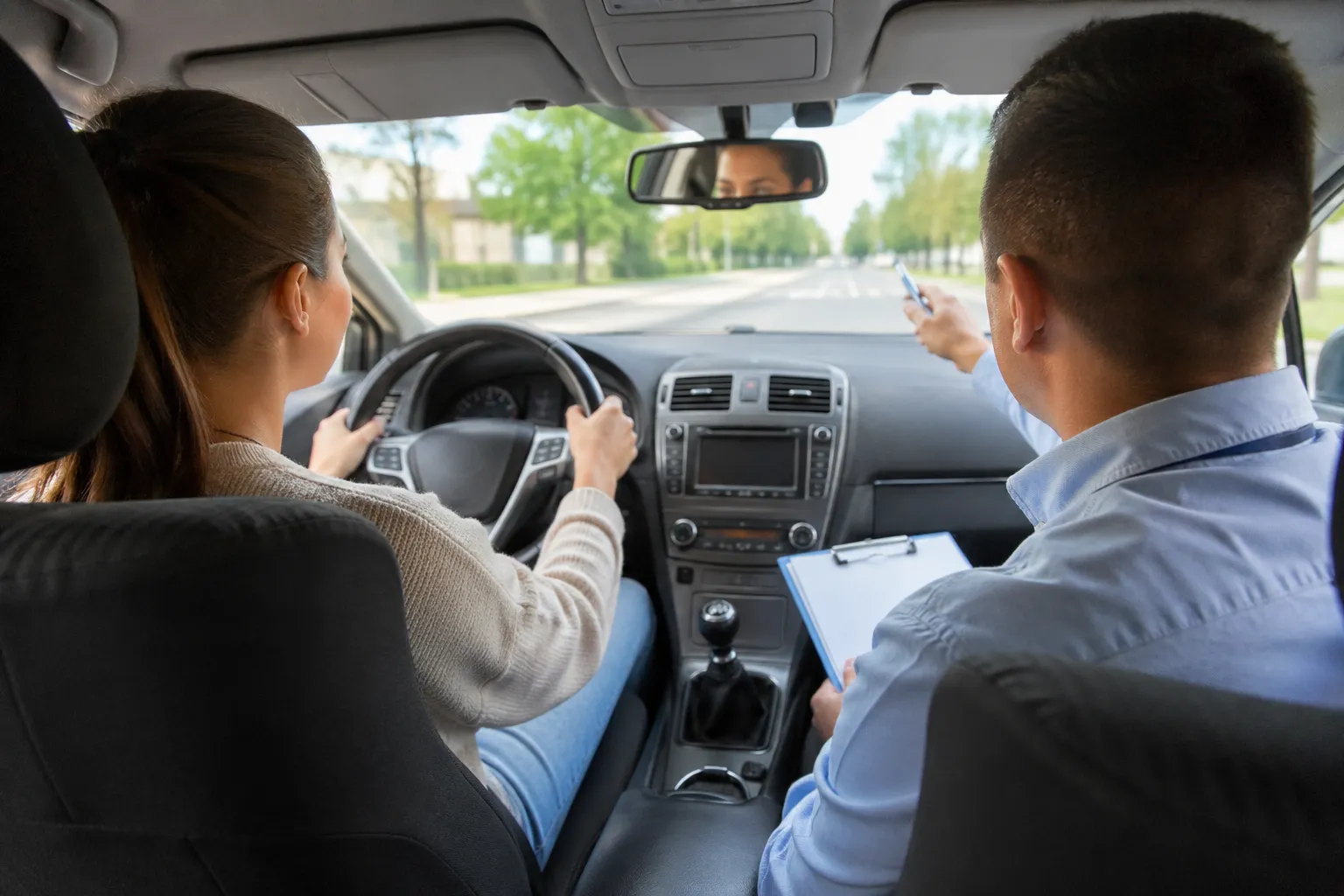

Road safety is one of the most important responsibilities for every driver. No matter how experienced a person may be accidents and dangerous situations can happen at any time. Heavy traffic distracted drivers poor weather and unexpected road conditions all increase the risks on the road. This is why proper driving education is important for both beginners and experienced drivers. Defensive Driving Training teaches drivers how to stay alert avoid dangers and make safer decisions while driving.
Many accidents happen because drivers react too late or fail to notice risks around them. Defensive driving focuses on awareness observation and preparation. Drivers learn how to anticipate possible dangers and respond calmly during difficult situations. These skills help protect not only the driver but also passengers pedestrians and other road users.
What Is Defensive Driving
Defensive driving is a style of driving that focuses on safety and awareness. It teaches drivers to expect unexpected situations and react safely before problems become serious. Instead of simply following traffic rules defensive drivers pay close attention to surrounding traffic road conditions and driver behavior.
Defensive Driving Training helps learners understand how to identify risks early. Drivers learn how to maintain safe distances avoid distractions and stay focused in busy traffic situations. This type of training also improves reaction time and decision making.
A defensive driver does not rely only on other drivers to follow the rules. They remain prepared for mistakes made by others and take action to reduce accident risks whenever possible.
Why Road Safety Matters
Road accidents can cause injuries financial loss and emotional stress. Many accidents happen because drivers are distracted impatient or careless. Even experienced drivers can face dangerous situations if they are not fully alert.
Defensive Driving Training improves road safety by teaching drivers how to stay calm and focused. Drivers learn to recognize risky situations before they become emergencies. This awareness reduces the chances of collisions and helps drivers protect themselves and others.
Safe driving habits also create better traffic flow and reduce stress on busy roads. Responsible drivers contribute to safer communities and help prevent unnecessary accidents.
Building Better Awareness on the Road
Awareness is one of the most important parts of safe driving. Drivers must pay attention to road signs traffic signals pedestrians cyclists and surrounding vehicles at all times.
Defensive Driving Training teaches learners how to scan the road properly and remain aware of possible hazards. Drivers learn to check mirrors frequently monitor blind spots and observe traffic patterns carefully.
Good awareness helps drivers react quickly during unexpected situations. For example a defensive driver may notice sudden braking ahead or a pedestrian stepping onto the road before a dangerous situation develops.
Awareness also improves confidence because drivers feel more prepared for different road conditions and traffic situations.
Learning How to Maintain Safe Distances
Following vehicles too closely is one of the common causes of accidents. Drivers who leave little space between vehicles may not have enough time to stop safely if traffic suddenly slows down.
Defensive Driving Training teaches the importance of maintaining safe following distances. Drivers learn how weather traffic speed and road conditions affect stopping distance.
Keeping enough space between vehicles gives drivers more time to react during emergencies. This simple habit can prevent many rear end collisions and improve overall road safety.
Safe distance management is especially important during rain fog or snow when roads become slippery and visibility is reduced.
Handling Dangerous Weather Conditions
Weather conditions can make driving more difficult and dangerous. Rain fog snow and strong winds all affect visibility and vehicle control. Many drivers underestimate the impact weather has on road safety.
Defensive Driving Training prepares drivers for different weather conditions by teaching safe speed control braking and steering techniques. Drivers learn how to adjust their driving habits when roads become slippery or visibility becomes poor.
Students also understand the importance of using headlights correctly checking tire conditions and maintaining vehicle safety during bad weather.
Proper weather driving skills help drivers stay calm and avoid panic during difficult road conditions.
Avoiding Distracted Driving
Distracted driving is one of the biggest dangers on modern roads. Mobile phones eating conversations and navigation systems can take a driver’s attention away from the road for just a few seconds. These distractions increase accident risks significantly.
Defensive Driving Training teaches drivers the importance of staying fully focused while driving. Learners understand how distractions affect reaction time and decision making.
Drivers are encouraged to avoid texting using phones or engaging in activities that reduce concentration. Staying focused helps drivers respond more quickly to traffic changes and emergencies.
Safe driving requires complete attention and defensive driving habits help drivers maintain that focus.
Improving Confidence for New Drivers
Many beginner drivers feel nervous when they first start driving independently. Busy roads heavy traffic and highway driving can feel stressful for inexperienced learners.
Defensive Driving Training helps new drivers build confidence by teaching them how to handle difficult situations safely. Learners practice observation braking lane changes and emergency responses under professional guidance.
Confidence grows when drivers understand how to react calmly during stressful situations. Defensive driving lessons help beginners feel more prepared for real road conditions.
Confident drivers are often safer drivers because they remain calm and make better decisions behind the wheel.
Reducing the Risk of Accidents
One of the main goals of defensive driving is accident prevention. Drivers who stay alert and prepared are less likely to become involved in collisions.
Defensive Driving Training teaches drivers how to identify risky behavior from other motorists. For example drivers learn how to recognize aggressive driving sudden lane changes and distracted drivers.
By anticipating risks drivers can react earlier and avoid dangerous situations. These skills are especially valuable in busy cities where traffic conditions change quickly.
Accident prevention not only improves safety but also reduces repair costs insurance claims and stress for drivers and families.
Defensive Driving for Highway Safety
Highway driving requires extra attention because vehicles travel at higher speeds. Lane changes merging and maintaining safe distances become even more important on highways.
Defensive Driving Training teaches drivers how to merge safely monitor surrounding traffic and remain calm during heavy traffic situations. Drivers also learn how to avoid blind spots and maintain proper speed control.
Highway safety skills help drivers feel more comfortable during long distance travel and daily commuting. Proper training reduces fear and improves overall confidence on fast moving roads.
Benefits for Experienced Drivers
Defensive driving is not only for beginners. Experienced drivers can also benefit from refresher training and updated safety techniques.
Defensive Driving Training helps experienced drivers improve awareness correct bad habits and stay informed about road safety practices. Many drivers become too comfortable over time and may stop paying full attention while driving.
Refresher training encourages drivers to remain alert and responsible. These lessons help improve long term safety and driving confidence.
Experienced drivers who practice defensive driving often become better role models for younger drivers and family members.
Importance of Staying Calm Under Pressure
Stress and frustration can negatively affect driving decisions. Drivers who become angry or impatient may speed tailgate or react aggressively.
Defensive Driving Training teaches drivers how to remain calm during stressful traffic situations. Learners understand the importance of patience self control and safe decision making.
Calm drivers are more focused and less likely to make dangerous mistakes. Emotional control is an important part of defensive driving because it helps reduce risky behavior on the road.
Developing Lifelong Safe Driving Habits
Driving is a lifelong responsibility and safe habits should continue long after training ends. Defensive driving teaches habits that improve safety every day.
Defensive Driving Training encourages drivers to avoid distractions respect traffic laws and stay aware of surrounding conditions. These habits reduce accident risks and improve confidence over time.
Drivers who practice defensive driving contribute to safer roads and better driving environments for everyone.
Conclusion
Road safety requires awareness patience and responsible decision making. Defensive Driving Training helps drivers improve observation skills maintain safe distances and react calmly during dangerous situations. These lessons reduce accident risks and help drivers build confidence in different road conditions. Whether someone is a beginner or an experienced driver defensive driving habits provide long term benefits for safety and confidence. For learners looking for professional driving education and road safety guidance Grover Driving Academy offers quality training programs designed to help drivers become safer and more responsible on the road.
FAQs
What is defensive driving?
Defensive driving is a safe driving method that focuses on awareness preparation and avoiding dangerous situations on the road.
Why is defensive driving important?
Defensive driving helps reduce accident risks improves awareness and teaches drivers how to react safely during emergencies.
Can beginners benefit from defensive driving lessons?
Yes beginners gain confidence and learn important safety skills that help them become more prepared drivers.
How does defensive driving improve road safety?
Drivers learn to maintain safe distances avoid distractions and anticipate risky situations before accidents happen.
Is defensive driving useful for experienced drivers?
Experienced drivers can improve awareness refresh safety knowledge and correct bad habits through defensive driving training.






















Sign in to leave a comment.