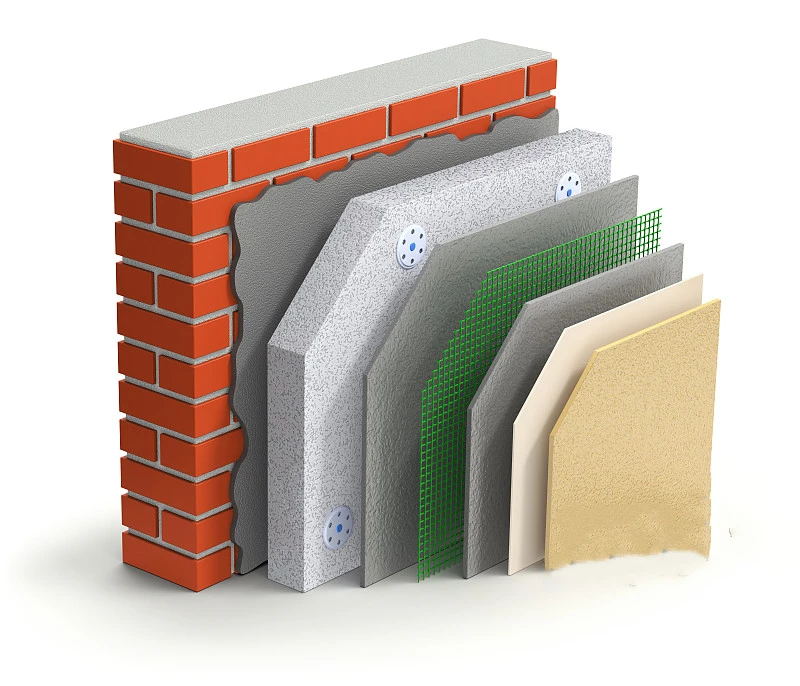

When architects propose EIFS for commercial buildings, developers often ask the same question:
“Is it really worth the cost?”
The hesitation rarely comes from the system itself. Most concerns arise from unclear pricing, lack of local experience, and confusion about long-term performance.
Understanding these concerns helps project planners make better decisions.
Uncertainty Around Project Cost
One of the biggest concerns developers raise is the EIFS price in India.
Unlike standard plaster finishes, EIFS is a layered façade system that includes insulation boards, base coat, reinforcement mesh, and acrylic finishes. Because multiple components are involved, pricing varies depending on insulation thickness, façade area, and design complexity.
Developers who compare EIFS directly with cement plaster often feel it is expensive. However, this comparison is incomplete because plaster only provides finishing, while eifs wall insulation India systems provide insulation and façade finish together.
Lack of Familiar Contractors
Another reason some builders hesitate is limited availability of trained installers.
EIFS requires specialized installation methods. If contractors treat it like conventional plaster work, performance problems can appear.
Builders usually feel more confident once they work with contractors who understand insulation boards, mesh reinforcement, and drainage detailing.
Long-Term Performance Questions
Developers also ask about durability.
Many people have heard stories about façade damage caused by improper installation. These cases usually occur when wall preparation, joint detailing, or moisture protection is ignored.
Properly installed EIFS systems are widely used across Europe and North America for decades.
Energy Savings Are Often Ignored
A major benefit of EIFS is improved thermal performance.
Commercial buildings consume large amounts of electricity for cooling. EIFS reduces heat transfer through external walls, lowering air-conditioning loads.
When developers calculate long-term operational savings, EIFS often becomes financially attractive.
The Role of Industry Experience
As more projects adopt modern façade systems, awareness is gradually increasing.
Companies such as Skyrotek Construction Pvt. Ltd. have demonstrated that when EIFS is installed with proper façade engineering practices, it can provide durable insulation and modern building aesthetics for commercial projects.
For developers evaluating façade systems, the real comparison should not be plaster vs EIFS, but basic finishing vs energy-efficient façade design.


















Sign in to leave a comment.