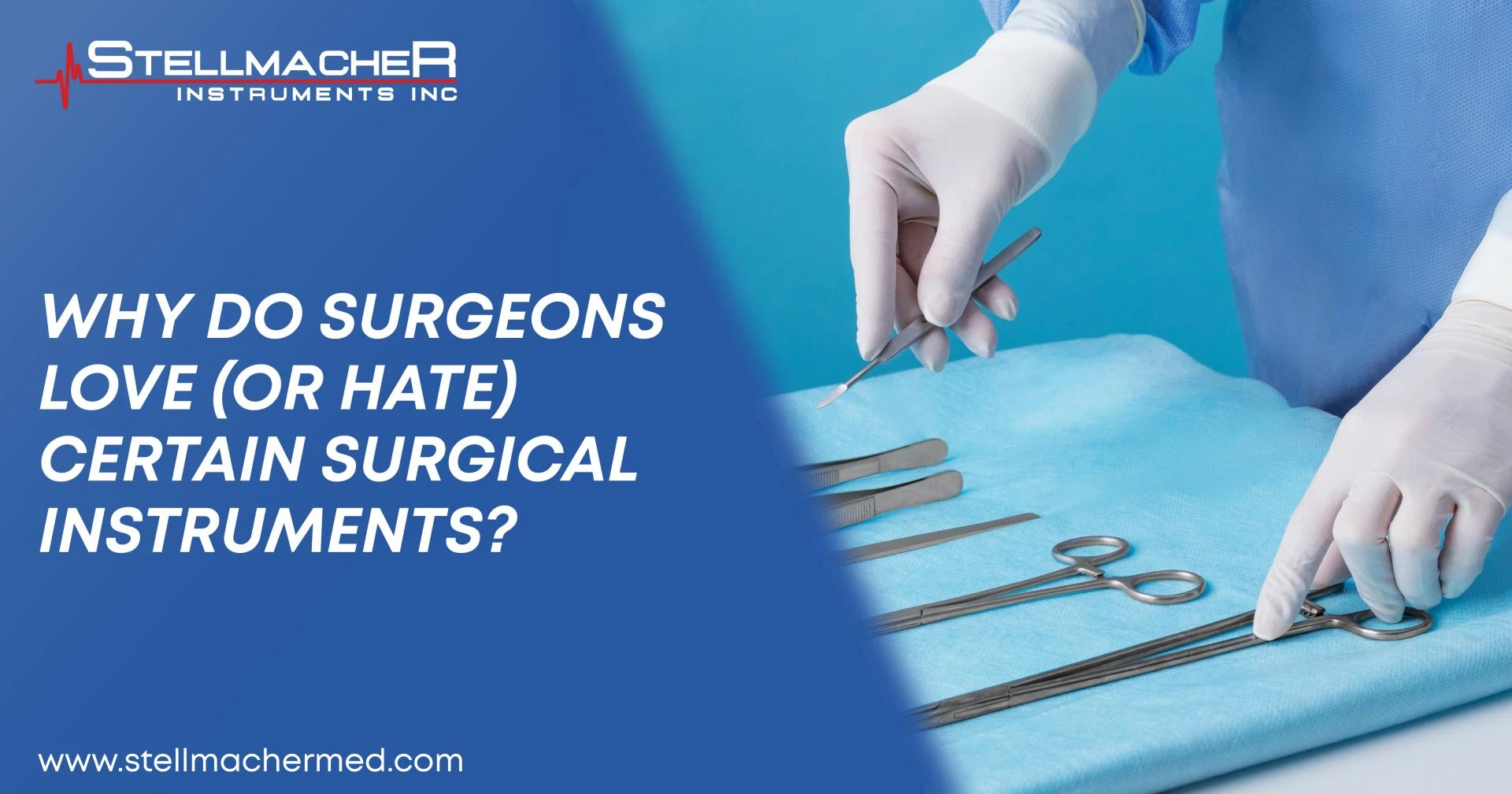

Any operating room's lifeline is its surgical instruments. Some tools are disliked because of their inefficiency, discomfort, or even the frustration they cause during crucial moments, while others become a vital part of a surgeon's hand, facilitating intricate procedures with ease. Surgeons and their equipment have a very intimate relationship that is influenced by surgical specialty, experience, and personal choice. While some tools provoke criticism because of their design, use, or even their history, others are generally praised for their accuracy. What, then, causes surgeons to choose or dislike particular surgical tools? Let's investigate.
The Beloved Instruments: Precision, Control, and Reliability
Surgeons develop an affinity for instruments that provide superior control, ease of use, and reliability. These are the tools that feel like an extension of their hands, allowing for maximum precision with minimal effort. Some of the most beloved instruments include:
Scalpels – The Icon of Surgery
- The scalpel is perhaps the most iconic surgical instrument, admired for its razor-sharp edge and ability to create clean incisions. Surgeons appreciate scalpels with ergonomic handles and replaceable blades, ensuring consistent sharpness and control.
Forceps – The Perfect Grasp
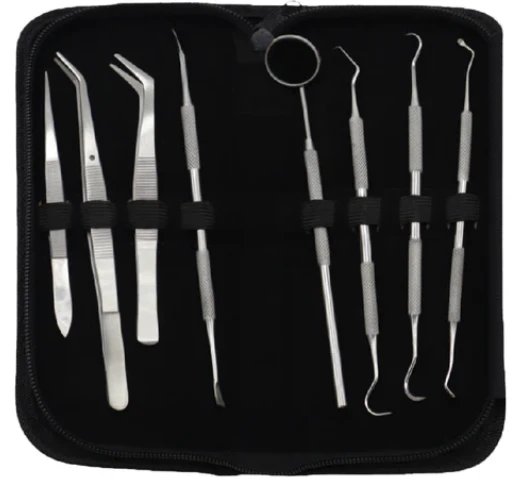
- Adson, DeBakey, and Russian forceps are among the most favored due to their secure grip and non-slip design. Forceps allow delicate tissue handling without excessive trauma, making them indispensable in general and microsurgery.
Needle Holders – The Essential Suture Assistant
- Instruments like Mayo-Hegar and Castroviejo needle holders are cherished for their precision in suturing. Surgeons favor models with a firm grip and smooth, controlled closure, reducing hand fatigue during long procedures.
Electrosurgical Pencils – Precision with Cautery
- In modern surgeries, electrosurgical pencils, such as the ESU pencil, are highly valued for their ability to cut and coagulate tissue simultaneously. These tools minimize blood loss and improve surgical efficiency, making them a preferred choice in various specialties.
Laparoscopic Instruments – Minimally Invasive Marvels
- Surgeons specializing in minimally invasive procedures swear by laparoscopic tools for their ability to reduce patient recovery time. Instruments like graspers, trocars, and laparoscopic scissors allow precision while working within tiny incisions, making them a surgeon’s best friend.
The Most Hated Instruments: Frustration, Inefficiency, and Discomfort
Just as some instruments are adored, others evoke frustration due to poor design, lack of comfort, or suboptimal performance. Here are some of the instruments that often earn a surgeon’s dislike:
Hemostats That Don’t Clamp Properly
- When hemostats fail to lock or hold tissue securely, they become a surgeon’s worst nightmare. Instruments with weak locking mechanisms or excessive tension can lead to accidental slippage, prolonging surgery time and increasing frustration.
Bulky or Unbalanced Scissors
- Surgical scissors that are too heavy, unbalanced, or dull can be incredibly frustrating to use. Instruments like Metzenbaum or Mayo scissors must maintain sharpness and ease of handling, or they risk being sidelined by surgeons who prefer a more efficient alternative.
Retractors That Cause Excessive Tissue Trauma
- While retractors are essential for exposing surgical sites, some designs apply excessive pressure, leading to unnecessary tissue damage. Instruments like the Balfour retractor, if not properly placed, can cause patient discomfort post-surgery, making some surgeons reluctant to use them.
Needle Holders with Weak Grips
- A loose or weak grip on a needle holder can be disastrous during suturing. If an instrument doesn’t securely hold the suture needle, it leads to repetitive adjustments, slowing down the procedure and causing significant irritation.
Outdated or Overly Complex Instruments
- Some surgical tools remain in use despite better alternatives being available. Instruments with outdated locking mechanisms, excessive components, or a steep learning curve can frustrate modern surgeons accustomed to streamlined technology.
The Emotional Connection Between Surgeons and Their Tools
Surgeons and their tools have an emotional bond that goes beyond practicality. A confident surgeon can concentrate on the process instead of struggling with equipment when using a well-balanced tool. On the other hand, a badly made tool can raise uncertainty and delay judgment, which makes high-stakes surgery more stressful. This relationship is particularly noticeable among seasoned surgeons who form preferences based on years of experience.
Furthermore, a surgeon's perception is influenced by their own experiences. Future decisions may be influenced if a specific instrument played a role in the success or failure of a surgical procedure. Some surgeons even hold onto specific tools as lucky charms because they think they will produce positive results.
Innovation in Surgical Instruments: Addressing the Love-Hate Relationship
The medical device industry continuously evolves to address the needs of surgeons. Manufacturers work closely with medical professionals to refine designs, improve ergonomics, and enhance precision. Modern advancements such as robotic-assisted surgery and AI-powered instruments aim to eliminate inefficiencies and improve surgical performance. Companies now prioritize user-friendly, lightweight, and durable instruments to ensure maximum efficiency in operating rooms.
Conclusion
Surgical instruments are more than just tools; they are an extension of a surgeon’s skill and expertise. While some instruments are beloved for their precision and ease of use, others are disliked due to inefficiency or discomfort. The relationship between surgeons and their instruments is deeply personal, shaped by experience and the evolving landscape of surgical technology. As innovations continue to enhance surgical tools, the balance between love and hate in the operating room will keep shifting, ensuring better outcomes for both surgeons and patients alike.
For Further Information Visit: Best Surgical Supply Store





















Sign in to leave a comment.