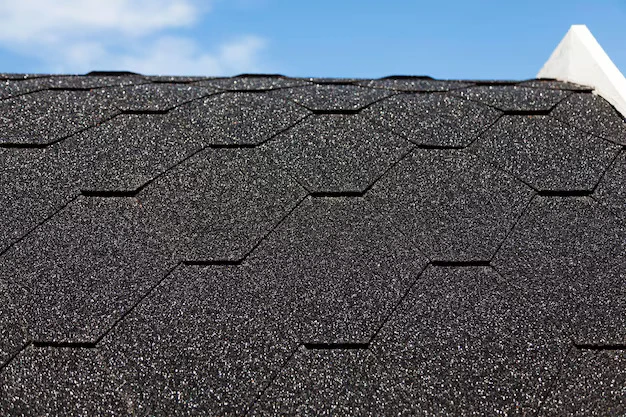

If you have ever looked at a flat roof and noticed a layer of small stones spread evenly across the surface, you might have wondered why they are there. It is not decorative. It is not random. And it is definitely not leftover construction debris.
Gravel on a flat roof plays a practical and important role, especially in climates like Montreal where heavy snow, freeze thaw cycles, and strong sun exposure test roofing systems year after year.
As a roofing professional, I have inspected countless flat roofs, and I can tell you this: when gravel is properly installed and maintained, it significantly extends the life of the roof. When it is neglected or improperly applied, problems show up quickly.
Let’s break down why gravel is added, how it works, and what homeowners and property managers should know.
What Type of Flat Roof Uses Gravel?
Gravel is most commonly used on built up roofing systems, often called BUR roofs. These systems consist of multiple layers of asphalt and reinforcing felt, topped with a final layer of bitumen. While that top layer is waterproof, it is not designed to remain fully exposed to the elements.
That is where gravel comes in.
The gravel layer is embedded into the top coat of asphalt to create what we call a flood coat and aggregate surface. This combination provides durability, protection, and stability.
1. Protection from UV Rays
One of the biggest enemies of any flat roof is ultraviolet radiation. Sunlight gradually breaks down exposed asphalt. Over time, this causes cracking, drying, and brittleness.
Gravel acts like sunscreen for your roof.
Instead of UV rays hitting the bitumen directly, they hit the stones. The gravel absorbs and deflects sunlight, dramatically slowing down deterioration. Without that protective layer, the roof membrane would age much faster.
In my experience, a BUR roof without adequate gravel coverage can show premature wear in as little as a few years, especially on large commercial buildings with full sun exposure.
2. Shield Against Weather and Impact
Flat roofs deal with more than sunlight. In Quebec, we see:
- Heavy snowfall
- Ice accumulation
- Freeze thaw cycles
- Wind driven debris
Gravel adds a physical barrier between the membrane and the outside environment. When hail falls or debris lands on the roof, the stones absorb the impact instead of the waterproof layers underneath.
This protection is especially important for property owners looking to avoid frequent roof repair Montreal services. Minor surface damage can quickly turn into leaks if the membrane is exposed.
3. Improved Fire Resistance
Another overlooked benefit is fire protection. Gravel adds a non combustible surface layer. In the event of airborne embers or external heat exposure, the stone layer helps slow flame spread.
While it is not a substitute for proper fire rated materials, it does contribute to overall roof safety.
4. Weight and Stability in High Winds
Flat roofs are particularly vulnerable to uplift forces during strong winds. The gravel layer adds weight to the system, helping to hold roofing materials in place.
In open areas or on taller buildings, this added ballast makes a real difference. I have seen roofs where insufficient gravel coverage allowed membrane sections to lift and wrinkle during storms.
When a roofing company Montreal performs inspections after wind events, one of the first things we check is gravel displacement. If stones have been blown away, the roof becomes vulnerable.
5. Temperature Regulation
Gravel also plays a role in moderating temperature fluctuations.
Flat roofs expand and contract as temperatures rise and fall. The stone layer helps reduce extreme surface heat by reflecting some solar radiation. It also slows down heat transfer to the membrane beneath.
In winter, the gravel layer can help stabilize snow distribution, preventing uneven melting that may contribute to ice formation at roof edges.
6. Extended Roof Lifespan
All these factors combined lead to one big advantage: longevity.
A properly installed built up roof with well maintained gravel can last 20 to 30 years or more. Without gravel, that lifespan drops significantly.
That is why professional home roofing services always assess gravel coverage during inspections. If areas are thin or bare, reapplication may be recommended as part of roof maintenance services.
What Happens If Gravel Is Missing?
When gravel coverage becomes uneven, several problems can occur:
- UV damage accelerates
- The membrane becomes brittle
- Water pooling increases
- Small cracks develop
- Leaks follow
I have inspected buildings where rooftop equipment installers pushed gravel aside and never redistributed it. Within a few seasons, those exposed sections began deteriorating faster than the surrounding areas.
Routine inspections help catch these issues early. Many property owners ask about roof inspection cost, and the truth is that inspections are far less expensive than emergency repairs. Preventative evaluation saves money in the long run.
Step by Step: How Gravel Is Installed on a Flat Roof
For those curious about the process, here is a simplified breakdown.
Step 1: Apply Multiple Layers of Roofing Felt and Bitumen
Layers are alternated to create a thick, waterproof membrane.
Step 2: Add a Flood Coat
A hot asphalt layer is spread evenly over the surface.
Step 3: Embed the Gravel
Clean, washed aggregate is broadcast onto the hot asphalt.
Step 4: Set and Cure
The asphalt cools, locking the gravel into place.
The key is uniform coverage. Too little gravel leaves exposure. Too much can create uneven drainage.
Gravel and Ice Dams
In climates like Montreal, ice dam formation is a serious concern. While ice dams are more common on sloped roofs, flat roofs can also suffer from ice buildup along edges and drains.
Gravel itself does not prevent ice dams, but it can help regulate melting patterns by protecting the membrane from direct heat fluctuations. Proper insulation and drainage are still the primary defense.
If ice buildup becomes severe, professional roof ice dam removal is critical. Attempting to chip away ice without proper tools can damage the gravel layer and membrane underneath.
Maintenance Tips for Gravel Roofs
From years of field experience, here are practical recommendations:
Inspect Twice Per Year
Spring and fall inspections help catch gravel displacement and drainage issues.
Check After Major Storms
Wind can shift aggregate, especially around edges and parapets.
Keep Drains Clear
Gravel can accumulate near drains. Blocked drainage leads to ponding water.
Redistribute When Needed
If you notice bare spots, consult professionals to rebroadcast gravel rather than leaving exposed asphalt.
Working with experienced contractors such as Belgrave Roofing ensures that repairs and maintenance are handled correctly.
Is Gravel Used on All Flat Roofs?
No.
Modern flat roofing systems like TPO, EPDM, and PVC membranes typically do not use gravel. These single ply membranes are manufactured with built in UV resistance.
Gravel is most common on traditional built up asphalt roofs. Some modified bitumen systems may also use granulated surfaces instead of loose aggregate.
If you are unsure what type of roof you have, a professional inspection is the best starting point.
Learning from Industry Practices
Roofing specialists, including companies such as Le Couvreur, often emphasize that gravel is not optional decoration. It is a designed component of the system.
When property owners remove gravel thinking they are improving drainage or aesthetics, they unintentionally shorten the life of the roof.
Understanding the function behind each layer helps prevent costly mistakes.
Conclusion
Gravel on a flat roof is not just a finishing touch. It protects the membrane from sun damage, harsh weather, impact, and wind uplift while helping regulate temperature and extend the roof’s lifespan. Especially in climates like Montreal, that protective layer plays a critical role in long term performance. When properly maintained, a gravel surfaced roof remains one of the most durable and cost effective flat roofing systems available.
























Sign in to leave a comment.