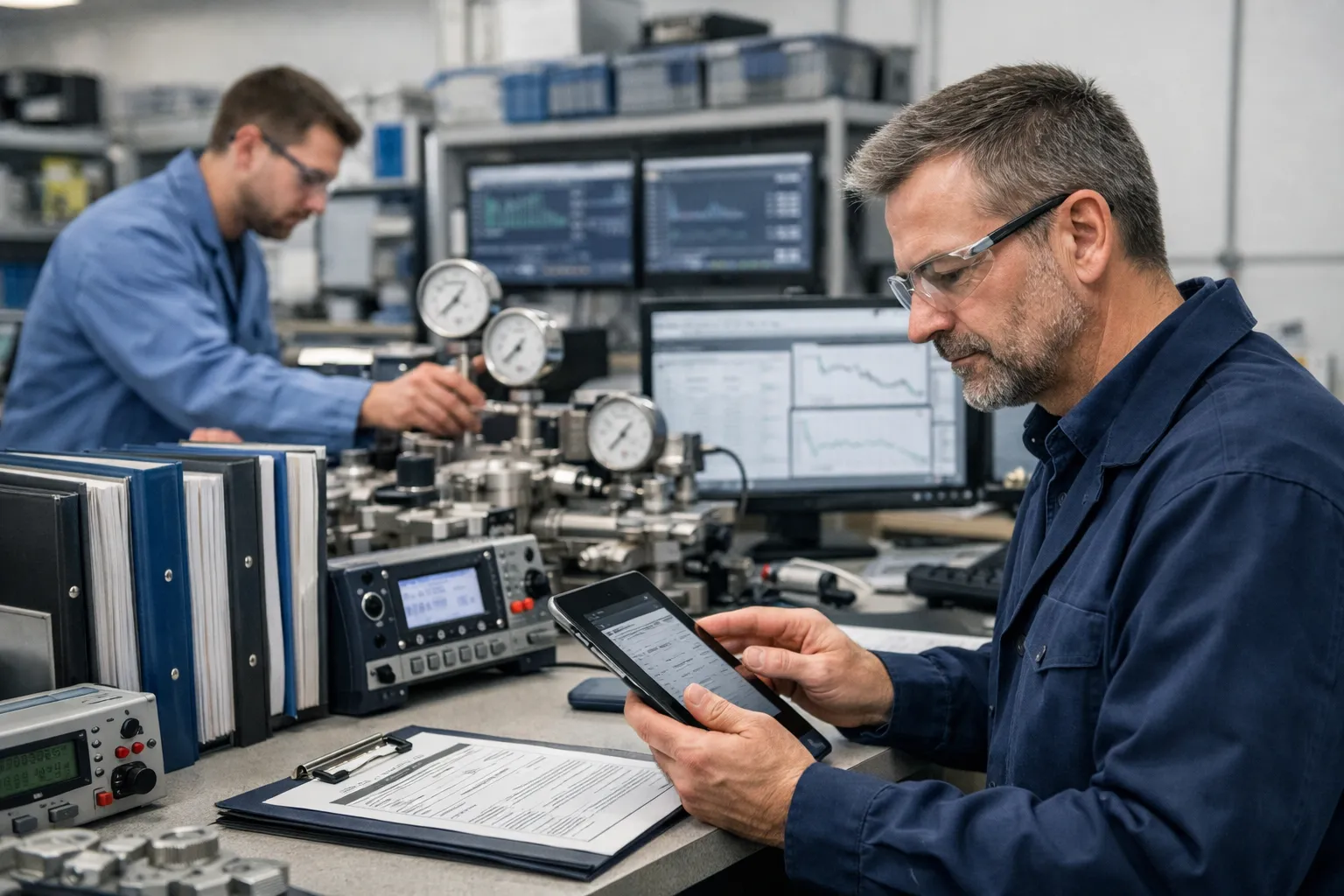

Calibration plays an important role in maintaining the accuracy of measuring instruments used across many industries. When organizations enter into long-term service agreements, keeping proper records becomes just as important as the calibration work itself. Calibration Contracts in Abu Dhabi often involve regular inspections, testing, and verification of instruments over an extended period. Without clear documentation, it can become difficult to track service history, monitor equipment performance, and demonstrate compliance with industry requirements.
Understanding Documentation in Calibration Agreements
Documentation refers to all records created during the calibration process. These records may include calibration certificates, service reports, equipment history logs, inspection findings, and maintenance schedules.
These documents provide a clear record of what work was completed, when it was performed, and what results were obtained. They also help organizations maintain consistency in equipment management. When records are organized and accessible, it becomes easier to review previous calibrations and compare performance over time.
Supporting Equipment Accuracy Over Time
Measuring instruments can gradually drift from their original accuracy due to regular use, environmental conditions, and aging components. Long-term documentation helps identify these changes before they affect operations.
By reviewing past calibration records, technicians can detect patterns and determine whether an instrument is becoming less stable. This information helps organizations make informed decisions regarding maintenance, repairs, or replacement.
Accurate records also allow teams to verify that calibration intervals are being followed correctly. Missing calibration dates can increase the risk of inaccurate measurements and operational issues.
Helping Meet Compliance Requirements
Many industries must comply with quality standards, safety regulations, and internal management systems. Documentation serves as evidence that equipment has been calibrated according to established procedures.
Auditors and inspectors often request calibration records during assessments. Well-maintained documentation can demonstrate that instruments are regularly checked and maintained.
Without proper records, organizations may struggle to prove compliance, even if calibration work was completed. Keeping detailed documentation helps reduce uncertainty during audits and inspections.
Improving Maintenance Planning
Long-term calibration records provide valuable information about equipment condition and performance. Maintenance teams can use this information to create more effective maintenance schedules.
For example, if documentation shows repeated adjustments for a specific instrument, it may indicate that additional maintenance is required. Historical records can also help identify equipment that frequently experiences problems.
This approach supports better planning and helps reduce unexpected downtime. When maintenance activities are based on documented information, organizations can manage resources more effectively.
Creating Better Traceability
Traceability is an important part of quality management. Documentation allows organizations to track the complete history of an instrument from installation through calibration and maintenance activities.
If measurement issues occur, records can help determine when the problem started and what actions were taken previously. This level of traceability supports investigations and corrective actions.
Clear documentation also ensures that different departments can access the same information, reducing confusion and improving communication across teams.
Supporting Decision-Making
Reliable information is essential when making decisions about equipment management. Documentation provides objective data rather than relying on assumptions or memory.
Managers can review calibration histories to evaluate equipment performance and determine whether existing instruments continue to meet operational needs. Historical records can also support budgeting decisions related to maintenance and replacement planning.
When decisions are based on documented evidence, organizations can reduce uncertainty and improve long-term equipment management.
Reducing the Risk of Missing Information
Over the course of a long-term agreement, multiple technicians, managers, and departments may become involved in equipment maintenance activities. Documentation helps ensure that important information remains available even when personnel change.
Records create a consistent source of information that can be referenced whenever needed. This reduces the possibility of misunderstandings and helps maintain continuity throughout the agreement period.
A well-organized documentation system also makes it easier to retrieve information quickly when questions arise about previous calibration activities.
Building Consistency Across Multiple Instruments
Organizations often manage a large number of measuring instruments at the same time. Documentation helps maintain consistency by ensuring that calibration activities are recorded in a standardized format.
Consistent records make it easier to compare equipment performance, review service history, and monitor calibration schedules. Standardized documentation also supports better reporting and record management.
As equipment inventories grow, organized documentation becomes increasingly important for maintaining control over calibration activities and ensuring accurate measurement practices.
Proper documentation is a valuable part of every long-term calibration agreement. It supports accuracy, compliance, traceability, maintenance planning, and informed decision-making. By maintaining complete and organized records, organizations can better manage their equipment throughout its lifecycle. For businesses operating under Calibration Contracts in Abu Dhabi, effective documentation remains an essential tool for maintaining reliable measurement systems and supporting long-term operational efficiency.























Sign in to leave a comment.