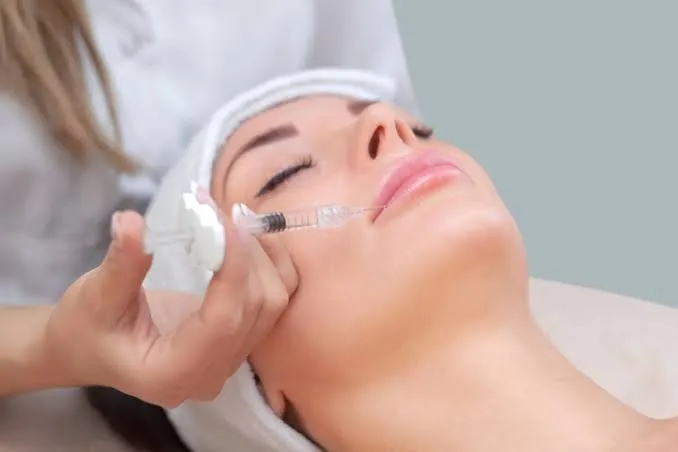

Juvederm Filler in Dubai is widely chosen for facial enhancement because of its smooth results and natural-looking volume, but one of the most common post-treatment experiences is swelling. While it can be surprising for first-time users, swelling after dermal fillers is actually a normal biological response. Understanding why it happens helps reduce anxiety and sets realistic expectations for recovery and results.
Swelling is not a complication in most cases—it is part of the body’s natural healing process after the skin has been injected. Let’s explore the science, causes, and ways to manage it effectively.
Understanding Swelling After Juvederm Filler
Swelling occurs when the body reacts to micro-injuries caused by injections and the introduction of hyaluronic acid-based gel into the skin. Even though Juvederm is designed to be biocompatible, your body still recognizes the process as a form of trauma.
The Role of Hyaluronic Acid in Swelling
Juvederm is made from hyaluronic acid (HA), a substance naturally found in the skin. One of HA’s key properties is its ability to attract and bind water molecules.
This means that after injection:
- The filler begins drawing water into the treated area
- Volume increases slightly beyond the initial placement
- Temporary puffiness or fullness appears
This hydration effect is actually what helps create a youthful, plump appearance—but in the first few days, it can look like swelling.
Common Causes of Swelling After Juvederm
Swelling is influenced by several biological and mechanical factors. Some people experience mild puffiness, while others may notice more visible swelling depending on the treated area and their individual response.
1. Injection-Related Micro Trauma
Each injection creates tiny punctures in the skin. Even though these are extremely small, the body still responds with a healing reaction.
This leads to:
- Increased blood flow to the area
- Mild inflammation
- Fluid accumulation around treated tissues
The result is temporary swelling that usually peaks within 24–48 hours.
2. Natural Inflammatory Response
Your immune system reacts to any foreign substance or skin disruption. Although Juvederm is safe and well-tolerated, the injection process itself triggers inflammation.
This response includes:
- Release of inflammatory mediators
- Slight redness and warmth
- Localized puffiness
This is a short-term phase and typically resolves on its own.
3. Water Attraction by Hyaluronic Acid
One of the unique features of HA fillers is their hydrophilic nature. After injection, they continue absorbing water from surrounding tissues.
This leads to:
- Mild expansion of treated areas
- Soft swelling that may shift slightly during the first week
- Gradual settling as the filler integrates with tissue
This is one reason final results are not visible immediately.
4. Sensitive Treatment Areas
Some areas of the face are more prone to swelling due to thin skin or higher vascular activity.
Common sensitive zones include:
- Lips (most likely to swell noticeably)
- Under-eye region
- Nasolabial folds
- Cheeks
These areas naturally retain more fluid, making swelling more visible even when it is normal.
5. Individual Body Response
Every person reacts differently based on:
- Skin sensitivity
- Lymphatic drainage efficiency
- Hydration levels
- Previous filler history
People with slower lymphatic drainage may experience longer-lasting puffiness, while others recover quickly within a couple of days.
Types of Swelling After Juvederm
Not all swelling is the same. It can vary in intensity and duration depending on how your body responds.
Immediate Swelling (First 24–48 Hours)
This is the most common type and appears shortly after injection. It is usually due to a combination of trauma and initial inflammation.
Characteristics:
- Noticeable puffiness
- Slight tightness or fullness
- Mild tenderness
It typically improves quickly.
Delayed Swelling (3–7 Days)
Some individuals experience a second phase of swelling as the filler continues integrating with surrounding tissue.
Characteristics:
- Mild uneven puffiness
- Slight fluid shifts
- Gradual improvement over time
This is still considered normal.
Rare Prolonged Swelling
In uncommon cases, swelling may last longer due to sensitivity, excessive fluid retention, or overactive inflammatory response. This usually resolves gradually without intervention.
How to Reduce Swelling After Juvederm
While swelling cannot be completely avoided, it can be effectively managed with proper care.
1. Apply Cold Compresses
Cold temperature helps constrict blood vessels and reduce fluid buildup.
Best practice:
- Use gently, not directly on skin
- Apply in short intervals
- Avoid excessive pressure
2. Keep Head Elevated
Sleeping with your head slightly raised helps prevent fluid accumulation in treated areas, especially during the first night.
3. Avoid Heat Exposure
Heat can worsen swelling by increasing blood flow. It’s best to avoid:
- Hot showers
- Saunas
- Intense sun exposure
for at least 48 hours after treatment.
4. Stay Hydrated but Balanced
Proper hydration supports healing, but excessive salt intake should be avoided as it can increase water retention and puffiness.
5. Avoid Strenuous Activity
Exercise increases blood circulation, which may intensify swelling during the early recovery phase. Light activities are fine, but high-intensity workouts should be paused temporarily.
When Swelling Becomes a Concern
Although swelling is normal, it should gradually improve within a few days. Certain signs may indicate that medical evaluation is needed.
Watch for:
- Severe or worsening swelling after 72 hours
- Persistent pain or hardness
- Skin discoloration
- Uneven or expanding lumps
These are uncommon but should not be ignored.
How Juvederm Settles Over Time
As swelling decreases, the filler begins to integrate with your natural tissue. This process involves gradual smoothing and softening of treated areas.
First Week
- Swelling decreases significantly
- Results become more visible
- Minor adjustments occur naturally
Two to Four Weeks
- Filler fully settles
- Final shape and volume become stable
- Natural facial expression is restored
Final Thoughts
Swelling after dermal filler treatment is a natural and expected response, not a complication. It is mainly caused by the body’s healing process, the hydrating properties of hyaluronic acid, and the sensitivity of facial tissues. With proper care and patience, it resolves on its own while revealing smoother, more refined results over time.
Understanding this process helps set realistic expectations and ensures a more comfortable experience from start to finish.


























Sign in to leave a comment.