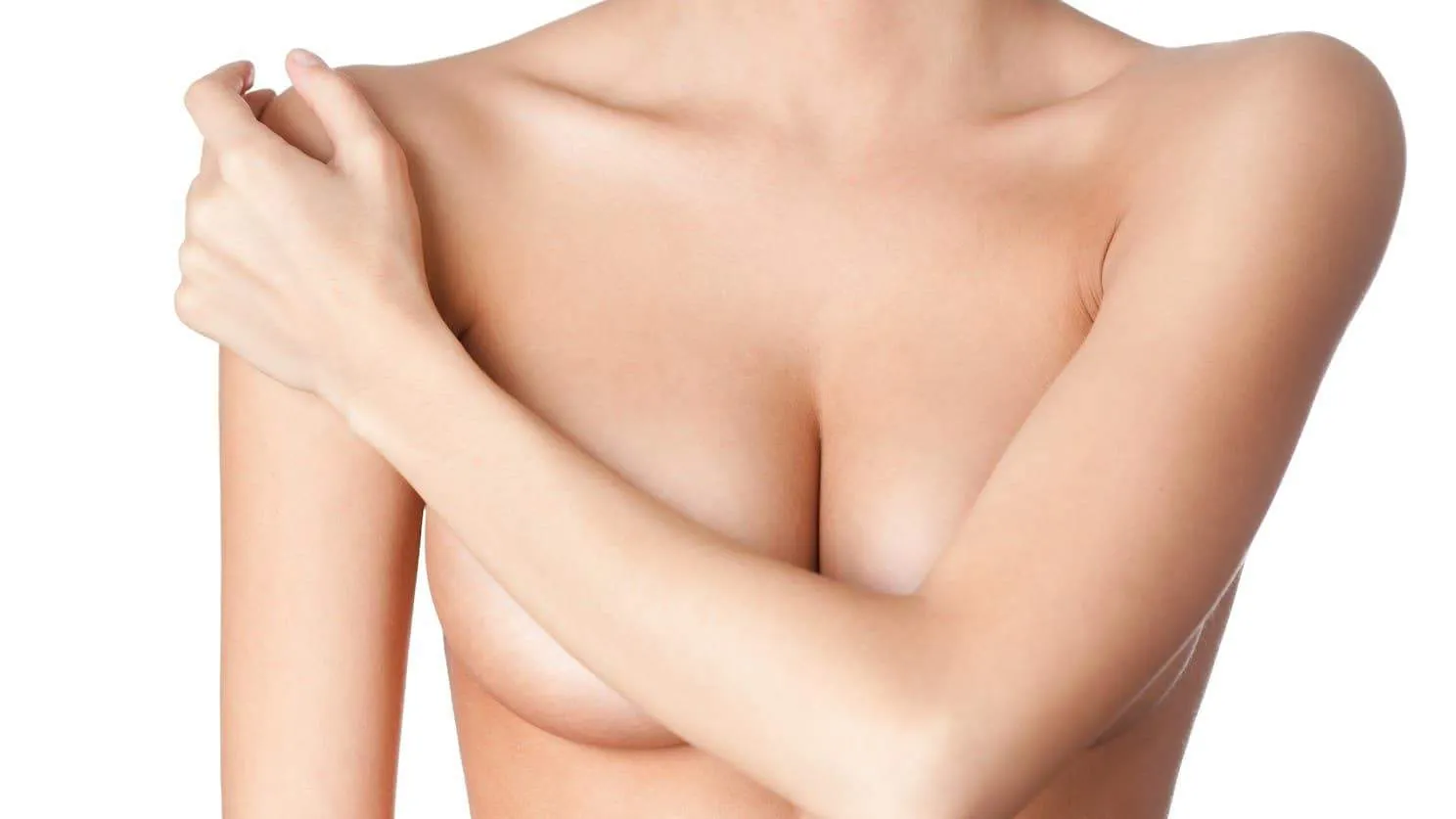

Breast augmentation is one of the most commonly chosen cosmetic procedures worldwide, and many individuals researching breast augmentation in dubai are often most curious about one key factor—how quickly they can return to normal life. Recovery speed is a major concern because it affects work, daily activities, exercise routines, and overall comfort. While everyone heals differently, understanding the typical recovery timeline can help set realistic expectations and reduce anxiety during the healing process.
The good news is that breast augmentation recovery is generally steady and predictable. Most people are able to resume light activities within days, while full recovery unfolds gradually over several weeks as the body adjusts to its new shape.
Understanding the Recovery Timeline
Recovery after breast augmentation happens in stages. Each stage comes with its own physical sensations, limitations, and improvements. Knowing what to expect helps you navigate the healing process with confidence and patience.
First 24–72 Hours: The Initial Healing Phase
The first few days after surgery are usually the most intense. During this period, the body begins repairing tissues and adapting to the changes.
Common experiences include:
- Swelling and tightness in the chest area
- Mild to moderate discomfort
- Reduced arm mobility
- A feeling of pressure as the skin adjusts
Rest is essential during this stage. Most individuals are encouraged to avoid lifting their arms too high or performing any physical strain. Sleep in a slightly elevated position can also help reduce swelling and improve comfort.
First Week: Gradual Stabilization
By the end of the first week, discomfort usually begins to decrease. Many people notice a significant improvement in pain levels and mobility.
During this phase:
- Swelling may still be present but starts to soften
- Bruising may appear but gradually fades
- Light daily tasks become more manageable
- Energy levels slowly return
Most individuals can return to non-strenuous work or routine activities within 5 to 7 days, depending on personal healing speed. However, lifting heavy objects or engaging in exercise is still not recommended.
Weeks 2–4: Noticeable Improvement
This stage marks a major turning point in recovery. The body continues adjusting, and the results start to look more natural as swelling decreases.
Typical changes include:
- Reduced swelling and firmness
- Improved comfort while moving
- Increased range of motion in the arms
- Gradual return to normal routines
Light exercise, such as walking, is often encouraged to support circulation and healing. However, upper-body workouts and high-impact activities should still be avoided.
Full Recovery (6–8 Weeks and Beyond)
Full recovery takes time, even if you feel well earlier. By 6 to 8 weeks, most individuals can resume regular physical activities, including exercise, with caution.
At this stage:
- Swelling is minimal or gone
- The implants begin to settle into their final position
- Breasts feel softer and more natural
- Scars start to fade gradually
It’s important to note that subtle changes can continue for several months as the body fully adapts.
Factors That Influence Recovery Speed
Not everyone heals at the same pace. Several personal and lifestyle factors can affect how quickly recovery progresses.
Individual Health and Body Response
Overall health plays a major role in healing. People with strong immune systems and healthy lifestyles often recover faster and more smoothly.
Age and Skin Elasticity
Younger individuals or those with good skin elasticity may experience quicker adaptation and less prolonged tightness.
Activity Level Before and After Surgery
Those who maintain regular fitness before surgery often recover faster, but overexertion too soon can delay healing. Following activity guidelines is crucial.
Implant Placement and Technique
Different surgical approaches may influence recovery sensations, such as tightness or pressure. However, discomfort typically improves over time regardless of technique.
What to Expect During Healing
Understanding the normal healing symptoms helps distinguish between expected recovery and potential concerns.
Swelling and Tightness
Swelling is one of the most common post-procedure effects. It may make the chest feel firm or high initially, but this gradually softens as the body heals.
Tightness occurs as the skin and tissues adjust to the new volume. This sensation usually improves within a few weeks.
Pain and Discomfort
Discomfort is usually most noticeable in the first few days and is often described as soreness or pressure rather than sharp pain. This improves steadily with rest and proper care.
Implant Settling Process
One of the most important parts of recovery is the “settling” phase. During this time:
- The breasts gradually move into a more natural position
- Swelling decreases evenly
- Shape becomes softer and more balanced
This process can take several weeks to months, depending on the body.
Tips to Support a Smooth Recovery
While healing is natural, certain habits can help speed up the process and improve comfort.
- Get plenty of rest, especially in the early days
- Sleep in a slightly elevated position to reduce swelling
- Avoid heavy lifting and strenuous activity
- Wear supportive garments as advised
- Stay hydrated and eat nutrient-rich foods
- Take short walks to promote circulation
- Avoid smoking and alcohol during recovery
Consistency is key. Following aftercare guidelines helps ensure smoother healing and better long-term results.
When to Seek Attention During Recovery
Although complications are uncommon, it is important to be aware of warning signs during recovery. Pay attention if you experience:
- Severe or worsening pain
- Unusual swelling on one side
- Persistent fever or chills
- Excessive redness or warmth in the chest area
- Fluid leakage or unusual changes
Early attention to these signs helps ensure safe healing and peace of mind.
Final Thoughts
So, how fast is breast augmentation recovery? While initial healing begins within days, full recovery typically takes several weeks as the body gradually adapts and settles into its new shape. Most individuals feel significantly better within the first week, resume normal routines within a few weeks, and enjoy final results after a couple of months.
For anyone exploring breast augmentation in dubai, understanding the recovery journey is just as important as the procedure itself. With patience, proper care, and realistic expectations, the healing process can be smooth, manageable, and ultimately rewarding.




















Sign in to leave a comment.