

A Worcester Bosch boiler that repeatedly loses pressure is rarely something homeowners should ignore. You may top the system back up, only to find the pressure falling again a few days later. In West London homes, the cause can range from a small radiator leak to an expansion vessel or pressure-related component problem. Understanding the warning signs can help you decide when a simple check is enough and when professional diagnosis is needed.
What Pressure Should a Worcester Boiler Normally Show?
For many sealed central-heating systems, the pressure gauge is typically around 1 to 1.5 bar when the system is cold.
Pressure can rise slightly when the heating is running because the water expands as it becomes warmer.
The exact operating range can vary by Worcester Bosch model, so homeowners should always check the manufacturer's instructions for their specific boiler.
A small change in pressure is not necessarily a fault.
The concern begins when the pressure repeatedly falls below its normal level and the boiler needs frequent repressurising.
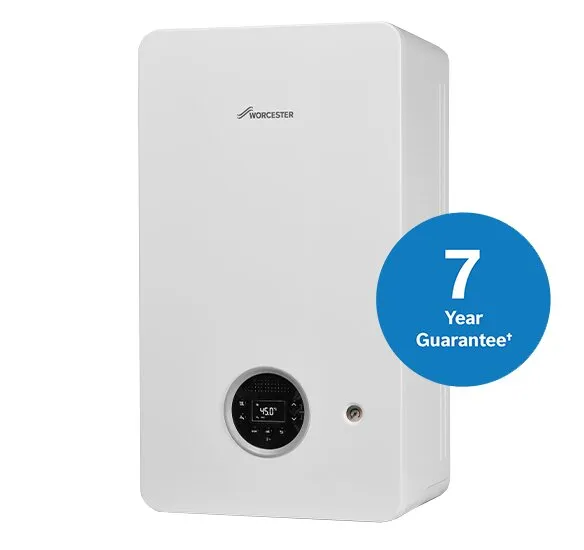
Why Does Worcester Boiler Pressure Keep Falling?
Several different problems can cause pressure loss.
The most common possibilities include:
- Small leaks in radiator valves
- Leaking pipe joints
- A problem with the expansion vessel
- Pressure relief valve discharge
- Air being released from radiators
- Internal boiler leaks
- Recently completed heating work
- A fault elsewhere in the sealed heating system
The important point is that repeatedly adding water does not identify the cause.
If pressure keeps disappearing, the system should be checked.
Check Radiators and Visible Pipework First
One of the simplest checks homeowners can make is looking around accessible radiators and pipework.
Pay particular attention to:
- Radiator valves
- Pipe connections
- Areas beneath radiators
- Towel rails
- Visible heating pipes
A leak does not always create a large puddle.
Sometimes the amount of water escaping is very small.
Signs can include staining, corrosion, damp marks or dried residue around a valve or connection.
Do not dismantle boiler components or gas-related parts yourself.
If the source cannot be identified from a simple visual inspection, a qualified heating engineer should investigate further.
Radiator Bleeding Can Temporarily Lower Pressure
If you have recently bled several radiators, the system pressure may fall.
This happens because air and a small amount of water are released from the heating system.
The boiler may then need to be repressurised according to the manufacturer's instructions.
However, if you regularly need to bleed radiators and repeatedly restore boiler pressure, there may be another issue within the system.
Frequent intervention should not become normal household maintenance.
The Expansion Vessel May Be Involved
A sealed heating system needs space to accommodate the expansion of water as it becomes hot.
The expansion vessel helps manage this change.
If the vessel loses its charge or develops a fault, system pressure may behave unusually.
A homeowner might notice pressure climbing significantly while the heating is running and then falling when the system cools.
In some cases, excess pressure can cause water to discharge through the pressure relief system.
Expansion vessel testing and repair should be carried out by a competent heating professional.
Check Whether Water Is Leaving Through the Pressure Relief Pipe
Another possible sign of a pressure-related fault is water dripping from the boiler's external discharge pipe.
Depending on the installation, this pipe usually terminates outside the property.
Persistent dripping may indicate that the pressure relief valve has operated or is no longer sealing correctly.
This does not automatically mean the valve itself is the original cause.
An expansion vessel or another system problem may have caused excessive pressure first.
This is why replacing parts without proper diagnosis can lead to repeat problems.
Why Continually Repressurising the Boiler Is Not a Long-Term Fix
When boiler pressure drops, homeowners are sometimes tempted to keep topping it up.
Occasional repressurising after maintenance can be normal.
Regular repressurising is different.
Introducing fresh mains water repeatedly can also introduce oxygen and minerals into the heating system.
Over time, this may contribute to corrosion and system contamination.
More importantly, frequent pressure loss means the underlying problem remains unresolved.
A Worcester boiler specialist should identify where the pressure is going before the issue becomes more disruptive.
Could the Boiler Itself Be Leaking?
Yes, although not every pressure-loss problem originates inside the boiler.
Internal components, seals or connections can sometimes leak.
Water may not always be immediately visible because the amount can be small or contained within the appliance.
If there is visible water beneath the boiler, unusual dripping, staining or recurring pressure loss, switch off the system if necessary and arrange professional inspection.
Do not remove the boiler casing.
Work involving the gas appliance should be carried out by an appropriately qualified Gas Safe-registered engineer.
Pressure Problems in Older West London Properties
Heating systems in West London can vary considerably.
Victorian terraces, converted flats, mansion blocks and modern apartments may all contain different combinations of boilers, radiators and existing pipework.
Older systems can sometimes have:
- Ageing radiator valves
- Previous extensions to the heating circuit
- Older pipe joints
- Hidden pipework
- Repeated repairs
- Restricted boiler access
These factors can make pressure-loss diagnosis more complicated.
Worcester Care provides Worcester Bosch boiler repair and servicing across areas including Hammersmith, Fulham, Chiswick, Kensington and Notting Hill, with engineers working specifically on Worcester systems.
When Should You Call a Worcester Boiler Engineer?
Professional diagnosis is advisable when:
- Pressure falls repeatedly
- The boiler regularly shuts down
- Water is visible around the boiler
- The external discharge pipe drips continuously
- Pressure rises unusually high when heating is running
- Radiators require frequent bleeding
- The boiler displays recurring fault codes
- You cannot identify any visible leak
A specialist engineer can test the boiler and heating system rather than relying on repeated resets.
Worcester Care states that its emergency repair service covers common issues including pressure loss, ignition faults, sensors and pump problems, with Gas Safe-registered engineers serving West London.
Why Annual Worcester Boiler Servicing Still Matters
Annual servicing cannot prevent every breakdown, but it gives an engineer an opportunity to assess boiler condition before winter demand increases.
A professional Worcester boiler service can include safety checks, combustion testing, pressure assessment, component inspection and performance checks.
Regular servicing is particularly useful when a boiler has previously suffered from pressure instability or intermittent faults.
It also provides an opportunity to discuss changes in heating performance before they become emergency problems.
Do Not Ignore Pressure Changes Alongside Other Symptoms
Pressure loss becomes more significant when it appears alongside other problems.
Watch for:
- No heating
- No hot water
- Unusual boiler noises
- Frequent lockouts
- Radiators not heating evenly
- Water beneath the boiler
- Repeated fault codes
Several symptoms occurring together can help an engineer identify the source more quickly.
Avoid repeatedly resetting the appliance without understanding why it has stopped operating.
Choosing a Worcester Boiler Specialist
Not every heating fault requires a brand specialist, but experience with Worcester Bosch systems can be helpful when pressure problems are persistent or involve internal components.
Homeowners should look for:
- Gas Safe registration
- Worcester Bosch experience
- Clear fault diagnosis
- Transparent repair recommendations
- Proper safety testing
- Relevant documentation
- Experience with the installed boiler model
For homeowners looking for Worcester boiler repair in West London, Worcester Care focuses specifically on Worcester Bosch systems and provides servicing, fault diagnosis, emergency repair and boiler installation services across West London.
Final Thoughts
A Worcester boiler that loses pressure once may simply need repressurising after maintenance or radiator bleeding.
A boiler that repeatedly loses pressure is different.
Small leaks, expansion vessel problems, pressure relief valve operation or internal faults may all be involved.
The best approach is to observe when the pressure changes, check accessible radiators and pipework for visible leaks, and arrange professional diagnosis if the problem continues.
Repeatedly topping up the boiler may keep it operating temporarily, but it does not repair the reason the pressure is falling.
For persistent Worcester Bosch pressure problems, Worcester Care provides specialist boiler servicing and repair across West London, including Hammersmith, Fulham, Chiswick, Kensington and surrounding areas.
Frequently Asked Questions
Why does my Worcester boiler pressure keep dropping?
Common causes include small heating-system leaks, radiator valves, expansion vessel problems, pressure relief valve discharge or internal boiler faults.
What pressure should my Worcester boiler be at?
Many sealed heating systems operate at approximately 1 to 1.5 bar when cold, although the correct range should be checked in the instructions for your specific boiler model.
Is it safe to keep repressurising a Worcester boiler?
Occasional repressurising may be necessary, particularly after radiator bleeding. If you need to do it repeatedly, the underlying cause should be investigated.
Can bleeding radiators make boiler pressure drop?
Yes. Bleeding radiators releases air and sometimes a small amount of water, which can reduce system pressure.
Can an expansion vessel cause low pressure?
Yes. An expansion vessel problem can cause pressure to rise excessively when hot and then fall again as the system cools.
Why does my boiler pressure rise when the heating comes on?
Some pressure increase is normal as heating water expands. A large increase may indicate an expansion vessel or other system problem.
Should I remove the Worcester boiler casing to look for a leak?
No. Boiler casing and internal gas-appliance components should be inspected by an appropriately qualified professional.
How often should a Worcester Bosch boiler be serviced?
Worcester Care recommends annual servicing to help maintain safe and reliable boiler operation and support applicable manufacturer warranty requirements.
Does Worcester Care provide emergency repairs?
Yes. Worcester Care provides emergency Worcester boiler repair across West London and states that same-day attendance is available subject to engineer availability and the nature of the fault.
Which areas does Worcester Care cover?
Its service pages list West London locations including Hammersmith, Fulham, Chiswick, Kensington, Notting Hill, Shepherd's Bush, Paddington, Acton and surrounding areas.




















Sign in to leave a comment.