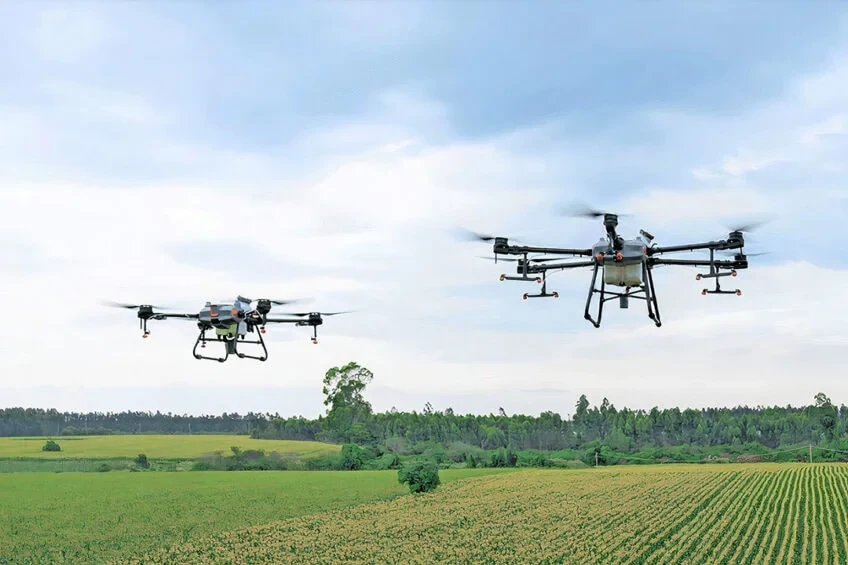
Technology has always pushed farming forward, and the next big leap isn’t on the ground; it’s in the air.
Farming drones are reshaping how fields are managed, offering powerful tools for spraying, mapping, and data collection. But these machines don’t program themselves. To unlock their full potential, operators need more than a controller; they need structured, hands-on training.
That’s where an agriculture drone pilot training course comes in.
Precision Demands Well-Trained Pilots
Modern farming is more data-driven than ever. Farming drones now handle everything from crop scouting to spraying, turning hours of ground work into minutes of aerial efficiency.
But flying over active farmland isn’t as simple as it looks. Wind, terrain, airspace regulations, and real-time problem-solving all come into play.
And while flight skills matter, so does knowing how to manage systems, read sensor data, and keep hardware running smoothly. That’s why structured training is no longer optional; it’s essential for farmers, techs, and agronomists looking to make drones a serious part of their toolkit.
Flight Training That Matches the Machines
A strong pilot training course for agriculture drones goes beyond flight basics. It prepares you to operate in real-world agricultural settings with a full grasp of drone systems and safety. Key modules often include:
- How spray drones work, including tank capacity and nozzle types
- Building and executing optimized flight paths for different crops
- Navigating weather, wind, and field obstacles safely
- Drone maintenance, troubleshooting, and part replacement
- Interpreting sensor data to make agronomic decisions
Many programs also introduce students to professional-grade platforms used in the industry. That includes drones like the Vector HD580 and XAG P150, machines known for their durability, efficiency, and performance in demanding field conditions.
Vector vs. XAG: What Sets Them Apart
Understanding the differences between leading drone systems helps future pilots choose the right tool for the job.
The XAG P150 is designed for speed and volume. With a high spray capacity, farm drone sprayer cost, automation features, and rapid deployment, it’s built for large-scale operations where every minute counts.
The Vector HD580, available in North America, is built for flexibility and ease of use. It thrives in medium-to-large sized fields and rugged terrain, thanks to its terrain-following sensors and modular design. Its adaptability makes it ideal for mixed operations where conditions change fast and tools need to keep up.
Learning how drones like these operate gives new pilots the ability to evaluate performance based on acreage, terrain, and crop type, ensuring they’re ready to make smart, field-tested decisions from day one.
Certification: The Legal Flight Path
In the U.S., operating drones commercially—especially for spraying—requires certification. Most agriculture drone pilot training courses help students navigate FAA Part 107 requirements and, when applicable, Part 137 for aerial applications.
Understanding airspace regulations, safety protocols, and certification pathways ensures you're not just flying legally, you're flying professionally.
Meeting the Demand for Skilled Drone Operators
As farms become more automated, there’s growing demand for trained operators who can manage, troubleshoot, and deploy drones with confidence. Whether you're a farmer adopting new tools, a consultant supporting agribusiness clients, or a technician looking to upskill, formal drone training provides a foundation for long-term success in precision agriculture.
Final Thoughts: Technology is Only as Powerful as Its Pilot
Understanding how to operate advanced systems like the Vector HD580 and XAG P150 isn’t just part of the learning curve; it’s how modern ag operators stay ahead.
At the end of the day, an agriculture drone pilot training course is an investment in a smarter, more resilient farm operation. Because the sky isn’t the limit. It’s the next step.

























Sign in to leave a comment.