Bilingual education doesn’t begin in the classroom; it starts at home, on a parent’s lap, with the turn of a page. For children growing up in households where Spanish is spoken, learning English can feel like stepping into a whole new world. That’s where bilingual picture books come in. These aren’t just stories; they’re bridges. They gently guide young minds across languages, boosting vocabulary, building cultural pride, and nurturing curiosity.
But not all bilingual books are created equal. For families exploring bilingual children’s books to support English acquisition, primarily through Spanish, finding the right children’s Spanish book can make all the difference.
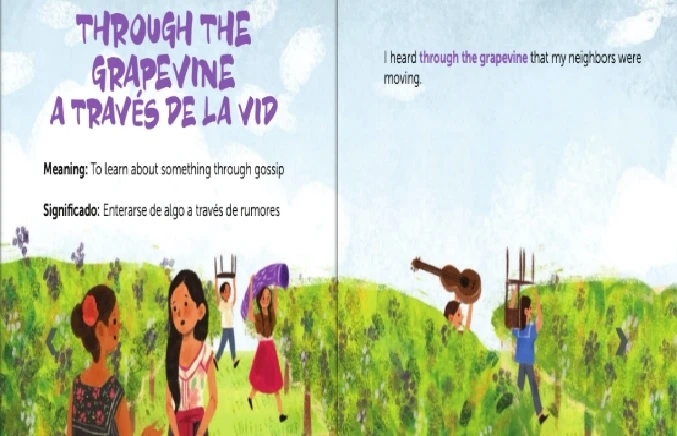
Picture-Perfect Learning: Why Visuals Matter
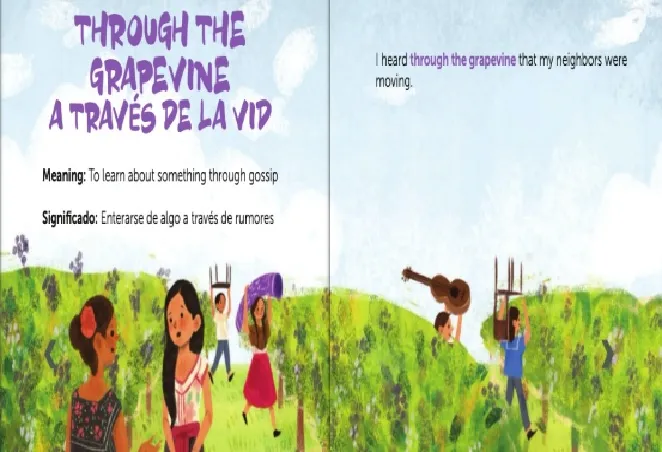
One of the most essential qualities of a great bilingual book is its use of illustration. Children process visuals faster than text, especially when they’re navigating two languages. A good picture book doesn’t just support the story; it enhances comprehension. It allows kids to make sense of new vocabulary through context and imagery.
This is especially vital when the goal is English learning for Spanish-speaking children. When the visuals align with the storyline, and the dual-language text is clearly displayed side by side, learning becomes natural and enjoyable.
The Power of Parallel Text: Side-by-Side Language Exposure
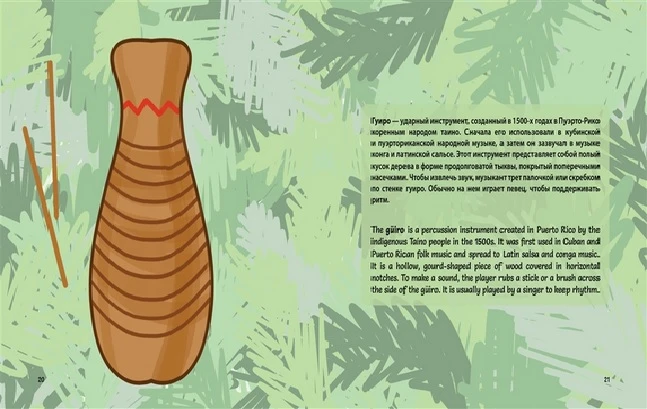
Dual language books that place English and the home language side by side allow children to make instant connections. This structure lets young readers absorb vocabulary without feeling overwhelmed. They can see how a sentence in English compares to one in their native language, helping them decode patterns, build grammar awareness, and grow in confidence.
For families choosing bilingual children’s books in Spanish and English, this side-by-side approach is compelling. It supports understanding not only of a new language but also of how languages function in relation to each other.
Confidence Through Connection
Learning a second language can be intimidating, especially for kids. Bilingual picture books do more than teach words; they show children that their home language has value and worth. Seeing both their native language and English in one book affirms their identity and strengthens their emotional connection to the learning process.
Parents of Spanish-speaking children can choose dual language books that represent characters from a range of cultures, allowing kids to feel seen and supported. For many children, especially those new to English, the right children’s book in Spanish becomes a friend and a mentor in their language journey.
Stories That Reflect Today’s World
The most impactful bilingual books include both contemporary stories and thoughtfully adapted folktales, offering children narratives that feel engaging, relevant, and culturally meaningful.
For parents, this means choosing bilingual books that reflect the world children live in now. A diverse cast of characters and everyday settings make learning more engaging, encouraging children to see their own lives reflected in the pages.
Accessible for Families, Effective for Teachers
Another trait of a strong Spanish book is accessibility. These books aren’t just for bedtime; they’re tools that can be used in classrooms, community centers, and ESL programs. They support early literacy by aligning with developmental reading stages while also offering practical help for parents who may not speak English fluently themselves.
Educators benefit too. Dual-language books serve as a bridge between home and school, fostering inclusivity and helping teachers connect with students from multilingual backgrounds.
Quality Over Quantity: Why Not All Books Make the Cut
It’s easy to assume any book with two languages qualifies as a great bilingual resource. But poor translations, culturally irrelevant themes, and awkward formatting can turn a good idea into a frustrating experience. That’s why quality matters especially when a child is relying on that book to build foundational language skills.
Avoid books that were simply translated without thoughtful adaptation. A well-crafted bilingual picture book is intentionally designed for language development, not just language exposure.
The Final Word on Finding the Right Book
Selecting a dual language book is about more than just learning English; it’s about nurturing confidence, identity, and a love for reading. The children’s Spanish book you choose can spark a lifelong journey of learning and self-expression.
By selecting bilingual children’s books that are thoughtfully designed, visually rich, and culturally relevant, you empower your child to thrive in both languages. And when those books include carefully translated Spanish alongside English, whether through modern stories or timeless folktales, you give children a fresh and meaningful way to connect with both languages.
If you’re looking for bilingual children’s books, including children’s Spanish books that follow these principles, companies like Language Lizard offer curated collections made just for families like yours, where every word opens a new world.






















Sign in to leave a comment.