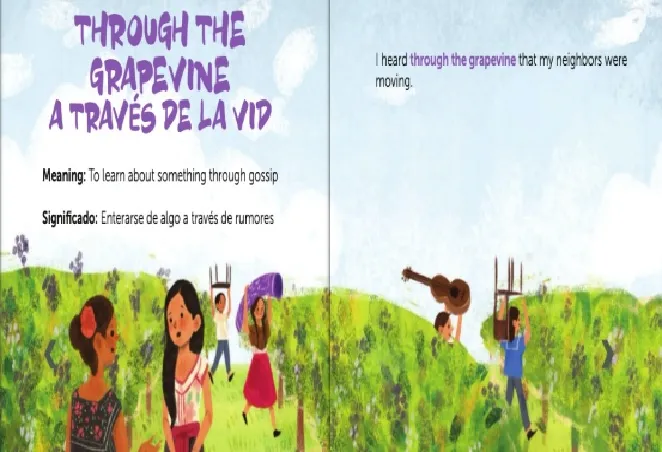
Today’s classrooms are more diverse than ever, bringing together children from different linguistic and cultural backgrounds. Educators are no longer relying on one-size-fits-all teaching methods. Instead, they are embracing tools that celebrate diversity while supporting language development. One of the most effective resources gaining attention is bilingual literature designed specifically for young learners. These books not only teach language but also build confidence, inclusion, and identity in students navigating multiple cultures at once.
Among these resources, Spanish-English books stand out as a powerful bridge between home language and school learning, helping children feel seen as they develop essential English skills.
Why Bilingual Books Matter More Than Ever
Educators recognize that language learning is deeply connected to emotional comfort and cultural familiarity. When children see their native language alongside English, they feel reassured and more willing to participate.
Key Benefits Teachers Highlight:
- Boosts confidence: Children feel less intimidated when they understand part of the content.
- Supports dual-language development: Reinforces both English and the home language.
- Encourages participation: Students engage more when content feels relatable.
- Builds cultural pride: Representation matters in early education.
Bilingual books, especially thoughtfully designed Spanish Books, make a classroom environment where every child feels valued.
How These Books Improve Literacy Skills
Learning to read in a second language can be challenging. However, dual-language books simplify this process by offering familiar linguistic anchors.
How They Help:
| Skill Area | Impact of Bilingual Books |
| Vocabulary Building | Reinforces word recognition in both languages |
| Reading Comprehension | Improves understanding through context comparison |
| Pronunciation | Encourages correct language patterns |
| Cognitive Development | Enhances problem-solving and memory skills |
Teachers often note that students using bilingual children’s books progress faster because they are not starting from zero. Instead, they are building on what they already know.
Making Learning Engaging And Fun
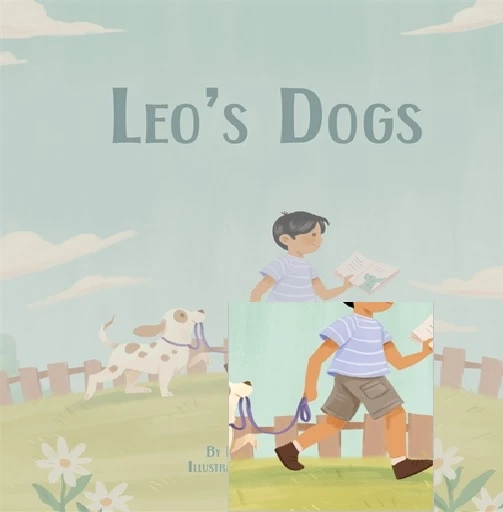
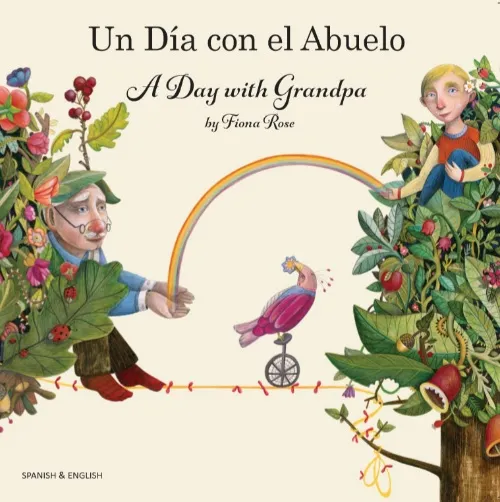
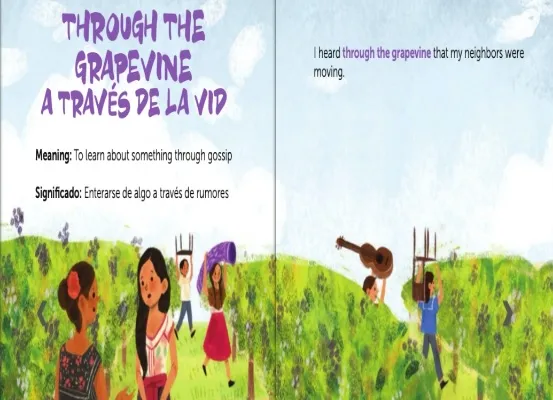
Young learners respond best to visually appealing and interactive content. Bilingual books often feature colorful illustrations, simple text, and relatable themes.
What Makes Them Engaging:
- Bright, multicultural illustrations that reflect real-world diversity
- Simple, repetitive language structures that reinforce learning
- Stories centered around kindness, friendship, and identity
- Interactive elements like read-aloud options or activities
This combination transforms language learning into an enjoyable experience rather than a task. Children begin associating English with fun, not frustration.
Supporting Teachers In Multilingual Classrooms
Educators are constantly balancing different learning needs. Bilingual books provide a flexible tool that works across various teaching strategies.
Practical Classroom Uses:
- Group reading sessions to encourage shared learning
- Independent reading for confidence-building
- Language comparison exercises to deepen understanding
- Cultural discussions that promote inclusivity
Additionally, many bilingual books come with supplemental teaching materials, making lesson planning easier and more effective.
Building Identity And Belonging
One of the most overlooked aspects of education is emotional connection. Children who feel disconnected from their learning environment often struggle academically.
Bilingual books help solve this by:
- Reflecting students’ cultural backgrounds
- Validating their home language
- Encouraging pride in their identity
When children see themselves represented in stories, they become more motivated to learn and participate. This emotional connection plays a crucial part in long-term academic success.
A Simple Yet Powerful Tool For Parents Too
The benefits of bilingual books extend beyond the classroom. Parents also find them incredibly useful at home.
How Families Benefit:
- Parents can read along even if they are not fluent in English
- Children practice language skills in a comfortable environment
- Strengthens parent-child bonding through shared reading
This creates a consistent learning experience between school and home, reinforcing progress in a natural and supportive way.
What Makes Certain Bilingual Books Stand Out
Not all bilingual books are created equal. Educators often look for specific qualities when selecting the best resources.
Key Features To Look For:
- Clear and accurate translations
- Age-appropriate language
- Inclusive and diverse storytelling
- Supporting materials like activities or lesson guides
Books that focus on real-life themes such as kindness, friendship, and community tend to resonate the most with young learners.
Conclusion: Why Educators Continue To Choose Bilingual Learning Tools
With the increase of multilingual classrooms, educators are focusing on resources that enhance both language acquisition and emotional health. Spanish-English books are more than mere reading materials; they serve as tools that empower children, assist teachers, and link families together.
By combining engaging visuals, simple language, and meaningful stories, these books make learning accessible and enjoyable. They help children build confidence, strengthen literacy skills, and embrace their cultural identity without feeling left behind.
In today’s educational landscape, bilingual books are not just helpful; they are essential. They represent a shift toward inclusive, effective teaching that meets children where they are and helps them grow.
A great example of this approach is thoughtfully designed bilingual collections, such as those offered by Language Lizard, which focus on diversity, kindness, and real classroom needs.


























Sign in to leave a comment.