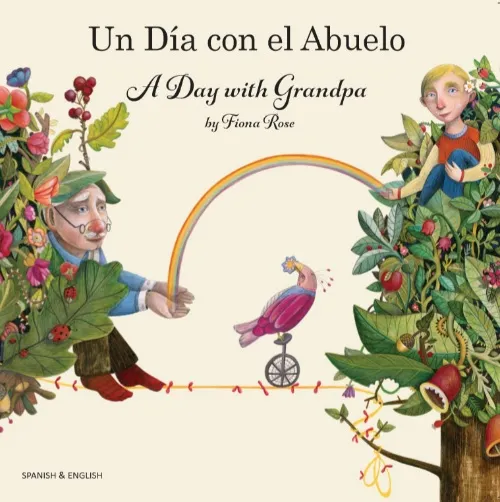
Early childhood is a powerful window for language development, and the books children encounter during this time can shape not only how they learn, but how they see themselves. For children growing up in multilingual households, access to thoughtful, well-designed bilingual materials can bridge the gap between home and school. Spanish bilingual children’s books, in particular, offer a gentle and engaging way for young learners to build English skills while still honoring the language spoken at home.
When stories present familiar experiences alongside new vocabulary, children feel more confident exploring both languages. This balance supports both emotional security and academic growth. For families and educators seeking resources that nurture both literacy and cultural pride, Spanish-language children’s books offer an effective and meaningful solution.
Building Literacy Through Dual Language Learning
Learning to read is not just about recognizing words. It is about understanding meaning, building connections, and gaining confidence. Dual language books allow children to see English and Spanish side by side, making it easier to grasp new vocabulary without feeling overwhelmed.
By pairing languages within the same story, children can rely on their native language to support comprehension. This reduces frustration and encourages independent reading. Over time, this method strengthens both languages rather than replacing one with the other.
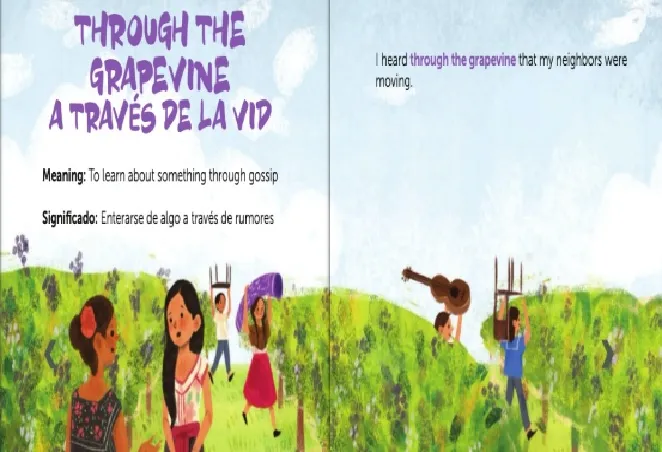
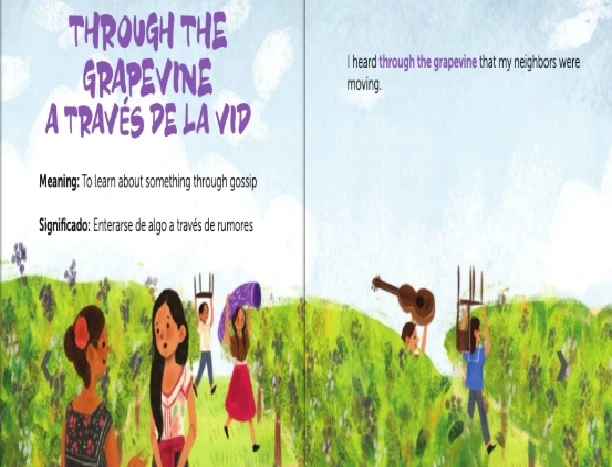
Additionally, bilingual picture books often include repetition, visual cues, and engaging illustrations. These elements reinforce comprehension and help children associate words with images and experiences. For early learners, this combination creates a strong foundation for long-term literacy success.
Encouraging Cultural Awareness in Everyday Learning
Books are one of the first ways children explore the world beyond their immediate surroundings. When stories reflect diverse cultures, traditions, and perspectives, children develop empathy and curiosity. Spanish bilingual children’s books introduce cultural elements naturally through characters, settings, and everyday experiences.
Rather than focusing on folklore or distant traditions, many modern bilingual books highlight relatable themes such as family, school, and friendship. This approach helps children connect emotionally while also learning about cultural diversity.
For children who speak another language at home, seeing their culture represented in books validates their identity. It sends a clear message that their language and experiences are valuable. For English-speaking peers, these books open the door to understanding and appreciation, helping to create inclusive classroom environments.
Supporting Teachers and Parents with Practical Tools
Educators and parents often look for resources that are both educational and easy to use. A well-designed bilingual book collection can provide more than just stories. It can include lesson plans, literacy games, and activities that make learning interactive and enjoyable.
In classrooms, these resources help teachers build culturally responsive teaching strategies. They can introduce vocabulary, encourage group discussions, and create activities that involve both languages. For homeschooling parents, bilingual books offer a structured yet flexible way to support English language development.
Tools such as audio pens or guided reading features can further enhance the experience. By allowing children to hear pronunciation and follow along, these tools support auditory learning and build confidence in speaking.
Creating Inclusive and Welcoming Learning Environments
In diverse communities, classrooms often include children from many linguistic backgrounds. Bilingual books play a key role in making these environments more inclusive. When children see their language represented, they feel recognized and respected.
This inclusivity also strengthens communication between schools and families. Parents who may not be fluent in English can still engage with their child’s learning through bilingual materials. This connection fosters collaboration and encourages a more supportive educational experience.
Beyond academics, bilingual books help children develop a sense of belonging. They learn that differences are not barriers but strengths that enrich their community.
A Smart Investment in Early Education
Choosing the right learning materials can make a lasting difference in a child’s educational journey. Spanish bilingual children’s books combine language development, cultural awareness, and emotional connection in one resource.
Collections that include multiple picture books along with teacher guides and activities offer even greater value. They provide a complete toolkit for supporting young learners at home or in the classroom. By integrating storytelling with interactive learning, these resources keep children engaged while building essential skills.
Conclusion: Lasting Benefits Beyond the Classroom
The impact of bilingual reading extends far beyond early education. Children who grow up with access to dual language materials often develop stronger communication skills, greater cultural awareness, and increased confidence in their identity. These benefits continue to shape their academic and personal growth over time.
For families and educators, investing in Spanish-language children’s books is not just about language learning. It is about creating meaningful connections between home and school, supporting diverse learners, and building inclusive communities. These books provide children with the tools they need to succeed while honoring who they are.
As more classrooms and homes embrace bilingual education, the demand for thoughtful, high-quality resources continues to grow. Choosing Spanish books that are carefully designed for young learners ensures that children receive both educational value and cultural support. Providers such as Language Lizard exemplify how curated bilingual collections can bring together literacy, diversity, and engagement in ways that truly benefit every child.



























Sign in to leave a comment.