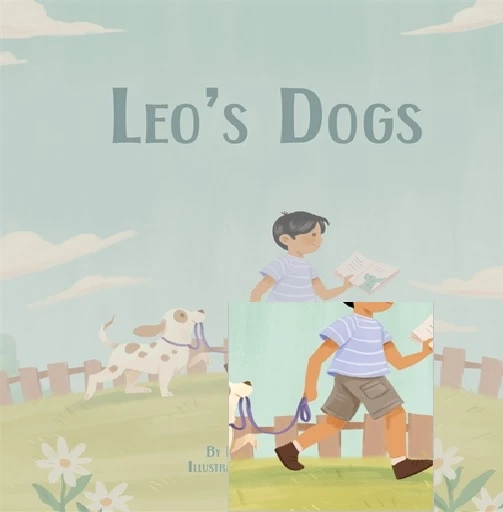
When your child speaks one language at home and steps into an English-speaking classroom each morning, the world can feel both exciting and overwhelming. You want them to succeed, to feel confident raising their hand, and to see their identity reflected in what they read. Books play a powerful role in shaping how children understand themselves and others. Stories and non-fiction texts can open windows to distant places, introduce new ideas, and gently build language skills at the same time. This is exactly where children’s diversity books begin to shine.
For families raising bilingual or multilingual children, the right book does more than tell a story. It validates the language spoken at the dinner table while supporting English development in a natural, joyful way. Instead of feeling that one language must replace another, children discover that both can grow side by side.
Curiosity Begins With Recognition
Children are naturally curious about the world. They ask questions about animals, landscapes, weather, and people from different countries. When they see these topics presented in both English and their home language, their curiosity deepens rather than shrinks.
Bilingual picture books that explore real-world topics such as rainforests, deserts, and polar regions help children connect science learning with language learning. When a child reads about habitats in two languages, they are not just memorizing vocabulary. They are building understanding. They learn that the words for ocean, forest, and mountain have meaning in both languages. This dual exposure strengthens comprehension and reinforces confidence.
For a child who may hesitate to speak English in class, recognizing familiar words from home can be comforting. That comfort becomes courage. Courage leads to participation. Participation leads to growth.
Learning English Without Losing Home
Many parents quietly worry that as their children improve in English, they might drift away from their home language. The beauty of thoughtfully created bilingual picture books is that they remove this fear. Instead of choosing one language over the other, children move fluidly between both.
In classrooms and living rooms alike, parents can read a page in English and then in their home language. Children begin to notice patterns, sentence structures, and shared meanings. They compare words. They ask questions. This process strengthens literacy skills in both languages at once.
Teachers also benefit. A well-designed bilingual science book about world habitats, for example, allows educators to include English learners without simplifying the content. Students can access grade-level ideas while using their strongest language as a bridge. This inclusive approach fosters pride rather than frustration.
Exploring The Planet Through The 3 Habitat Books Set
Imagine your child discovering the Arctic, the rainforest, and the desert through vibrant illustrations and simple, engaging text. The 3 Habitat Books Set introduces young readers to three fascinating biomes of our planet in a way that feels accessible and exciting.
Because the text appears in English alongside the home language, children can immediately connect new English vocabulary with words they already understand. The structure is clear. The sentences are approachable. The visuals support comprehension. This combination makes science less intimidating and far more engaging.
For families searching for the best bilingual books for language learners, this kind of set offers practical value. It is not a novel or a long chapter book that may feel overwhelming. It is a carefully crafted picture book series designed for young readers, building English skills while honoring their first language.
Even more powerful is the availability of many bilingual editions. With over 60 language options, families speaking Arabic, Spanish, Chinese, Ukrainian, Korean, and many others can find an edition that reflects their home. This accessibility strengthens the connection between school and home, helping parents feel involved in their child’s academic journey.
Building Identity Through Knowledge
Children thrive when they see that their language is not a barrier but a strength. When a child reads about the Amazon rainforest in both English and their home language, they experience something subtle but important. They understand that knowledge belongs to them in both languages.
This experience builds identity. It tells them that being bilingual is valuable. It shows them that their culture and language deserve space in the classroom. Over time, this message shapes self-esteem.
Bilingual non-fiction books about global habitats also nurture empathy. As children learn how animals adapt to extreme climates or how ecosystems depend on balance, they begin to see the interconnectedness of the world. Language learning becomes part of a bigger story about understanding and respecting diversity in nature and in people.
Practical Support For Parents And Teachers
Parents often ask how they can support English learning at home without becoming language experts themselves. The answer is simpler than it seems. Read together. Talk about the pictures. Compare words. Ask your child to explain what they understood in either language.
Interactive audio resources and free teaching materials can further strengthen this process. Listening to fluent English while following along in both languages reinforces pronunciation and comprehension. Teachers can use the same books in science and language lessons, creating consistency between home and school.
The key is choosing materials that are intentionally designed for bilingual learners. Books that are originally written in clear English and then thoughtfully translated align in meaning and structure. This alignment reduces confusion and increases confidence.
A Future Shaped By Confident Readers
When you place meaningful bilingual books into your child’s hands, you are doing more than supporting homework. You are shaping how they see themselves in a global world. You are showing them that their home language is an asset. You are proving that English can be learned without erasing identity.
Over time, children’s diversity books help transform uncertainty into curiosity and hesitation into pride. They encourage children to explore science, geography, and culture while standing firmly in who they are. In homes and classrooms where children’s diversity books are valued, learning becomes inclusive and joyful rather than stressful.
If you are looking for a resource that brings together global exploration, bilingual support, and beautifully illustrated science content, consider a trusted publisher specializing in dual-language picture books, such as Language Lizard.




























Sign in to leave a comment.