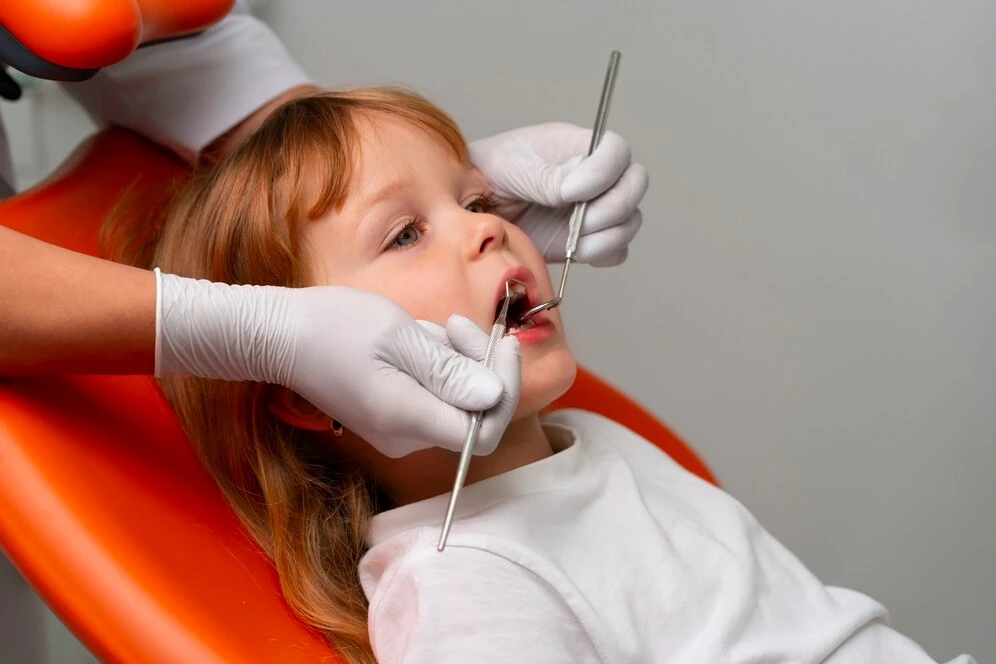

When it comes to our children’s health, we often prioritize vaccinations, nutrition, and physical activity, yet the importance of dental health can slip through the cracks. This oversight can lead to significant implications, not only for the immediate well-being of a child but also for their long-term health and development. Early visits to a pediatric dentist are paramount for fostering a positive attitude towards dental care and ensuring that children have the best chance at a lifetime of healthy smiles.
The Foundation of Dental Health
The early years of a child’s life, particularly during infancy and toddlerhood, are crucial for establishing a solid foundation for dental health. Pediatric dentists are specifically trained to address the unique dental needs of children, which differ significantly from those of adults. During these formative years, a pediatric dentist can identify potential issues such as tooth decay or misalignment before they escalate into more serious problems.
Establishing a dental home early on allows for preventative measures to be put in place, including fluoride treatments and dental sealants. These interventions can dramatically reduce the risk of cavities, which are one of the most common chronic diseases in children. Moreover, early visits enable dental professionals to provide tailored advice to parents on proper oral hygiene practices, dietary choices, and habits that can affect dental health, such as thumb-sucking or bottle use beyond infancy.
Building Positive Associations with Dental Care
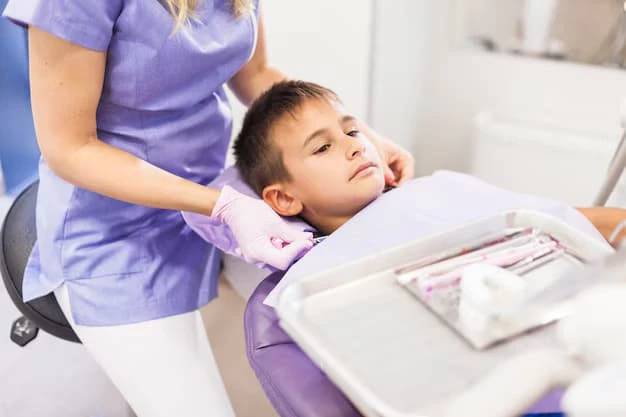
Their first experiences often shape a child’s perception of dental visits. When children visit a pediatric dentist early, they are introduced to the dental environment in a friendly and welcoming setting. Pediatric dentists are adept at using child-friendly language and techniques that make the experience less intimidating. By creating a positive first impression, children are more likely to feel comfortable during future visits.
This early exposure is critical as it helps to alleviate fears and anxieties associated with dental care. Children who have positive associations with their dentist are more likely to maintain regular dental check-ups as they grow up, which is essential for ongoing oral health. In contrast, negative experiences can lead to dental anxiety, making it challenging for parents to ensure their children receive necessary care as they age.
Monitoring Development and Addressing Concerns
Another significant benefit of early visits to a pediatric dentist is the ability to monitor the development of a child’s teeth and jaws. Pediatric dentists are trained to recognize standard growth patterns and can identify potential issues such as malocclusion or other orthodontic concerns early on. Early intervention can often save time, money, and discomfort in the long run.
For instance, if a pediatric dentist determines that a child is likely to develop orthodontic issues, they can recommend preventive measures such as space maintainers or early orthodontic evaluations. This proactive approach not only helps in correcting potential problems but can also enhance the aesthetic appeal of a child’s smile, boosting their self-esteem as they grow.
Parents often have questions about oral hygiene practices, teething, or the eruption of baby teeth. Pediatric dentists provide invaluable guidance on these topics, ensuring that parents are equipped with the knowledge they need to care for their child’s dental health. This partnership between parents and dentists is vital, as it fosters an environment where children can thrive and develop healthy habits.
The Role of Nutrition in Dental Health
Nutrition plays a pivotal role in a child’s dental health, and pediatric dentists are well-versed in the dietary factors that can influence oral hygiene. During early visits, dentists can offer insights into the best foods for healthy teeth and gums. They can also educate parents on how to minimize the consumption of sugary snacks and beverages, which are significant contributors to tooth decay.
Furthermore, pediatric dentists can discuss the importance of calcium and vitamin D in a child’s diet, emphasizing that these nutrients are crucial for maintaining strong teeth and bones. By incorporating this nutritional education into their practice, pediatric dentists empower families to make informed choices that promote better dental health.
Long-Term Health Benefits
The repercussions of poor dental health during childhood can extend far beyond the mouth. Research has shown a strong correlation between oral health and overall health. Conditions such as obesity, diabetes, and heart disease have been linked to poor dental hygiene. By ensuring that children receive regular dental check-ups and maintain good oral health practices, parents are investing in their children’s long-term health.
Additionally, there is a connection between oral health and academic performance. Children experiencing dental pain or oral health issues may struggle to concentrate in school, resulting in reduced academic performance. By prioritizing visits to a pediatric dentist, parents are not only addressing their child's dental needs; they are also laying the groundwork for their child’s academic achievements and future success.
A Lifelong Commitment to Dental Care
Establishing a relationship with a pediatric dentist sets the stage for a lifelong commitment to oral health and dental care. Children who learn the importance of oral hygiene and routine check-ups from an early age are more likely to carry these habits into adulthood. This commitment can significantly reduce the likelihood of serious dental issues later in life, ultimately leading to fewer dental procedures and a more positive experience at the dentist’s office.
Moreover, as children transition into adulthood, those early visits instill a sense of responsibility towards their health. They become more aware of the importance of maintaining their dental health, which can lead to better choices regarding oral hygiene, nutrition, and regular check-ups.
Summary
In summary, the importance of early visits to a pediatric dentist cannot be overstated. These visits lay the groundwork for a lifetime of dental health, helping to prevent issues before they arise, building positive associations with dental care, and equipping parents with the knowledge they need to support their child’s oral hygiene. By investing in early dental care, parents not only prioritize their child’s health but also foster a positive attitude toward dental visits that will benefit them for years to come. The journey towards a healthy smile begins with those first visits, making it a vital step in ensuring children enjoy a lifetime of beautiful and healthy teeth.

























Sign in to leave a comment.