Small teams rarely struggle with ideas or intent. What usually slows them down is coordination. When a handful of people are handling multiple roles, even simple tasks can become difficult to track. Work gets scattered across emails, chats, and personal notes. Over time, this creates confusion, missed deadlines, and repeated effort.
What many teams need is not more effort, but better structure. A simple system that brings tasks, timelines, and responsibilities into one place can make daily work more predictable and easier to manage. With the right approach, even a small team can stay organized and consistent without adding complexity to their workflow.
Why Structure Matters More Than Tools
In small teams, work often moves quickly but without a fixed process. Tasks are assigned informally, updates are shared in fragments, and priorities keep shifting. While this flexibility can help in the early stages, it also creates gaps.
A structured approach does not mean rigid processes. It simply means having clarity on what needs to be done, who is responsible, and when it should be completed. This is where free task management software fits naturally into daily work. It supports structure without adding financial pressure.

Moving Away from Scattered Work
Many teams rely on a mix of communication channels to manage tasks. A message in a chat application, an email reminder, or a quick verbal update becomes the way work is tracked. The problem is not the tools themselves, but the lack of a single reference point.
When tasks are not centralized, it becomes difficult to track progress. Team members may miss updates or duplicate work. Over time, this affects both efficiency and accountability.
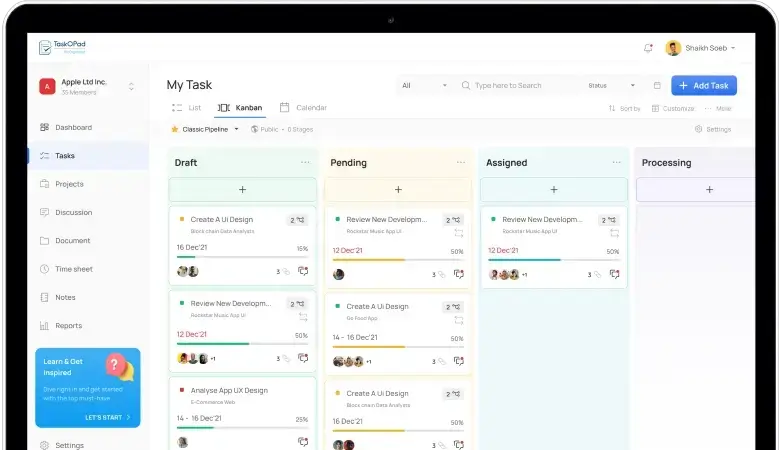
Using free task management software helps bring all tasks into one place. Instead of searching across different platforms, teams can refer to a single system where everything is recorded and updated.
Improving Clarity Without Increasing Complexity
Small teams do not need complex systems. They need clarity. A clear view of tasks, deadlines, and responsibilities reduces confusion and improves decision-making.
With free task management software, teams can assign tasks directly to individuals, set timelines, and track progress without additional effort. This visibility makes it easier to understand the current status of work at any point in time.
It also reduces the need for constant follow-ups. When information is visible, communication becomes more focused and purposeful.
Supporting Better Time Management
Time is one of the most limited resources in any small team. Without proper tracking, tasks often take longer than expected or get delayed due to unclear priorities.
A structured system allows teams to plan their work more realistically. Tasks can be broken down into smaller steps, deadlines can be set clearly, and workloads can be balanced across team members.
By using free task management software, teams gain better control over how time is allocated. This leads to fewer last-minute changes and more consistent output.
Making Collaboration More Transparent
Collaboration in small teams is often informal. While this creates a comfortable working environment, it can also lead to missed information. Not every update reaches every team member, and decisions may not always be documented.
When tasks and updates are recorded in a shared system, collaboration becomes more transparent. Everyone involved can see what has been done, what is pending, and what needs attention next.
This is another area where free task management software proves useful. It allows teams to work together without depending entirely on conversations or memory.
Reducing Operational Friction
Operational friction usually shows up in small ways. A missed deadline, a forgotten task, or a delayed response may seem minor, but over time these issues add up.
A structured task system reduces these small inefficiencies. It ensures that tasks are not lost, responsibilities are clear, and updates are easy to track.
For small teams, this can make a noticeable difference. Work becomes smoother, and less time is spent on resolving confusion.

Adapting as the Team Grows
As teams grow, the way they manage work also needs to change. What worked for three people may not work for ten. Without a system in place, scaling operations becomes difficult.
Starting with free task management software allows teams to build a habit of structured work early on. It creates a foundation that can support growth without requiring major changes later.
Even if the team decides to move to advanced tools in the future, the basic process remains the same.
Keeping the Workflow Simple
One of the reasons small teams hesitate to adopt new tools is the fear of complexity. However, most free tools are designed to be simple and easy to use.
The goal is not to change how teams work, but to organise it better. A simple workflow, where tasks are created, assigned, and tracked, is often enough to improve efficiency.
When used correctly, the system supports the team without becoming an additional burden.
Conclusion
Small teams work best when they can focus on execution instead of coordination issues. A clear and organized approach to task management reduces confusion, improves accountability, and helps teams stay consistent.
A simple system can go a long way in improving daily operations. By bringing tasks into one place, teams can manage their work with more clarity and less effort.
The software by TaskOPad Solutions Private Limited support this approach by helping teams maintain structure and consistency as they grow.





























Sign in to leave a comment.