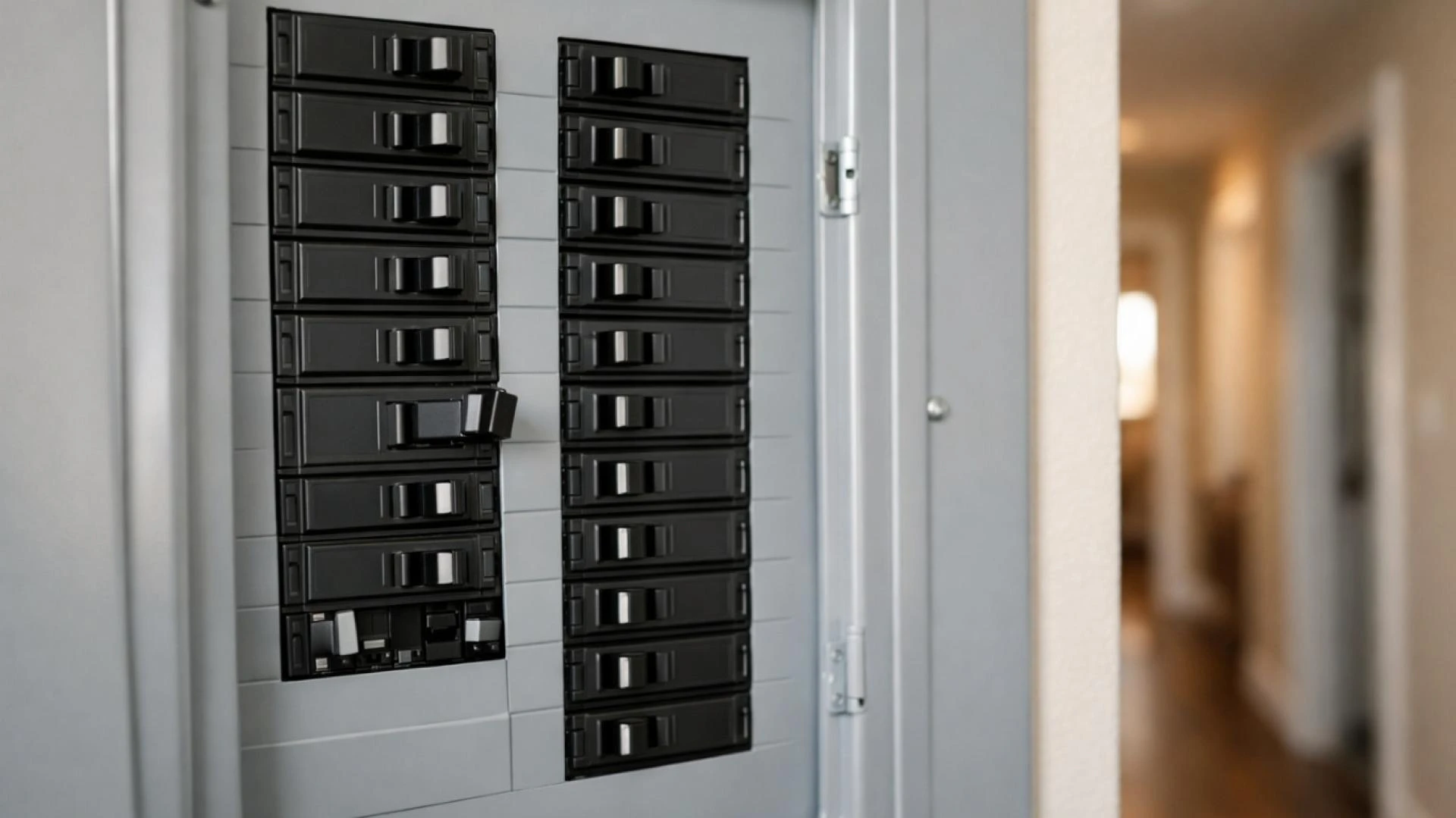

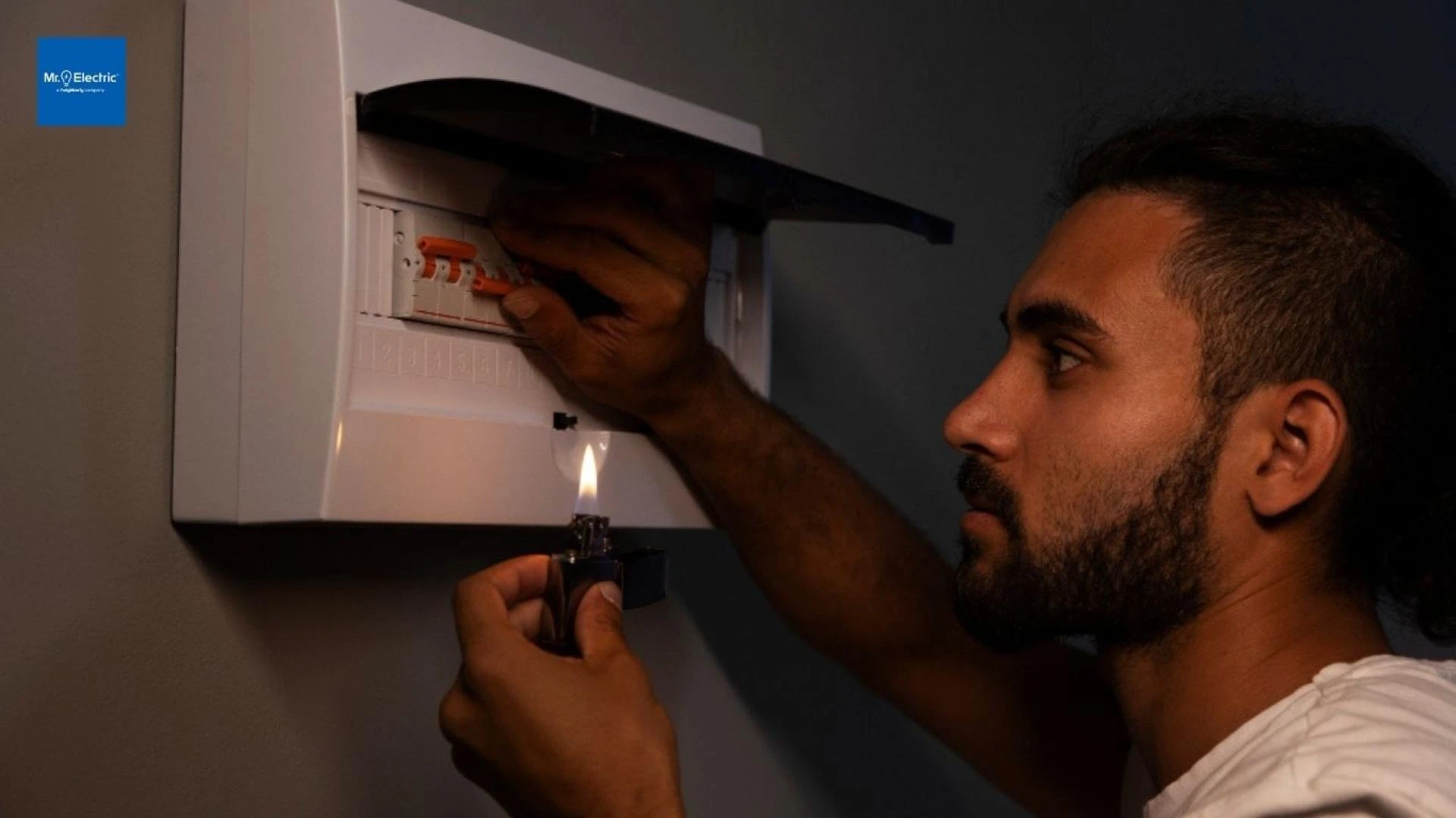
A circuit breaker that trips once in a while can feel like a small inconvenience. But when it happens often, it’s rarely “nothing.” Frequent trips are your electrical system’s way of warning you about hidden risks that can escalate fast. Homeowners searching for answers often turn to an electrician in Duncanville residents trust because recurring breaker issues usually point to deeper problems that deserve attention—not resets.
What a Circuit Breaker Is Actually Protecting You From
Circuit breakers are safety devices designed to cut power when something isn’t right. They respond to:
- Overloads (too much demand on a circuit)
- Short circuits (wires touching where they shouldn’t)
- Ground faults (electricity escaping its intended path)
When a breaker trips repeatedly, it means one of these dangers is happening again and again—not just once.
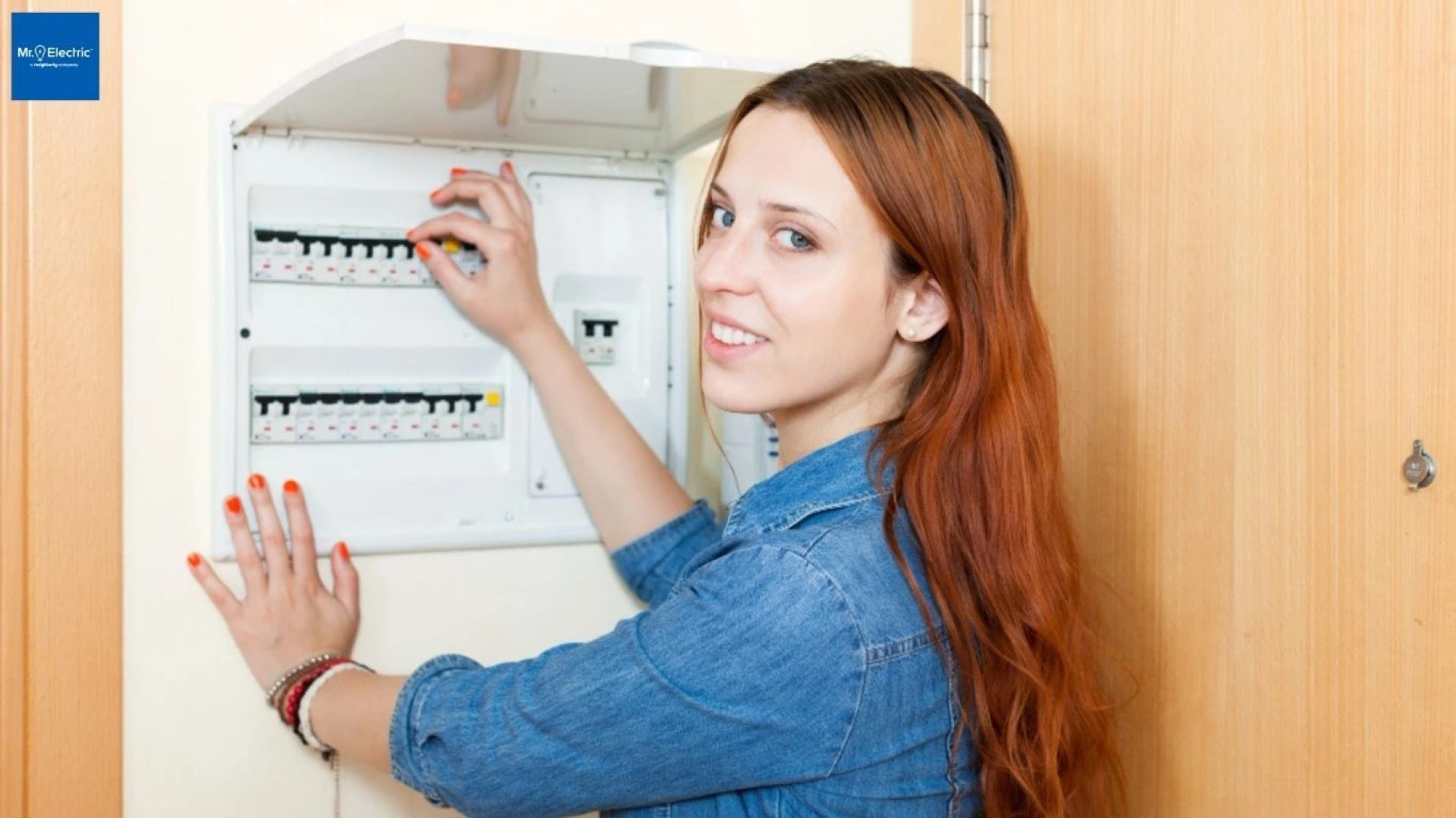
Why “Just Resetting It” Can Be Risky
Resetting a tripped breaker without understanding the cause is like silencing a smoke alarm without checking for fire. Each trip indicates stress on your electrical system. Over time, that stress can:
- Weaken wiring insulation
- Damage outlets and connected appliances
- Increase the chance of electrical fires
The absence of sparks or smoke doesn’t mean the risk is gone—it often means the danger is building quietly.
Common Causes Behind Frequent Breaker Trips
1. Overloaded Circuits Are More Common Than You Think
Modern homes rely on more devices than older wiring was designed to handle. Space heaters, air fryers, EV chargers, and home offices can all overload a single circuit.
Key insight: If a breaker trips when multiple devices run together, the circuit capacity may no longer match your lifestyle.
2. Aging or Damaged Wiring
Wires degrade over time due to heat, vibration, pests, or moisture. Small cracks in insulation can cause intermittent faults that trigger breakers unpredictably.
Why it matters: Aging wiring often fails gradually, making frequent breaker trips an early warning sign rather than a sudden failure.
3. Faulty Appliances Creating Hidden Problems
Sometimes the issue isn’t your wiring—it’s what’s plugged into it. Appliances with internal shorts or worn components can cause repeated trips even on otherwise healthy circuits.
Smart check: If the breaker trips only when one appliance is used, that device may be the real culprit.
4. Ground Faults in High-Moisture Areas
Kitchens, bathrooms, garages, and outdoor outlets are prone to ground faults. Moisture can redirect electricity in unsafe ways, triggering protective shutdowns.
Safety note: Ground faults are especially dangerous because they increase the risk of electric shock.
5. Outdated Electrical Panels Struggling to Keep Up
Older panels may still function, but they aren’t always built for today’s electrical loads. Frequent trips can mean the panel is doing its best—but reaching its limits.
This is where homeowners must know Why Is Upgrading Electrical Circuits Worth the Investment? to understand long-term solutions.
How Frequent Breaker Trips Affect More Than Safety
Breaker issues don’t just raise safety concerns—they impact daily life:
- Interrupted work-from-home setups
- Reduced lifespan of electronics due to unstable power
- Increased energy inefficiency
- Ongoing frustration from unpredictable outages
What seems like a minor annoyance can quietly become a costly problem.
When a Tripping Breaker Becomes an Urgent Issue
You should stop resetting the breaker and seek professional help if:
- The breaker trips immediately after resetting
- You notice burning smells or warm outlets
- Lights flicker before the breaker trips
- Trips happen without any new devices plugged in
These signs suggest the problem is active and potentially hazardous.
Long-Term Solutions That Actually Fix the Problem
Instead of temporary workarounds, lasting solutions focus on the root cause:
- Load balancing across circuits
- Repairing or replacing damaged wiring
- Updating outlets and protective devices
- Evaluating whether circuit or panel upgrades are needed
Addressing the cause early often prevents more expensive repairs later.
Why Professional Evaluation Matters
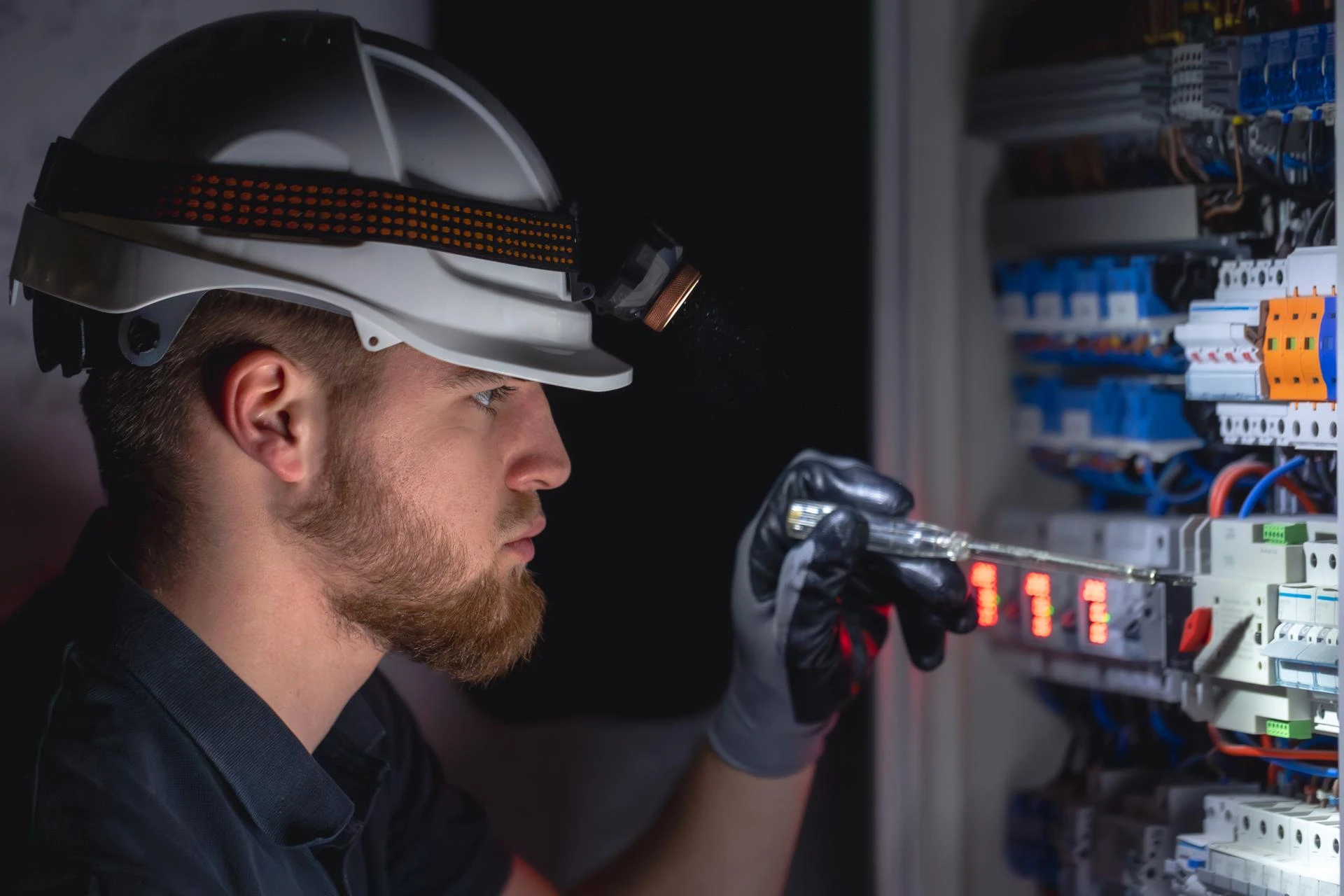
Electrical systems are interconnected. Fixing one visible issue without evaluating the rest can leave hidden risks untouched. A professional assessment looks at:
- Current load demands
- Wiring condition
- Panel performance
- Safety compliance as a complete system
This whole-home approach is what turns frequent breaker trips into a solved problem—not a recurring one.
Final Thoughts on Electrical Safety at Home
Frequent breaker trips are never random. They’re precise safety responses to conditions that shouldn’t be ignored. Understanding what your electrical system is telling you can protect your home, your devices, and your peace of mind. For homeowners seeking dependable guidance and professional care, Mr. Electric of Dallas offers electrical services designed to identify risks early and resolve them correctly the first time.
Frequently Asked Questions (FAQs)
1. Is it safe to keep resetting a breaker that trips often?
No. Repeated resets without fixing the cause can increase fire and shock risks.
2. Can a breaker itself be faulty?
Yes. Breakers can wear out over time and trip more easily than intended.
3. Do frequent trips always mean expensive repairs?
Not always. Some issues are simple fixes when caught early.
4. Why does my breaker trip only at certain times of day?
This often relates to increased electrical demand during those times.
5. Can frequent breaker trips damage my appliances?
Yes. Power interruptions and unstable flow can shorten appliance lifespan.


























Sign in to leave a comment.