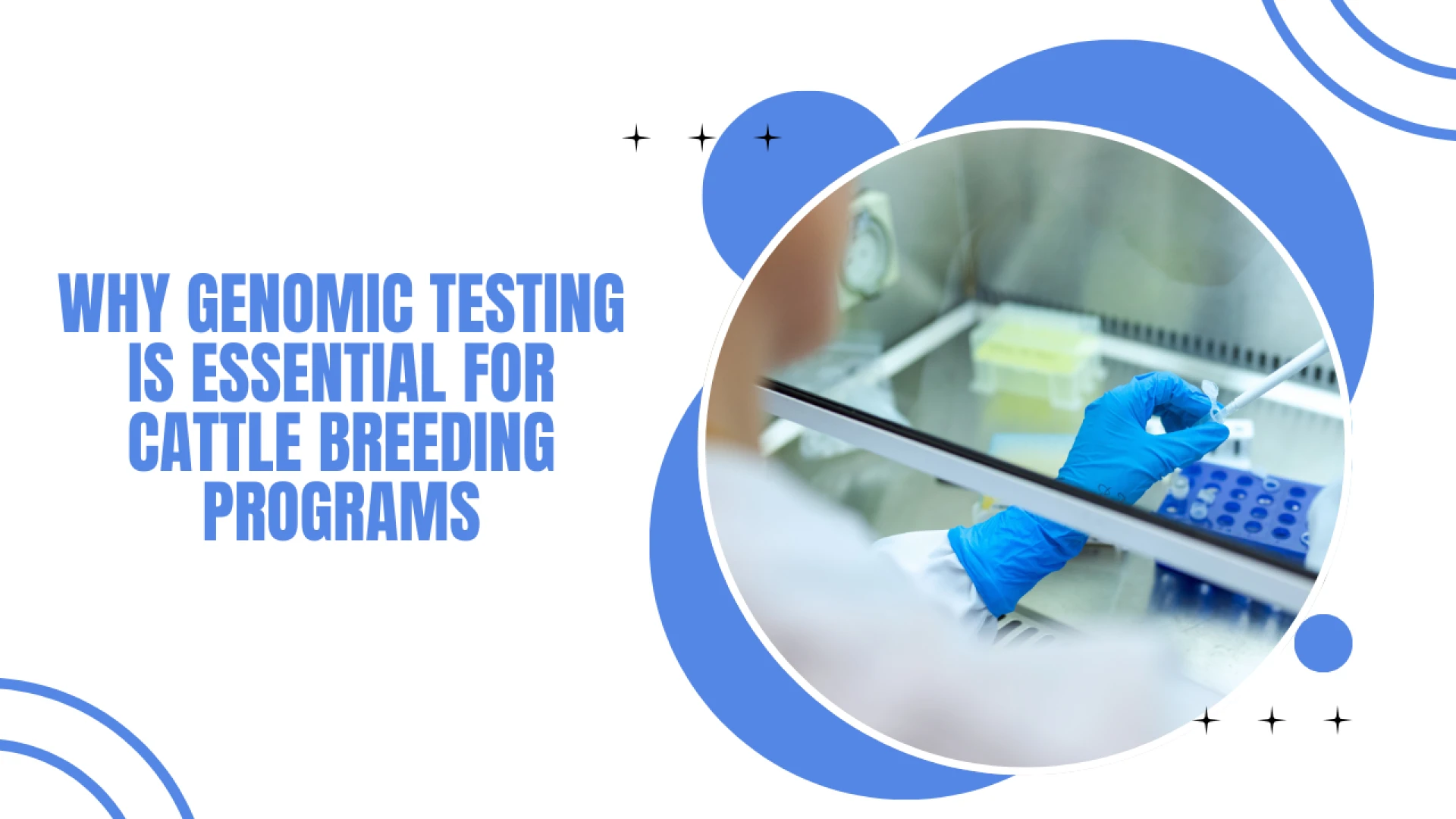
Cattle breeding has always been a cornerstone of agriculture, and with increasing demand for efficient and productive herds, modern breeding programs are turning to genomic testing to gain a competitive edge. Genomic testing provides a scientific approach to understanding the genetic potential of each animal in a herd. By analyzing the DNA of cattle, breeders can identify superior traits related to milk production, fertility, disease resistance, and overall herd performance. Unlike traditional selection methods that rely on visible traits and pedigree, genomic testing offers precise and reliable insights, enabling farmers to make informed decisions that can significantly enhance herd quality and productivity over time.
Understanding Genomic Testing in Cattle
Genomic testing involves examining the DNA of cattle to uncover genetic markers associated with specific traits. These markers are sequences in the animal’s genome that can predict performance characteristics with a high degree of accuracy. The testing process typically requires a small sample from the animal, such as hair, blood, or tissue, which is then analyzed in a laboratory. The results provide a comprehensive genetic profile of the animal, highlighting traits that are desirable for breeding. This approach allows breeders to move beyond traditional observational selection and base decisions on scientifically verified genetic data, reducing uncertainty and improving long-term herd outcomes.
Key Benefits for Breeding Programs
One of the most significant benefits of genomic testing is the ability to identify animals with superior genetic potential early in life. For example, calves can be tested at a young age to determine their future productivity, fertility, and health prospects. This early insight allows breeders to prioritize animals for breeding programs without waiting for years of observable performance data. Additionally, genomic testing helps in selecting traits that contribute to herd sustainability, such as resistance to common diseases, adaptability to local environmental conditions, and reproductive efficiency. By incorporating these genetic insights, breeders can develop more robust and productive herds, ensuring consistent performance across generations.
Enhancing Milk Production and Fertility
Milk production and reproductive efficiency are critical traits for dairy herds. Genomic testing allows breeders to identify animals with the highest potential for milk yield and quality, along with traits that support efficient reproduction. By selecting animals with superior genetic markers for these traits, farmers can gradually enhance herd productivity over successive generations. Moreover, understanding the genetic predisposition for fertility-related traits enables better planning of breeding schedules and management practices. This scientific approach ensures that herds are not only productive but also healthier and better suited to meet the long-term demands of dairy farming.
Disease Resistance and Herd Health
Disease management is a major challenge in cattle breeding, and genomic testing offers a proactive solution. Certain genetic markers indicate resistance or susceptibility to common diseases, allowing breeders to select animals that are naturally more resilient. By prioritizing these animals in breeding programs, the overall herd becomes healthier, reducing the need for medical interventions and improving longevity. Additionally, identifying genetic risks early helps in designing targeted health management plans, ensuring that both young and adult cattle receive optimal care. Over time, incorporating disease resistance traits through genomic selection strengthens the herd’s overall immune profile and reduces potential losses.
Precision Breeding and Data-Driven Decisions
Genomic testing empowers breeders to implement precision breeding strategies. Instead of relying on generalized observations or traditional pedigree data, breeders can make decisions based on verified genetic information. This data-driven approach minimizes guesswork, increases selection accuracy, and accelerates the improvement of desired traits in the herd. Furthermore, genomic testing allows for better planning in terms of mating strategies, optimizing combinations that are likely to produce offspring with superior performance. By integrating this information into daily breeding operations, farmers can achieve a systematic and consistent improvement in herd genetics, ensuring that the breeding program is both effective and sustainable.
Long-Term Benefits for Herd Management
In addition to immediate advantages, genomic testing has long-term benefits for herd management. Improved genetic selection leads to stronger, healthier, and more productive herds over time. Farmers can make more informed decisions about herd expansion, replacement, and management practices, resulting in increased efficiency and profitability. Furthermore, the use of genomic data enhances traceability and record-keeping, providing valuable insights for regulatory compliance, market requirements, and strategic planning. Ultimately, integrating genomic testing into breeding programs transforms herd management from a largely observational practice into a scientifically informed process, ensuring that each generation of cattle contributes to the overall improvement of the herd.
Final Thoughts
Genomic testing is no longer a futuristic concept but a practical tool that is becoming essential for modern cattle breeding programs. By providing detailed insights into genetic potential, breeders can select animals that are healthier, more productive, and better suited for their specific farm conditions. The ability to identify superior traits early in life, enhance milk production and fertility, improve disease resistance, and implement precision breeding strategies makes genomic testing an invaluable asset. As the agricultural sector continues to evolve, breeders who embrace genomic testing will be better positioned to build sustainable, high-performing herds that meet both current and future demands of the dairy and livestock industry.
If you are a dairy farmer looking to maximize the genetic potential of your herd and need a reliable, scientifically-backed genomic testing solution, Accuvance India is your trusted partner. We understand that every herd is unique, and our genomic testing services provide detailed, actionable insights to help you identify superior traits related to milk production, fertility, and overall herd health. By using advanced genomic tools, we help you make precise breeding decisions that improve herd consistency, increase productivity, and support long-term sustainability. Our team works closely with farmers to provide personalized guidance, ensuring that genomic testing is smoothly integrated into your breeding program. This approach allows you to plan strategically for future herd improvement while maximizing the genetic potential and value of every animal in your operation.



























Sign in to leave a comment.