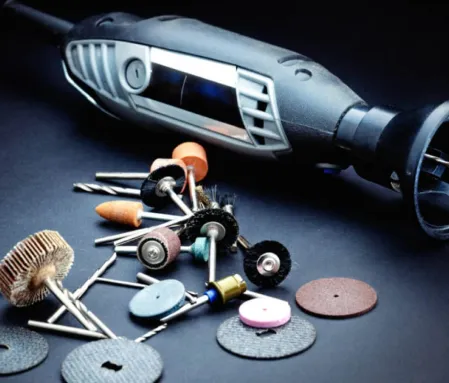

Metalworking industries rely on precision, durability, and efficiency to produce high-quality components for various applications. From automotive manufacturing to construction, aerospace, and heavy engineering, every metal part must meet exact specifications. One of the most important elements that support this level of accuracy is grinding tools.
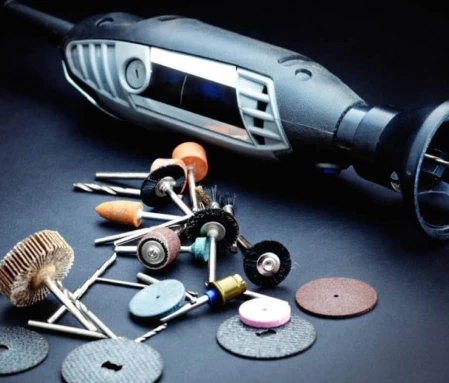
Grinding tools play a critical role in shaping, smoothing, sharpening, and finishing metal surfaces. They help manufacturers achieve precise dimensions, improved surface quality, and better overall performance of metal components. Without proper grinding solutions, maintaining consistency and productivity in metalworking operations becomes difficult.
The Importance of Precision in Metalworking
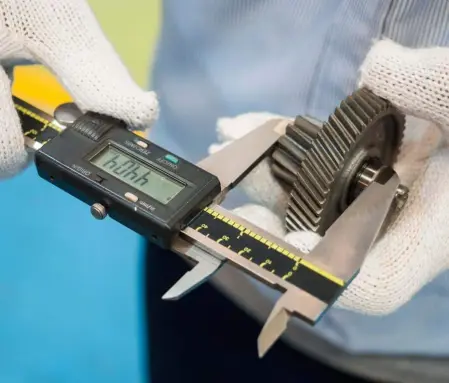
Precision is a key requirement in every metalworking process. Components used in machinery, engines, tools, and industrial systems must fit perfectly to ensure smooth operation. Even minor imperfections can affect product performance and safety.
Grinding tools help remove excess material while maintaining tight tolerances and smooth finishes. These tools are designed to deliver accurate cutting and finishing results, making them essential for industries that demand high precision.
Whether working on flat surfaces, cylindrical parts, or complex metal shapes, grinding operations help improve dimensional accuracy and surface quality. This level of precision is especially important in industries where performance and reliability are critical.
Enhancing Surface Finish and Product Quality
Surface finishing is an important part of metal fabrication and machining. Rough or uneven surfaces can reduce the durability and efficiency of metal components. Grinding tools help create smooth and polished finishes that improve the appearance and functionality of products.
A properly finished surface also reduces friction, minimizes wear, and increases the lifespan of machine parts. In sectors such as aerospace and automotive manufacturing, smooth finishes are necessary to ensure optimal component performance.
Modern grinding tools are available in different shapes and abrasive materials to suit specific applications. This flexibility allows manufacturers to achieve the desired finish on various metals, including steel, aluminum, cast iron, and stainless steel.
Supporting High-Speed Industrial Production
Metalworking industries often operate under tight production schedules. Efficient machining solutions are necessary to maintain productivity without compromising quality. Grinding tools help speed up manufacturing processes by enabling fast material removal and consistent finishing.
Advanced grinding equipment and abrasive technologies allow operators to complete tasks quickly and accurately. This reduces production downtime and improves workflow efficiency.
Durable grinding solutions also lower maintenance costs and reduce the frequency of tool replacement. As a result, manufacturers can improve operational performance while controlling overall production expenses.
Versatility Across Multiple Applications
One reason grinding tools are widely used in metalworking industries is their versatility. They can be used for cutting, deburring, polishing, sharpening, and surface preparation.
Different industries use grinding applications for different purposes. Automotive manufacturers use grinding for engine components and transmission parts. Construction industries rely on grinding tools for metal fabrication and structural work. Tool and die makers use them for sharpening and finishing precision equipment.
This adaptability makes grinding solutions an essential part of both small workshops and large industrial manufacturing facilities.
Improving Worker Safety and Process Reliability
Modern grinding tools are designed with safety and performance in mind. High-quality abrasive materials and advanced tool designs help reduce vibration, overheating, and operational risks during grinding processes.
Reliable grinding equipment also improves process stability by delivering consistent results over long production cycles. This helps manufacturers reduce defects and maintain product quality standards.
Using the correct grinding tools for each application further enhances safety and ensures efficient machine performance.
Conclusion
Metalworking industries depend heavily on accuracy, efficiency, and durability, and grinding tools contribute significantly to all these factors. They help improve surface finish, support precision machining, increase productivity, and enhance the overall quality of metal components.
As industrial manufacturing continues to advance, the demand for reliable grinding tools will remain essential for achieving consistent performance and maintaining high production standards across multiple industries.




























Sign in to leave a comment.