

The average patient now checks Google reviews before booking an appointment. They scroll Instagram to see if a clinic looks clean. They read Reddit threads about which dermatologist actually listens. This is where patients are making decisions — and most healthcare providers are still not showing up.
That is a problem worth fixing.
Healthcare social media services and digital healthcare marketing solutions have moved from "nice to have" to essential infrastructure for practices that want to grow. This article breaks down what actually works, what doesn't, and how to think about building a digital presence that earns trust rather than just attention.
Patients Are Already Online. The Question Is Whether You Are Too.
In 2024, over 80% of patients reported using online sources to research providers before booking. Social media sits near the top of that list — not because people want their doctor to go viral, but because a visible, active online presence signals that a practice is legitimate, current, and communicative.
Healthcare social media services help practices manage this presence consistently. That covers content planning, platform management (Instagram, Facebook, LinkedIn, TikTok depending on the specialty), patient education posts, review responses, and community engagement. Done well, it builds the kind of ambient trust that turns a first-time visitor into a long-term patient.
What "Digital Healthcare Marketing Solutions" Actually Means in Practice
The phrase gets thrown around loosely, so it's worth being specific. A complete digital healthcare marketing solution typically includes:
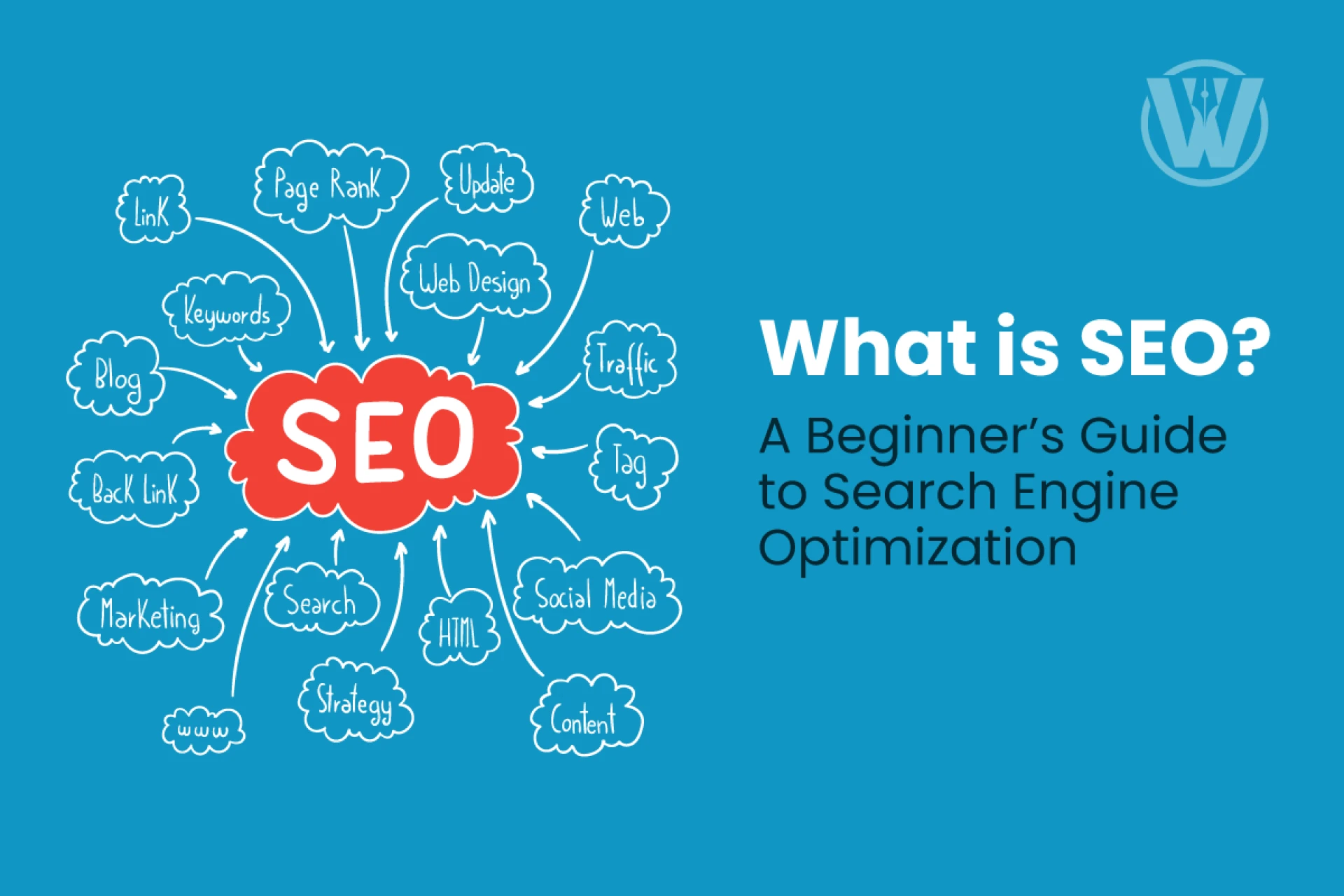
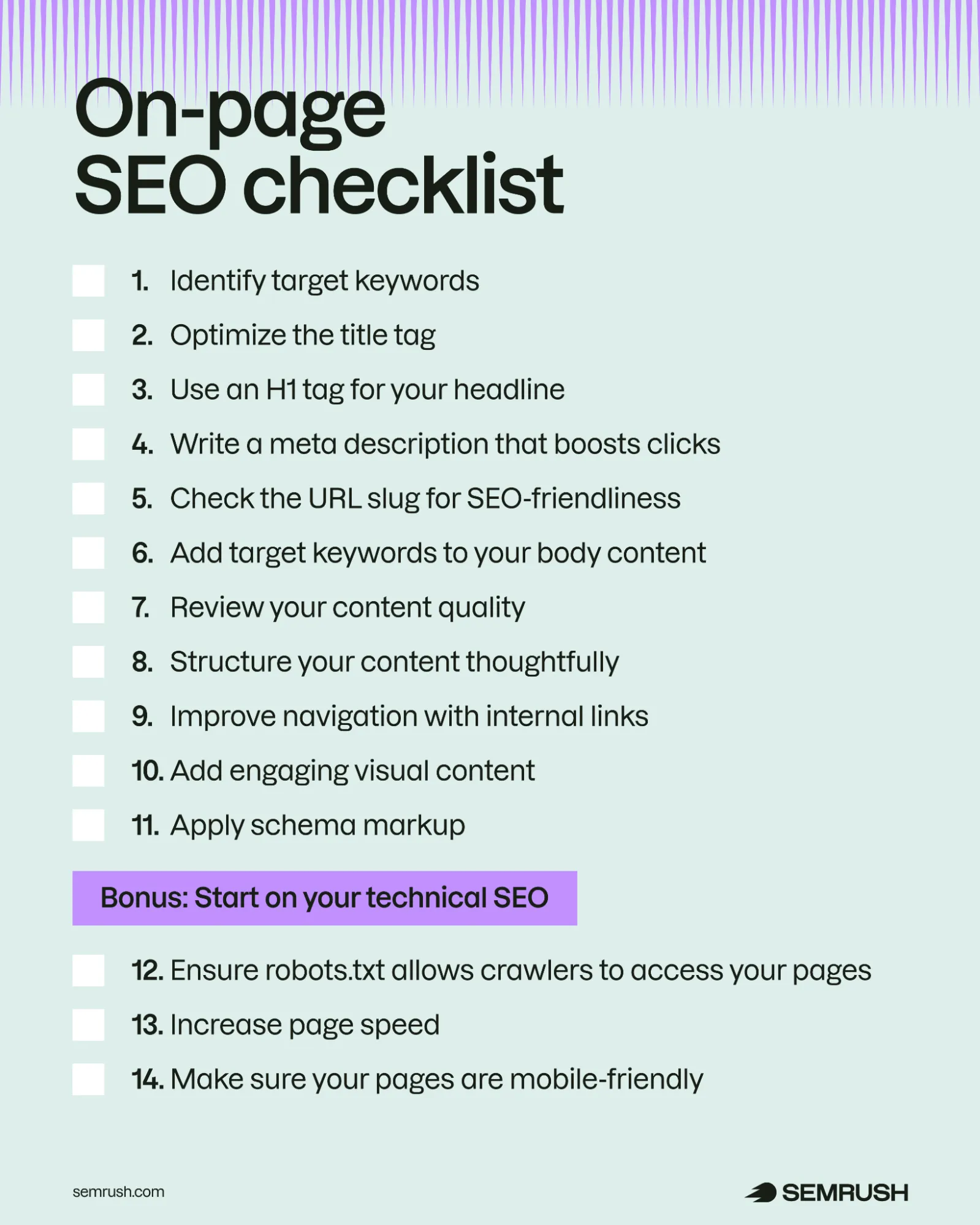
Search Engine Optimization (SEO): Making sure your practice appears when someone searches "pediatrician near me" or "best orthopedic surgeon in Lahore." Local SEO is particularly important — Google Business Profile optimization, consistent NAP (name, address, phone) data, and geo-targeted content.
Paid Advertising: Google Ads and Meta Ads for specific services. A dermatology clinic running ads for acne treatment, for example, can target by age, location, and search intent with precision that traditional advertising never offered.
Social Media Management: Regular posting, engagement, and community building across relevant platforms. For most medical practices, this means educational content, patient stories (with proper consent), team spotlights, and timely health information.
Reputation Management: Monitoring and responding to reviews on Google, Healthgrades, and Zocdoc. A practice with 4.8 stars and prompt responses to concerns looks dramatically different from one with 3.2 stars and silence.
Email and SMS Campaigns: Patient retention tools — appointment reminders, follow-up care tips, seasonal health alerts. These keep your practice top-of-mind between visits.
None of these work particularly well in isolation. The value comes from running them together as a coordinated system.
Compliance Issue Nobody Talks About Enough
Healthcare is not retail. HIPAA in the US (and equivalent regulations in other regions) means that healthcare social media is not simply "post a photo and reply to comments." Patient data, even incidentally shared, creates legal exposure. So does making specific medical claims in ad copy.
A good digital healthcare marketing solution is built around compliance from the start — HIPAA-compliant scheduling tools, consent frameworks for patient testimonials, advertising copy reviewed against platform policies and medical advertising standards. This is not optional, and any agency that treats compliance as an afterthought is one you probably want to avoid.
What Separates Good Healthcare Social Media Content from Filler
Most healthcare social media accounts post the same things: stock photos of stethoscopes, generic "World Health Day" graphics, and occasional announcements. Patients scroll past these without registering them.
What actually performs well:
- Specific, useful information. "Three signs your knee pain needs imaging" gets more engagement than "We care about your health."
- Real faces. Doctors and nurses on camera — even brief, informal clips — build more trust than polished graphics.
- Answered questions. Turn common patient questions into short posts or videos. This doubles as SEO content.
- Behind-the-scenes content. People want to know who they're trusting with their health. A tour of your facilities, a "day in the life" reel, an introduction to your front desk staff — these all help.
The goal is not follower counts. It is familiarity and trust before a patient ever walks through your door.
How to Choose a Healthcare Marketing Partner
Look for agencies that have worked specifically in healthcare — not just general digital marketing shops that claim they can handle any industry. Ask about their compliance process. Ask for examples of healthcare clients and what metrics they track (bookings, not just impressions).
Pricing varies widely. Small practice social media management might run $500–$2,000/month. Full-service digital healthcare marketing solutions — including SEO, paid ads, and reputation management — typically start around $3,000–$5,000/month for a mid-sized practice.
The ROI math is usually straightforward. If one new patient per month generates $1,500 in lifetime value, and your marketing spend brings in 20 new patients monthly, the numbers work.
The Bottom Line
Healthcare providers who invest in social media services and digital marketing are not just running ads. They are building patient relationships before those patients even make contact. They are showing up where decisions get made.
The ones who aren't doing this are losing patients to those who are — quietly, consistently, and without necessarily knowing why.



























Sign in to leave a comment.