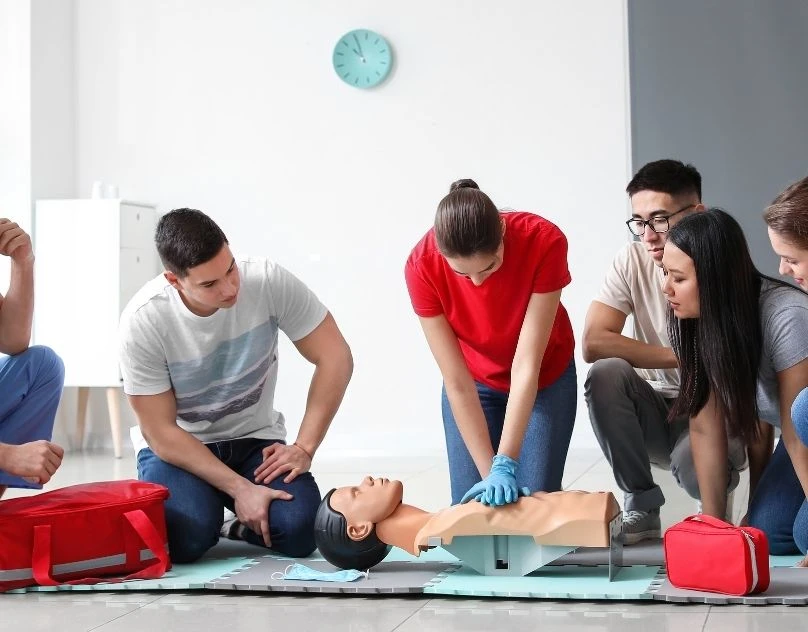

Healthcare professionals play a critical role in saving lives, especially during emergencies. One of the most essential responsibilities they hold is to provide basic emergency life support training. This training equips individuals with the skills needed to respond effectively in life-threatening situations, both inside and outside clinical settings.
The Importance of Basic Emergency Life Support Training
Basic emergency life support (BELS) refers to the immediate care given to individuals experiencing medical emergencies such as cardiac arrest, choking, or severe injuries. When healthcare workers provide basic emergency life support training, they empower others to act quickly and confidently in critical moments.
Improving Survival Rates
Quick intervention during emergencies can significantly increase survival rates. When more people are trained, the chances of someone nearby being able to respond effectively improve. Healthcare workers are best positioned to deliver accurate and practical training based on real-world experience.
Bridging the Gap Before Professional Help Arrives
Emergency services may take time to reach the scene. In such cases, trained individuals can step in and provide immediate care. By teaching others how to provide basic emergency life support, healthcare workers help bridge this crucial gap and reduce the risk of complications.
Why Healthcare Workers Should Take the Lead
Healthcare workers possess the knowledge, skills, and experience necessary to deliver high-quality training. Their involvement ensures that the information shared is reliable, up-to-date, and aligned with current medical guidelines.
Expertise and Credibility
Training delivered by healthcare professionals carries more credibility. Participants are more likely to trust and retain information when it comes from experienced practitioners who understand real-life emergency scenarios.
Standardised and Accurate Training
When healthcare workers provide basic emergency life support training, they ensure consistency in teaching methods. This helps maintain a high standard of care across communities and workplaces.
Benefits for Communities and Workplaces
Providing BELS training has far-reaching benefits beyond healthcare settings. It contributes to safer environments and more prepared communities.
Building a Prepared Community
Communities with access to emergency life support training are better equipped to handle crises. This leads to increased confidence among individuals and a greater willingness to assist others in emergencies.
Enhancing Workplace Safety
Many industries require employees to respond to emergencies. Training provided by healthcare workers ensures that staff are well-prepared to manage incidents such as injuries or sudden illnesses.
Key Skills Covered in Training
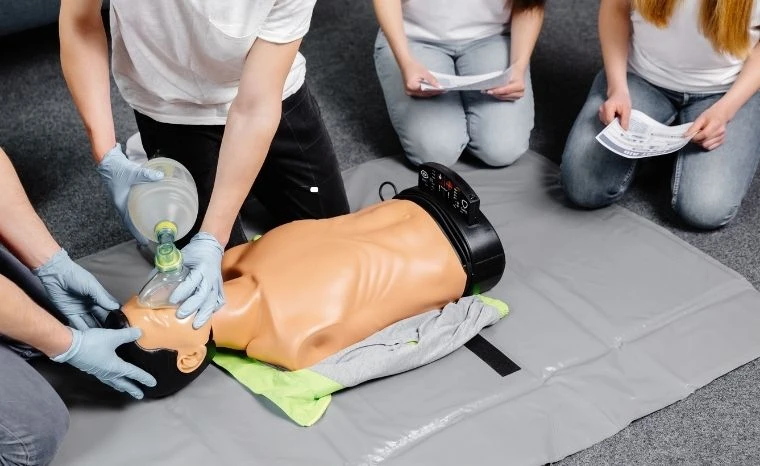
When healthcare workers provide basic emergency life support training, they typically cover a range of essential skills, including:
Cardiopulmonary Resuscitation (CPR)
Participants learn how to perform CPR effectively, helping maintain blood circulation and oxygen flow during cardiac arrest.
Managing Choking Incidents
Training includes techniques to assist individuals who are choking, ensuring quick and safe intervention.
Handling Medical Emergencies
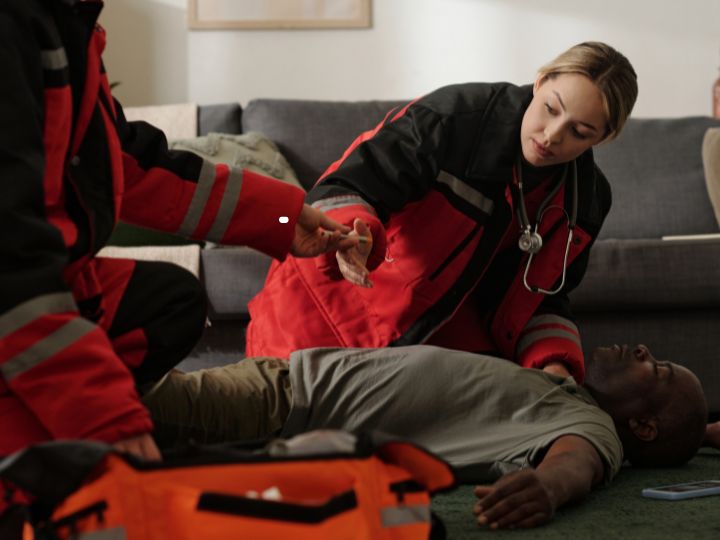
From recognising symptoms to providing initial care, trainees gain the confidence to manage various emergency situations until professional help arrives.
The Long-Term Impact of Providing Training
Encouraging healthcare workers to provide basic emergency life support training leads to a ripple effect. More trained individuals mean faster responses, reduced fatalities, and stronger community resilience. It also promotes awareness about the importance of emergency preparedness in everyday life.
FAQs
What does it mean to provide basic emergency life support?
It involves teaching individuals how to respond to medical emergencies such as cardiac arrest, choking, or injuries using essential life-saving techniques.
Who can benefit from this training?
Anyone can benefit, including students, employees, parents, and community members. It is especially valuable in workplaces and public settings.
How long does basic emergency life support training take?
Most courses can be completed within a few hours to a full day, depending on the level of detail and practical components.
Why is it important for healthcare workers to provide this training?
Healthcare workers have the expertise to deliver accurate and effective training, ensuring participants are well-prepared to handle real-life emergencies.
Can this training really save lives?
Yes, immediate action during emergencies can significantly improve survival rates, making this training highly valuable.





















Sign in to leave a comment.