
First aid skills are essential for responding quickly during emergencies. Many people today choose to learn these life-saving skills through flexible learning options. When deciding how to train, individuals often compare an online first aid course with traditional classroom training. Both formats aim to teach the same essential emergency care techniques, but they differ in delivery, flexibility, and practical experience.
Understanding the differences can help you choose the training style that suits your schedule, learning preferences, and professional requirements.
Understanding an Online First Aid Course
An online first aid course allows learners to study first aid concepts through digital platforms. Participants access learning materials such as videos, modules, quizzes, and interactive content from any location.
Key Features of Online Training
Flexible Learning Schedule
One of the biggest advantages of an online course is flexibility. Learners can complete lessons at their own pace, making it ideal for busy professionals, students, or parents.
Remote Access
All course materials are accessible through a computer, tablet, or smartphone. This means you can study at home, during travel, or whenever it suits your routine.
Self-Paced Learning
Online modules allow learners to pause, repeat, or review information multiple times. This can improve knowledge retention and help students better understand key first aid procedures.
Cost and Time Efficiency
Online courses often reduce travel expenses and time commitments since there is no need to attend a physical location.
However, while an online first aid course is convenient, some certifications still require practical assessments to ensure participants can perform real-life skills correctly.
Classroom First Aid Training Explained
Classroom-based first aid training takes place in a physical learning environment with an instructor and other participants.
Key Benefits of Classroom Training
Hands-On Practical Practice
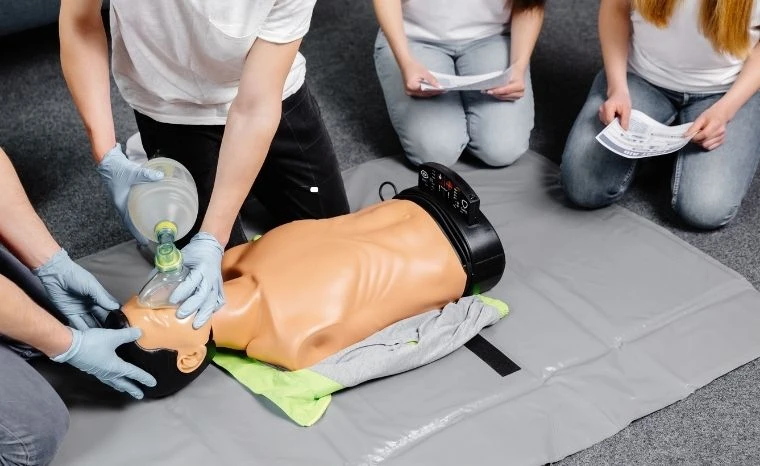
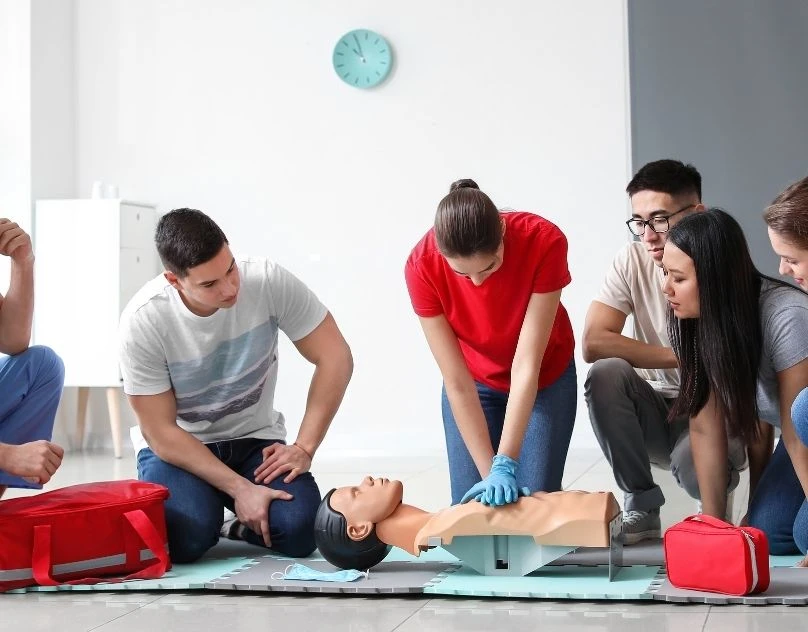
In-person training allows participants to practise important techniques such as CPR, bandaging, and emergency response using training equipment and mannequins.
Immediate Instructor Feedback
Learners receive instant guidance from experienced trainers who can correct mistakes and demonstrate proper techniques.
Group Learning Experience
Classroom sessions often include discussions, role-playing scenarios, and teamwork exercises. These activities help learners understand how to react during real emergencies.
Structured Learning Environment
Some people find it easier to stay focused in a classroom setting where learning follows a scheduled format.
Key Differences Between Online and Classroom Training
Learning Flexibility
An online first aid course offers greater flexibility because students can learn anytime and anywhere. Classroom training follows a fixed timetable and requires physical attendance.
Practical Skills Training
Classroom courses focus heavily on hands-on practice, while online learning mainly covers theoretical knowledge through digital lessons.
Learning Style
Online training suits independent learners who prefer self-paced study. Classroom training benefits those who prefer direct interaction with instructors.
Certification Requirements
In some cases, first aid certifications may involve a blended learning approach. This means students complete theory through an online first aid course and attend a short practical session for skills assessment.
Which First Aid Training Option Is Better?
The best option depends on your needs and goals. If you want flexibility and convenience, an online first aid course is a great choice. However, if you prefer hands-on learning and face-to-face instruction, classroom training may be more suitable.
Many training providers now combine both methods, offering hybrid courses that deliver the advantages of digital learning and practical skill development.
Final Thoughts
Choosing between an online first aid course and classroom training ultimately depends on your learning style, schedule, and certification requirements. Online courses provide convenience and accessibility, while classroom training offers valuable hands-on practice and real-time instructor support. Regardless of the format, gaining first aid knowledge is an important step toward being prepared to help others during emergencies.

FAQs
1. Is an online first aid course recognised in Australia?
Yes, many accredited providers offer recognised online first aid courses, especially when combined with practical assessments.
2. Can I complete first aid training fully online?
Some theory components can be completed online, but many certifications require in-person practical evaluation.
3. Who should take an online first aid course?
Online courses are ideal for busy professionals, remote workers, students, and anyone who prefers flexible learning.
4. Are classroom first aid courses better for beginners?
Classroom training can be beneficial for beginners because instructors provide hands-on guidance and real-time feedback.
5. How long does an online first aid course take to complete?
The duration varies depending on the provider and course level, but most online modules can be completed within a few hours to a full day.






















Sign in to leave a comment.