

I was once one of those individuals who believed therapy was "for others." I convinced myself I was tougher than that and could handle whatever came my way. The truth, though? I was exhausted. Exhausted from overthinking, exhausted from holding it all inside, and exhausted from acting as if my issues weren't impacting my everyday life.
For years, acknowledging that I needed help had seemed like conceding. But when I finally tried therapy, I learned it wasn't weakness at all—it was about self-choosing.
(If you've ever been in the same boat, sites like Ventoutt allow you to access even casual venting, as well as therapy, more affordably, easily, and stigma-free. And in all honesty, that made all the difference for me.)
The Hesitation That Held Me Back
When my friends told me to go to therapy, my first reaction was: "I don't have time for that." Or sometimes, "It's too costly." Subconsciously, however, I was afraid of what I might discover.
What if being more open made me worse? What if I couldn't put my feelings into words? And what if the therapist would judge me?
In retrospect, I see that these were merely fears bred of years of internal stigma. Fact is, therapy is not about judgment—it's about establishing a safe haven where you can finally breathe.
The Moment Things Shifted
The break occurred one night after yet another sleepless night. My chest was weighed down, my mind was racing, and I couldn't break the cycle of rehashing conversations in my head.
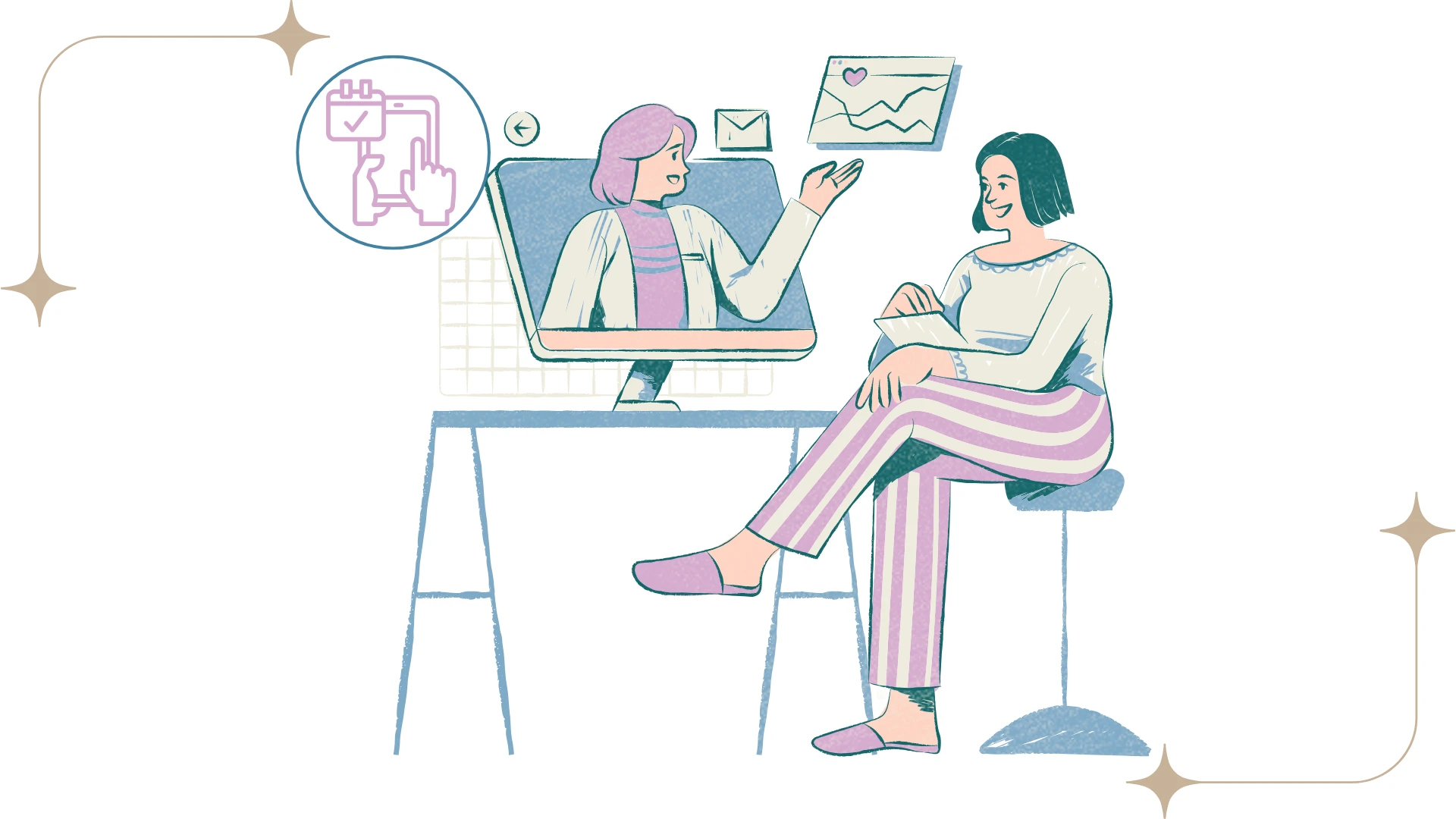
I came across an article on online counseling, and something just clicked. The idea of not needing to go into an office or justify myself to others around me was liberating. I could attempt to do therapy in the comfort of my bedroom. That small sense of convenience dropped the hurdle low enough for me to finally take the first step.
What I Learned in Therapy
When I eventually began, therapy wasn't what I had envisioned. It wasn't lying on a couch discussing my childhood (although that did come up). It was down-to-earth, kind, and unexpectedly collaborative.
These are a few things I learned:
I wasn't "broken." My issues weren't flaws; they were human things.
Little patterns counted. The way I dodged conflict, the way I overcommitted—it all related to deeper fears.
Talking was more helpful than I expected. Occasionally, simply articulating things aloud made them feel less overwhelming.
Why It Was Worth It
The most significant transformation wasn't immediate, but incremental. I caught myself being less reactive in fights. I was able to take a beat before descending into self-bashing. I even began sleeping better.
Therapy didn't "cure" me—it equipped me. It provided perspective. And most of all, it provided me with the right to be kind to myself.
The Strength of Affordable Assistance
One of the things that kept me going was due to the fact that online alternatives made it viable. Inexpensive therapy websites brought to mind the fact that mental health assistance doesn't have to be daunting or unaffordable.
And when I was not prepared for therapy on some days, even having a website to rant anonymously served to release emotions I could not express to family and friends. Sometimes, simply writing your feelings to someone who hears you can feel like breathing after holding your breath for too long.
If You're Hesitant Too…
If you have been thinking about therapy but keep finding excuses to put it off, this is what I would say to you, friend-to-friend:
You don't necessarily have to have a "serious" issue to go.
It's not being weak—it's about not doing everything by yourself.
The hardest part is always starting. But things do get easier.
Conclusion: Choosing Yourself Isn't Selfish
I learned through therapy that the act of asking for help is one of the most courageous things we can do. It's not about losing control of your life—it's about reclaiming it.
If you’ve been hesitating, maybe today is the day to try. Platforms like Ventoutt are making it easier than ever to connect with affordable, compassionate support—whether that’s online counseling with a therapist or simply venting to someone who listens.
Because sometimes, the bravest step forward starts with just saying: “I don’t want to do this alone anymore.”


























Sign in to leave a comment.