

If you’ve ever admired the subtle imperfections, unique glazes, and organic feel of handmade pottery, you have a sense for what “independent studio ceramics” stands for. It refers to pottery and ceramic work created by small-scale studios, individual ceramic artists or small teams — not by large factories. Each piece is often shaped, glazed, and fired by hand or in small batches.
Working with clay this way is more than production; it's an art form. Every mug, bowl or vase can carry subtle variations. That uniqueness gives each item character — something that mass-produced ceramics rarely capture.
Using this blog, we’ll explore why independent studio ceramics are growing fast in popularity, and what it takes to launch or appreciate such work.
The Appeal of Handmade Over Mass-Produced Pottery
The Beauty of Imperfection
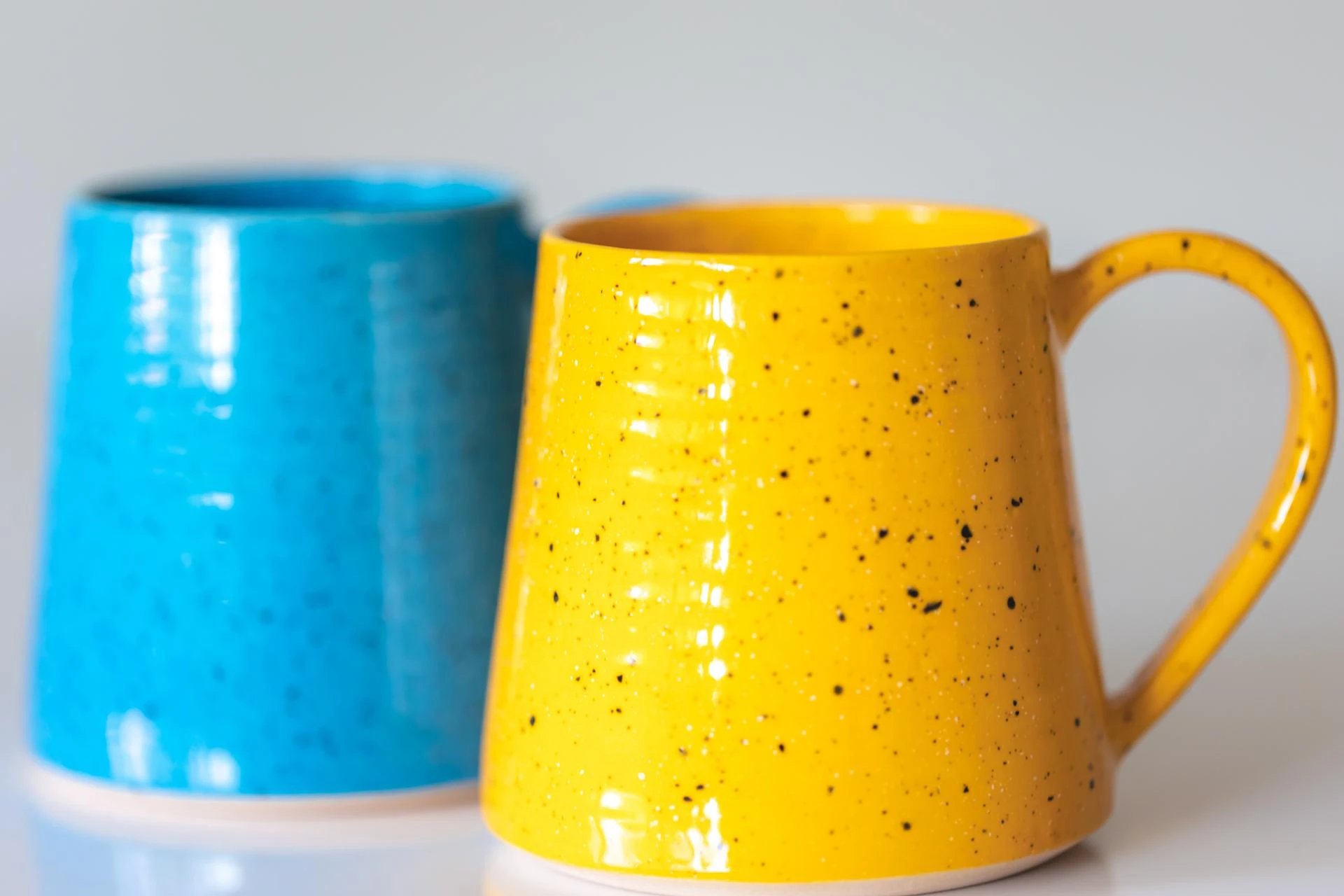
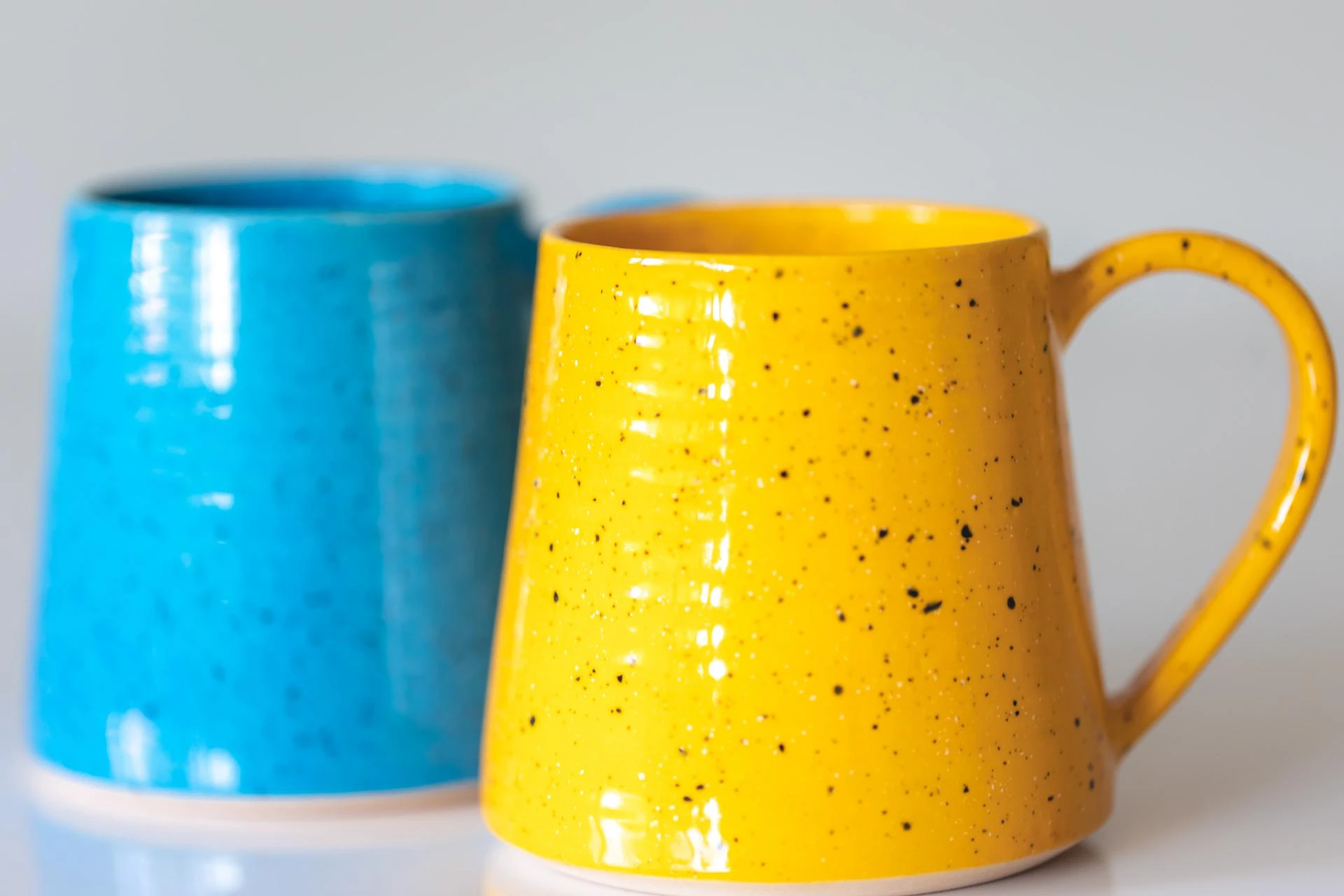
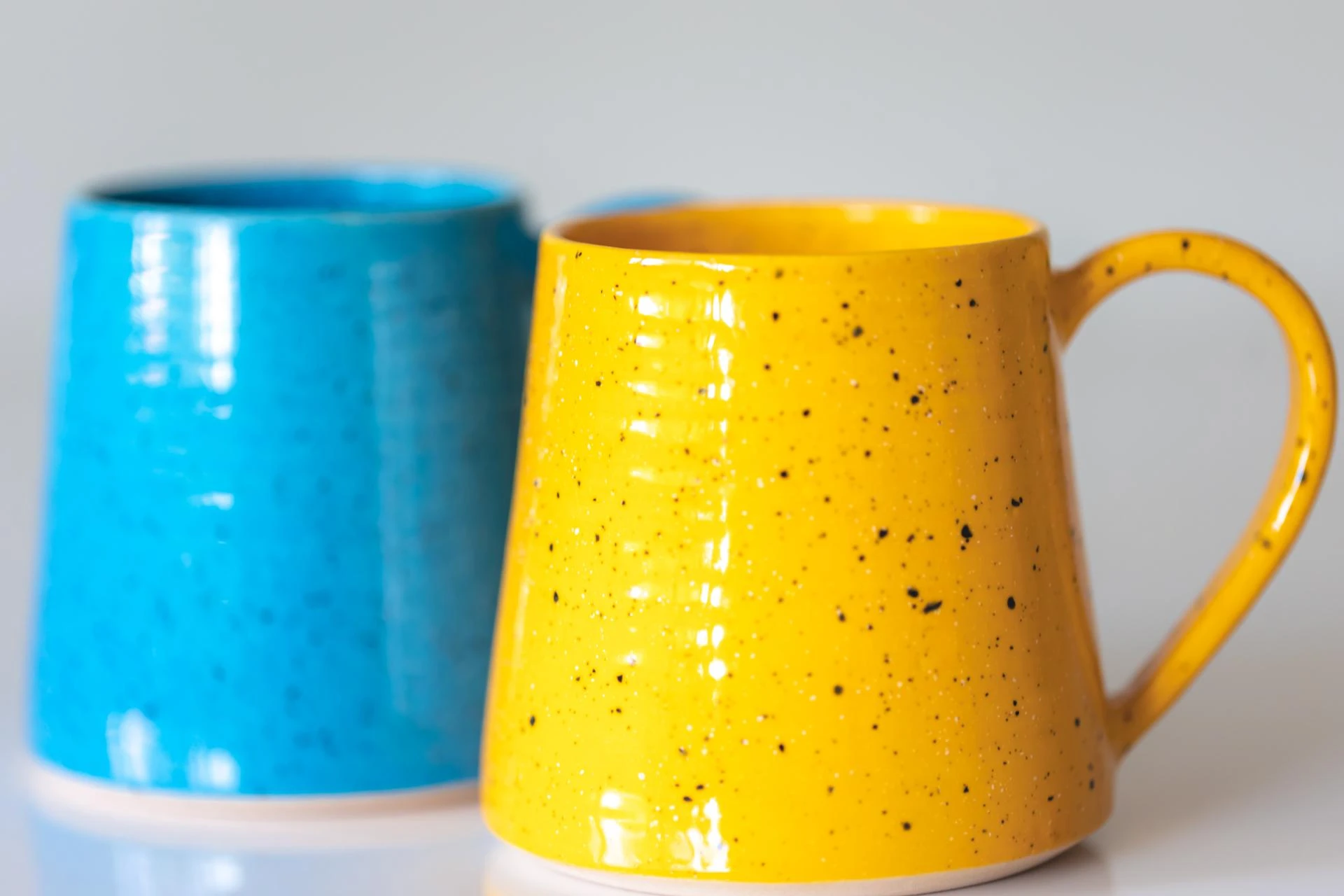
Handmade ceramics often embrace small irregularities — slight unevenness, texture variations, glaze drips — which make each piece one-of-a-kind. These imperfections are not flaws; they are signs of craftsmanship and authenticity. Many buyers appreciate this “human touch” because it connects them to the maker and the process.

Functional Art That Feels Personal
Unlike mass-produced dinnerware, pieces from independent ceramic studios are more than functional: they feel like personal objects. A handmade mug might feel warmer, heavier, and more connected to your hands. This combination of functionality and artistry is at the core of independent studio ceramics.
Sustainability and Ethical Craft
There’s a growing interest in sustainable, ethical craft products. Many studio potters use local materials, fire in small kilns, and avoid industrial-scale waste. This resonates with customers seeking mindful purchases — pieces made with care, not churned out on assembly lines. Recent trends in ceramics show a surge in nature-inspired forms, organic shapes, and ethical sensibilities.
Popular Trends in Contemporary Ceramics
The world of ceramics is evolving. Here are some of the current trends that make independent studio ceramics especially appealing:
- Nature-inspired shapes and textures: Soft, organic forms — wavy edges, asymmetrical silhouettes — often in neutral or earthy colors. These designs echo natural forms and give a calm, grounded aesthetic.
- Functional art meets decor: Pieces that work as everyday tableware (bowls, mugs, plates) but also double as décor — or even statement pieces. Many buyers now prefer ceramics that look good on the shelf and feel good in hand.
- Customization and personal storytelling: Buyers want more than a product — they want a story. Independent ceramics can be customized, and each piece reflects the artist’s process, mood, and intention.
How to Start Your Own Independent Studio Ceramics Practice?
If you’re inspired to create your own ceramics, here’s a rough roadmap:
Choose Your Materials & Tools
Start with basic clay bodies (earthenware, stoneware, porcelain depending on your aim), basic tools and a small kiln or access to a community kiln.
Learn Techniques: Hand-building or Wheel-Throwing
Decide whether to hand-build (sculpt, coil, slab) or wheel-throw. Both have their own feel — wheel gives classic, symmetrical forms; hand-build gives freedom and more experimental forms.
Practice, Experiment, Refine
Don’t expect perfection from the first piece. The charm of independent studio ceramics is in its uniqueness — the small variations, the glaze flows, the subtle quirks. These come with practice.
Document Your Process & Build a Portfolio
Take good photos of each piece, track glaze tests, clay bodies and firing conditions. Good documentation makes it easier to present your work later, whether online or in person. A strong portfolio is essential for ceramics artists looking to sell or showcase their work.
Building an Online Presence: Website, Story & SEO
In today’s digital world, having an online presence is vital — not just for visibility, but to connect with an audience that appreciates handmade ceramics.
- Tell your story: Share why you started, your inspirations, your process — people invest in stories, not just objects.
- Optimize for search engines: Use relevant keywords like handmade pottery, ceramic art, and of course independent studio ceramics (but don’t overuse them). This helps interested buyers find you.
- Showcase quality photos: A clean, well-lit gallery of finished pieces helps communicate quality, style, and uniqueness.
- Engage on platforms and communities: Social media, maker-focused marketplaces, and ceramic communities can help you reach people who value handcrafted work. Many studios today combine social media presence with shop sites to reach wider audiences.
Common Challenges — And How to Overcome Them
Running a small ceramics studio isn’t always easy. Some common challenges:
- Inconsistent output: Every piece is handmade, so uniformity can be difficult. That’s part of the charm — but it can make matching sets hard.
- Cost and time intensive: Clay, glazes, kiln firing — plus time for shaping, drying, decorating — all take effort and cost.
- Marketing & exposure: Without the reach of big manufacturers, it’s hard to get noticed. That’s why strong presentation, storytelling, and SEO are crucial.
- Scaling carefully: As demand grows, balancing quality with quantity becomes tricky. It’s easy to lose the handmade feel when scaling up.
Even so, many studio potters choose to stay small — prioritizing quality, authenticity, and connection over mass output. This is often the ethos behind independent studio ceramics.
Why Buyers and Collectors Value Independent Studio Ceramics?
When someone buys from a small ceramics studio — instead of a big brand — they often appreciate:
- Uniqueness: No two pieces are exactly the same. Slight variations make each item personal.
- Craftsmanship and story: Every piece carries the maker’s touch — the wheel marks, glaze flow, subtle textures. This “handmade journey” appeals to collectors and conscious consumers.
- Sustainability and ethics: Supporting small-batch, handcrafted products reduces reliance on mass manufacturing. Often materials are local or responsibly sourced.
- Emotional value: Hand-thrown pottery often feels like more than a vessel — it feels like an object with soul. This emotional resonance makes handmade ceramics special.

Conclusion
The world of independent ceramics is much more than clay and glaze — it is about craftsmanship, story, functionality, and art. In an age of mass production, there is growing demand for handmade, carefully crafted pottery that reflects individuality and care.
Whether you’re a buyer looking for meaningful tableware or a creator planning to build your own pottery studio — embracing independent studio ceramics means valuing authenticity, embracing imperfections, and connecting deeply with the material and process.
If you bring together creativity, quality, storytelling and smart online presence, independent studio ceramics can become not just a craft — but a fulfilling journey.
FAQs
Q1. What makes independent studio ceramics different from regular ceramic products?
Independent studio ceramics are handcrafted in small batches by individual artists or small teams. Each piece carries unique variations in shape, texture, and glaze — unlike mass-produced ceramics which aim for uniformity.
Q2. Is handmade pottery durable enough for everyday use?
Yes — many studio potters use durable clay bodies and glazes suitable for regular use. With proper firing and finishing, handmade pottery can function just like regular dinnerware, but with more character.
Q3. How can a new ceramic artist reach customers online?
A strong online presence helps. Build a clean website or portfolio, share your story and process, use relevant SEO keywords, document pieces with quality photos, and engage in maker communities or social platforms.
Q4. Why are handmade ceramic pieces often more expensive than mass-produced ones?
Because each piece requires significant time, skill, materials and care. The handmade process — from shaping and glazing to firing and finishing — is labour and resource intensive. The uniqueness and craftsmanship add intrinsic value.





























Sign in to leave a comment.