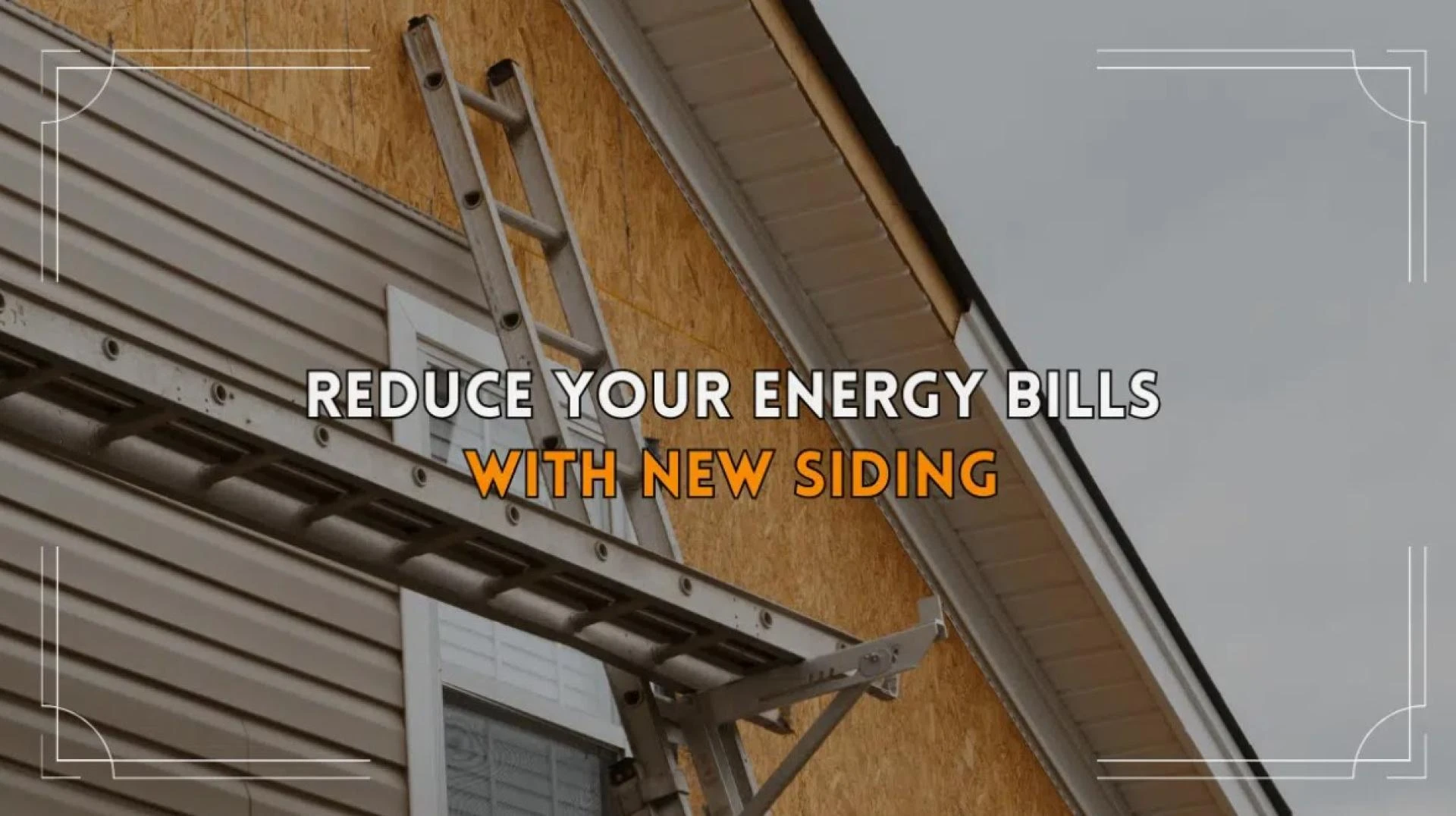

When homeowners think of ways to save on energy bills, they often focus on appliances, thermostats, or windows. However, your home’s siding plays a crucial role in its overall energy efficiency. New siding energy efficiency doesn’t just refresh the look of your home, it also acts as a shield, reducing heat loss, blocking drafts, and improving insulation.
Hiring the most professional siding installers for new siding can help homeowners reduce their energy bills. Let’s talk about how investing in new siding can lead to long-term energy savings and comfort.
Top Ways New Siding Can Reduce Your Energy Bills
1. Improved Insulation Means Less Energy Waste
Modern siding systems with insulated vinyl or fiber cement siding incorporate built-in foam insulation layers, and allow for insulation placement beneath the panels. The thermal barrier formed by this system captures indoor heat during winter while blocking outdoor heat during summer. Your heating and cooling systems experience reduced workload because of which energy consumption decreases while indoor climate stays stable.
2. Seal Gaps That Cause Air Leaks
Cracks or warping, along with siding detachment from your house, can create gaps that allow air to escape to the outside. Most people do not detect these leaks, but they result in substantial energy waste throughout the years. Your home gains a secure barrier through new siding, which blocks drafts and simultaneously protects your HVAC system from unnecessary work caused by these air leaks.
3. Reflective Coatings Reduce Heat Absorption
Modern siding products include reflective or UV-blocking coatings which function to reflect solar heat. The reflective properties of modern siding protect homes from excessive heating in regions with warm climates. Your new siding reflects sunlight to naturally cool down your house, which reduces both your air conditioning usage and your utility expenses.
4. Allows for Additional Insulation Layers
When you install new siding you gain the chance to improve wall insulation. During the replacement process, contractors can install house wrap foam boards or spray foam insulation to enhance building protection against external elements. The combination of insulation layers creates maximum thermal efficiency which results in better climate stability throughout the year.
5. Prevents Moisture Damage That Affects Insulation
The entry of water through damaged siding leads to insulation deterioration inside walls, so it ultimately becomes dysfunctional. New siding can function as a protective shield that stops moisture from entering, while protecting insulation and preventing mold growth. Well-protected dry insulation works more efficiently while enhancing energy efficiency.
6. Enhances HVAC Efficiency
A well-insulated home with no drafts allows heating and cooling systems to operate at reduced intensity for temperature control. The better insulation and draft-free conditions extend the operational life of HVAC units which reduces maintenance costs and replacement expenses.
7. Increases Property Value and Marketability
Upgrading your home with energy-efficient materials through new siding will produce substantial value increases for potential resale. Modern building materials that reduce utility expenses attract house buyers. The investment can yield benefits no matter if you decide to stay or sell your home.
8. Offers Long-Term Savings and ROI
The initial investment for new siding appears substantial but long-term savings on energy costs, reduced HVAC maintenance, and home upkeep expenses create a favorable return on investment. The majority of siding materials offer extended warranties which provide both short-term and long-term benefits to homeowners.
Best Types of Siding for Energy Efficiency
Insulated Vinyl Siding
The back side of insulated vinyl siding panels incorporates rigid foam insulation material that typically uses expanded polystyrene (EPS) foam. The integrated foam insulation within this design blocks heat transfer across wall studs which leads to better temperature control during both summer and winter seasons.
Fiber Cement Siding
The combination of cement, sand, and cellulose fibers creates dense fiber cement siding which demonstrates high durability. The product lacks insulation but works effectively with foam board and house wrap to improve energy efficiency.
Metal Siding (Steel or Aluminum)
Metal siding does not provide good insulation on its own but becomes highly energy-efficient when combined with proper underlayment or insulated backing. The reflective surface of metal siding helps to reflect sunlight which minimizes heat absorption in hot regions.
Engineered Wood Siding
The combination of wood fibers with resin in engineered wood siding produces a material that surpasses natural wood in strength and resists moisture better. The material provides superior insulation than fiber cement while being lightweight, which reduces installation costs and makes the process simpler.
Choosing the Right Siding for Your Home
Choosing the most energy efficient siding requires more than visual appeal since it demands a balance between longevity, energy efficiency, maintenance requirements, and climate conditions. The selection of siding depends on its insulation abilities, weather, and pest resistance, along with its compatibility with your home’s architectural design.
Homeowners should choose insulated vinyl or engineered wood siding when energy efficiency stands as their primary concern since these materials provide additional thermal protection. Professionals at Advantage Home Exteriors will help you determine which siding material best combines appearance enhancement and performance benefits for your home.
Conclusion
The exterior of your home influences energy efficiency to a greater extent than most people understand. New high-performance siding delivers three benefits: improved comfort inside your home, reduced utility expenses, and enhanced property value. The condition of your siding determines whether you need to replace it because it is either old, damaged, or does not meet your performance standards.
Looking for new siding that cuts energy costs in Maryland? Contact us to explore the best siding options to lower your energy bills and enhance your home’s performance.
Originally Posted at: New Siding Can Reduce Your Energy Bills
























Sign in to leave a comment.