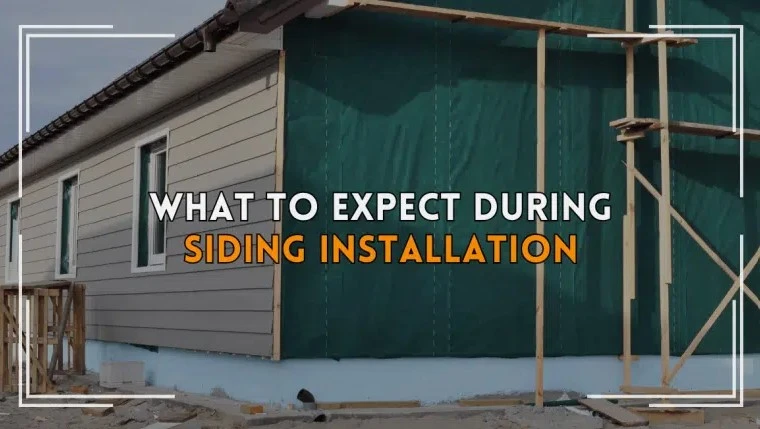

Siding installation is a significant home improvement project that not only improves the exterior appearance of a house, but also adds a protective layer against the elements. Whether it’s a new construction or a replacement project, understanding the steps involved can help homeowners feel more informed and prepared throughout the process. Choosing the best professional siding installation contractors will help you in the smooth transition of your old siding into the new one.
Let’s explore throughout this blog what homeowners should expect during the siding installation process.
8 Steps in the Siding Installation Process
1. Consultation and Site Assessment
The first step of the process starts with thorough consultations and exterior inspections. The assessment process starts with examining the state of current siding while searching for structural problems and recording the total surface dimensions.
During this stage, homeowners share their preferred materials and design preferences with the contractor. After reviewing all details the team prepares both an estimate and schedule for completion.
2. Preparation of the Property
Installation work requires the area surrounding the house to become free from objects and receive protective measures. The installation area needs protection through movement or covering of outdoor furniture and garden decorations and fragile plants.
The project requires installation of ladders and scaffolding with tools to provide safe accessibility. Proper preparation work reduces workspace disturbances while keeping the area tidy and neat.
3. Removal of Existing Siding
The process of replacement projects starts with removing existing siding to reveal the sheathing layer. This reveals hidden damage including mold, mildew or rot which needs to be identified before proceeding. The team identifies structural issues at this point to stop future problems from developing. All waste materials get proper disposal following local waste management laws.
4. Wall Surface Inspection and Repair
The inspection of the underlying wall begins after the old siding removal. The process includes replacement or repair of all damaged sheathing and framing elements. A protective weather barrier gets installed on top of the sheathing to stop moisture and air from entering after the repair work. The secondary defense layer enhances both energy efficiency and durability of the home.
5. Installation of New Siding
The installation of new siding begins after the surface preparation. The installation process follows similar steps for different siding materials yet vinyl requires a different approach than wood and fiber cement and composite. During this step technicians need to maintain precision because it ensures both uniform spacing and secure sealing as well as creating a visually pleasing outcome.
6. Trim, Fascia, and Soffit Installation
Installation of the main siding marks the beginning of additional features, which include trim boards and corner pieces alongside window and door casings, and fascia and soffits. The home’s appearance gets completed through these components which function to direct water flow and prevent pest entry through gaps.
7. Clean-Up and Final Inspection
A complete cleanup operation takes place after the installation process. The property gets cleaned of all leftover materials together with old siding and tools. A final inspection happens to verify proper installation of the siding and to check that all trims and edges are correctly aligned and securely attached. The final inspection guarantees both aesthetic beauty and extended life expectancy of the installation.
8. Maintenance and Warranty Information
The purchase of new siding comes with warranty information with maintenance guidelines. The lifespan of the material, together with its visual appeal, can be extended through regular maintenance practices which include gentle cleaning and periodic inspections. Knowledge about the siding material guides homeowners toward suitable maintenance procedures.
Conclusion
The installation of siding requires multiple sequential steps beyond wall panel attachment because it demands thorough preparation with precise execution and careful attention to details. Understanding the stages of the project allows homeowners to approach their construction projects with greater confidence about project management throughout the entire process.
A properly installed siding system provides both aesthetic value and energy efficiency and structural protection which extends over multiple years. If you’d like to speak with a professional Gaithersburg siding company, contact us at Advantage Home Exteriors for professional siding installation services for a stronger, more beautiful home exterior.
Originally Posted at: Siding Installation



























Sign in to leave a comment.