

Insurance underwriting for commercial properties has changed. In 2026, providers don’t just check your claims history or ask if you have an alarm certificate. They want to know exactly what physical security you’ve got on the ground. And they’re making decisions on premiums sometimes on whether to renew at all – based on those details.
Why now? Three reasons.
First, theft and vandalism claims jumped nearly 18% across the UK in 2025. Second, organised crime has gotten smarter. Some groups now use £30 signal jammers to kill wireless CCTV. Others clone key fobs from 20 metres away. Old tech doesn’t stop them.
Third, courts have started ruling that businesses can be liable if someone gets hurt during a break‑in because security was too weak.
Insurers pay attention to that. So they’ve raised the bar.
What insurers actually check now
Here’s what a standard 2026 risk assessment looks like for most commercial premises. Underwriters have gotten very specific.
- 24/7 live monitoring of entry points – not just recording. Recorded footage is evidence after the fact. Insurers want live eyes. That means someone watching feeds in real time, ready to call the police or a keyholder the second something happens.
- Physical presence during high‑risk hours – overnight, weekends, public holidays. If your business is empty from 10 pm to 6 am, many policies now demand documented proof that a guard was there for at least part of that window. One logistics firm near Leeds saw its premium drop 22% just by adding a guard for Friday and Saturday nights.
- Police‑response alarm systems – audible‑only doesn’t cut it anymore. If your alarm makes noise but no signal reaches a police‑approved response centre, most insurers treat your site as effectively unprotected. Upgrading to a Grade 3 or Grade 4 system (BS 8243 compliant) has become standard advice.
- Recent third‑party security audits – you can’t just fill out your own checklist. Insurers want a signed, dated assessment from an independent firm. Without that, underwriters assume there are gaps.
Why manned guarding matters more now
Manned guarding has moved from a “nice to have” to a common requirement in many 2026 policies. Insurers argue that a uniform guard provides three things that cameras and sensors cannot achieve on their own:
Here’s what a uniformed guard gives you that cameras don’t:
- Immediate deterrence – someone casing your property sees a guard and moves on. Data from the SIA suggests that visible patrol cuts attempted intrusions by roughly two‑thirds.
- Real‑time intervention – a camera records a break‑in. A guard stops it. That difference affects claim sizes. Prevention saves insurers money, so they reward it.
- Verifiable documentation – guards write reports. They log rounds, note unusual activity, and timestamp everything. When an insurer asks “Did you follow your own security plan?” that paper trail is your answer.
Some providers have started applying premium hikes of 25–40% for businesses without a manned guarding contract in higher‑risk sectors. A few have declined renewal. One underwriter told a broker I know: “No guard, no quote.”
Your postcode won’t save you
Here’s something that catches people out. Insurers still look at crime stats by postcode. But in 2026, they will also share security data between themselves. If three warehouses on your industrial estate got hit last year, your whole area’s risk score goes up – even if your own locks and cameras are fine.
That feels unfair. But it’s how the system works now. The only way to override a bad area score is to prove your site is the exception. That means documented, verified security that’s better than what your neighbours have.
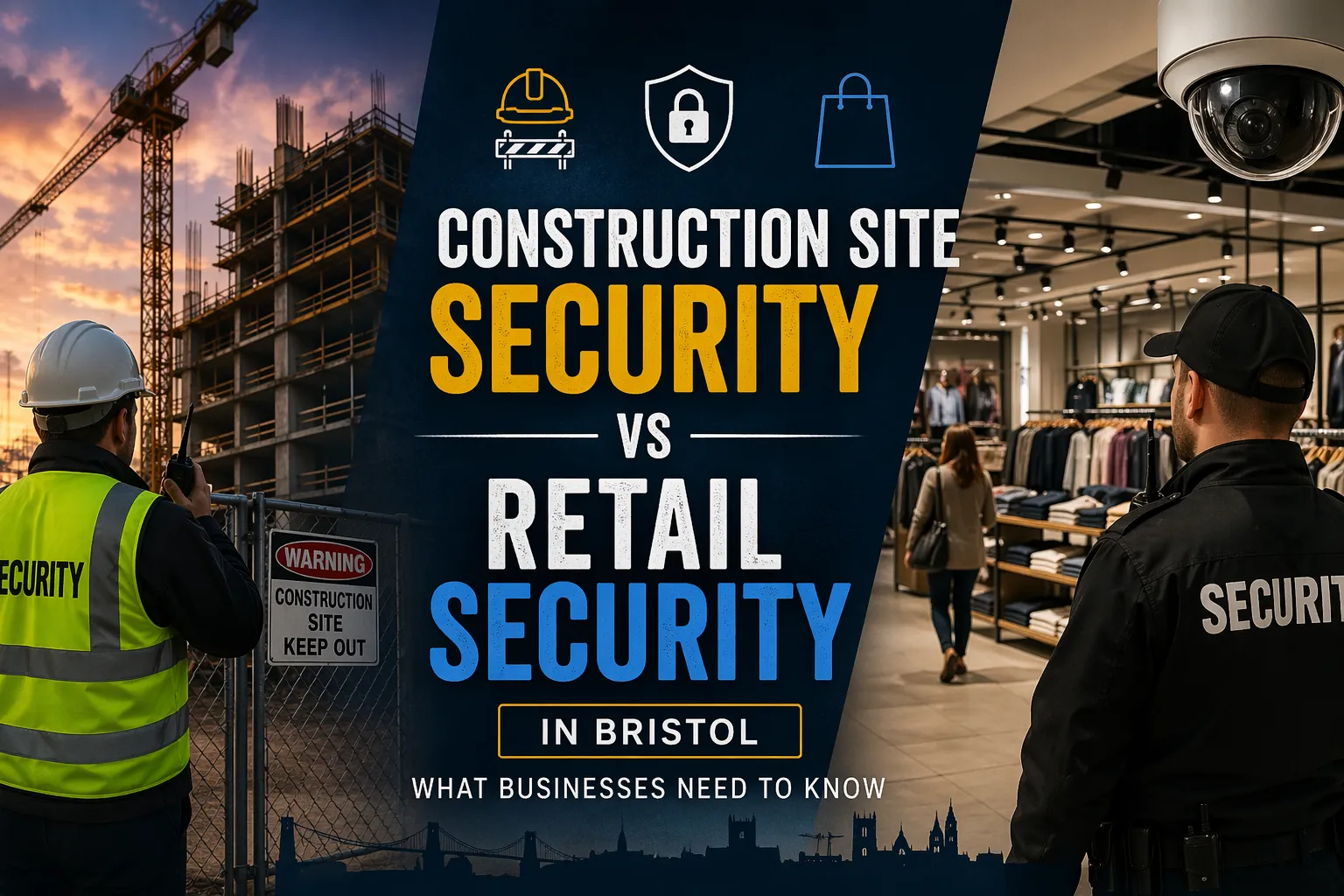
Many business owners now work with a specialist, such as a security company in Bristol, to install verified guarding and produce audit‑ready reports. Those reports go straight to underwriters.
What to do before your renewal lands
You don’t need to spend a fortune. But you do need to act before the renewal notice arrives – not after.
- Ask your insurer for their 2026 security checklist. They won’t volunteer it. Ask in writing. Keep a copy.
- Pay for a formal site survey from an independent security firm. Not the person who installed your intercom. Someone with no conflict of interest. Get a dated, signed report.
- Add manned guarding for your riskiest hours. Even 8 hours a week – say, Saturday night into Sunday morning – changes your risk profile. Start small. Expand if insurers ask for more.
- Photograph every access point, lock, and camera on the same day. Timestamp the images. Store them with your audit report. Visual proof matters.
- Ask your guarding provider for weekly digital logs – not paper scribbles. Email‑formatted logs you can forward to your broker. Underwriters like those.
Start this process at least 60 days before your renewal. Last‑minute upgrades look reactive. Insurers want to see sustained compliance.
A quick summary
Insurance in 2026 is not about ticking boxes. Providers want verified, human‑led security where risk is highest. Manned guarding has become a standard expectation, not a luxury. Businesses that invest in proper, documented security, including support from a recognised security company Bristol, are getting better terms. Those that don’t are facing higher costs or trouble finding cover at all.
Get a professional assessment before your next renewal. One site visit could save you thousands.

























Sign in to leave a comment.