

You’re going to hear a lot about the Internet of Behavior (IoB) in the years ahead. It just started to crop up as a term in the mainstream in 2021 and 2022, but developments in technology are going to super-power it into 2023 and beyond. With good reason, too; the organisations that successfully capitalised on the potential of IoB will find themselves in a highly competitive position.
What is IoB?
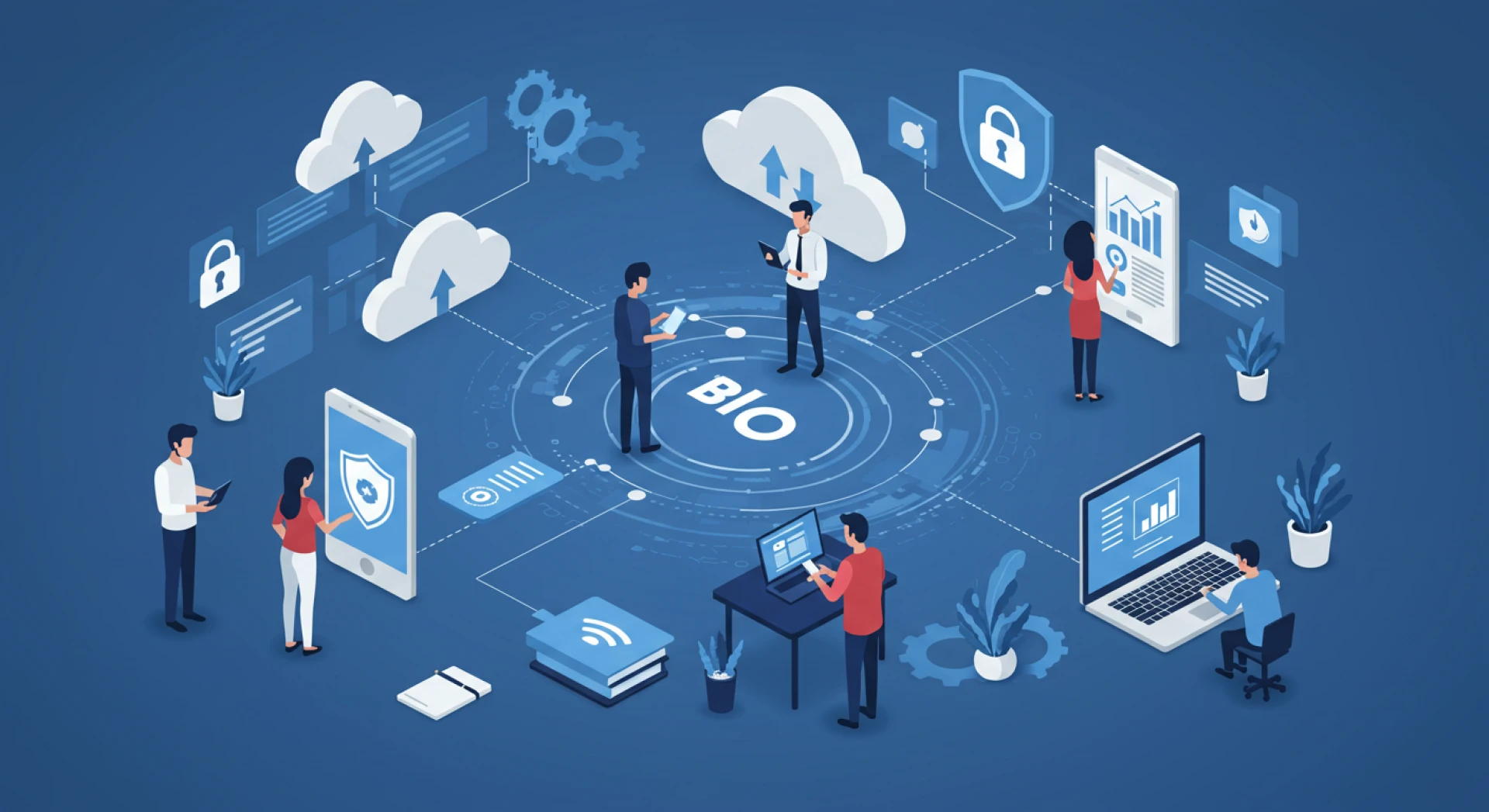
Of course, to capitalise on IoB, you need to first understand what it is. IoB emerged from IoT – the Internet of Things – which has been a phenomenon across businesses over the past few years. The idea of IoT is that everything is connected to the Internet – from the phones and computers right through to the lightbulbs, security systems and even the coffee machine.
Thanks to the IoT, the amount of data being gathered is unprecedented. Consider your humble watch. Once it was simply a device that told you the time. Now it collects data on your health, helps you track where you’ve travelled in a day, and provides you advice on an optimal workout.
Then consider how insurance companies are now offering tailored plans based on the data collected by these devices. You might get a discount on your plan if you commit to walking a certain number of steps per day. There’s a dark side to this too, with people expressing concern that the data might be used to deny health insurance claims. Whether that becomes the case or not, the point is that the data is being used to perform analytics and, though that, run a better business – providing more accurate health care and better predicting what a person might cost an insurance agency. This is IoB.
IoB is, basically, the application of analytics and behavioral sciences, using the data collected by IoT devices. It is the “next step” in taking IoT, and making full advantage of it. By collecting so much data, across so many devices and customers, IoB offers businesses an almost unprecedented level of understanding about what motivates the customer and how to best present the business to them.
To break down and simplify this, IoT is the “dumb” technology that collects the data. IoB is the “smart” technology that uses the data to improve outcomes. Businesses will invest in IoT first and then, when they’re ready to take the next step, will invest in turning the IoT environment into an IoB one.
What are the advantages of IoB?
The single biggest advantage of IoB is that it will superpower the customer experience. Businesses will know so much about each customer that they will be able to provide highly tailored experiences to them, at an individual level. IoB will tell the business what specials will resonate best with the customer. It will also know the right time to communicate with the customer and, if something has gone wrong, the best pathway to a smooth reparation.
In summary, IoB will:
- Provide real-time notifications, both to the customer and the business (for example, the store will know when a valued customer walks through the doors, and why they have come to the store, even if the customer hasn’t yet vocalised it).
- Allow for perfectly targeted advertisements and promos (the business will know that a customer is lactose-intolerant so will instead serve up ads for specials on oat milk).
- Understand how the customer moves around the store (allowing the store to be better laid out to maximise the visibility of the highest value goods).
- Help the business understand what it is about the business that customers value. This data can be particularly useful in building a digital presence, by properly focusing keywords and understanding how to engage over social media.
How hard is it to get started with IoB?
As soon as you’ve got an IoT environment, you’re all set to start with IoB. All you need to do is make sure that you’re collecting, storing, archiving and databasing the data that is captured from the IoT devices. From there it’s time to call a data scientist in to work out what the data is telling you, and what you should do based on that message.
You do need a fairly robust Internet environment to run IoT and IoB. Your Internet service needs to be able to handle a massive number of devices connected simultaneously, with a lot of data passing up and down the chain. The good news is that a solid fibre connection will be sufficient at that, with the added benefit that IoT and IoB runs best when latency is kept low, and that’s one of the major benefits of fibre.
This sounds like IoB is a security risk?
After 2022 was the year of high-profile data breaches, concerns over data security, among both consumer and government, are running justifiably high. IoB does run a security risk if it is poorly managed. After all, if you can build such a complete and comprehensive picture of a customer based on the data you have of them, so too can a criminal, and if the data involves sensitive information (such as their health info), then losing that data exposes them to a lot of risk.
However, the likes of Google, Amazon and Facebook have that much data on users (if not more). It’s core to their business model, and they grapple with it, so while there are security concerns, this is more a case that businesses need to find a solution to mitigate the risks, rather than allow it to dissuade them from embracing the technology. There are plenty of security solutions on the market that can help.
Major analyst firm, Gartner, sees IoB as a critical technology of the future. The businesses that thrive in the years ahead are the ones that best understand their customers, and IoB will be the best pathway to that understanding. With most forward-thinking businesses already investing in IoT, IoB is a natural next step forward in the year ahead.

























Sign in to leave a comment.