
The heart's rhythm is controlled by a natural electrical system that ensures blood is pumped efficiently throughout the body. When this electrical system does not function properly, the heart may beat too slowly, irregularly, or even pause unexpectedly. Such conditions can lead to dizziness, fatigue, fainting, shortness of breath, and reduced quality of life. Fortunately, modern cardiac care offers effective solutions, with pacemaker implantation being one of the most reliable treatments for abnormal heart rhythms.
If your doctor has recommended a pacemaker operation in UAE, it is important to choose a healthcare provider with extensive experience in cardiac electrophysiology. The Heart.ae offers comprehensive diagnosis, advanced cardiac technology, and personalized treatment plans for patients requiring pacemaker implantation. Under the care of the best electrophysiologist in Abu Dhabi, patients benefit from precise diagnosis, expert procedures, and continuous follow-up care designed to restore normal heart rhythm and improve long-term heart health.
Understanding a Pacemaker
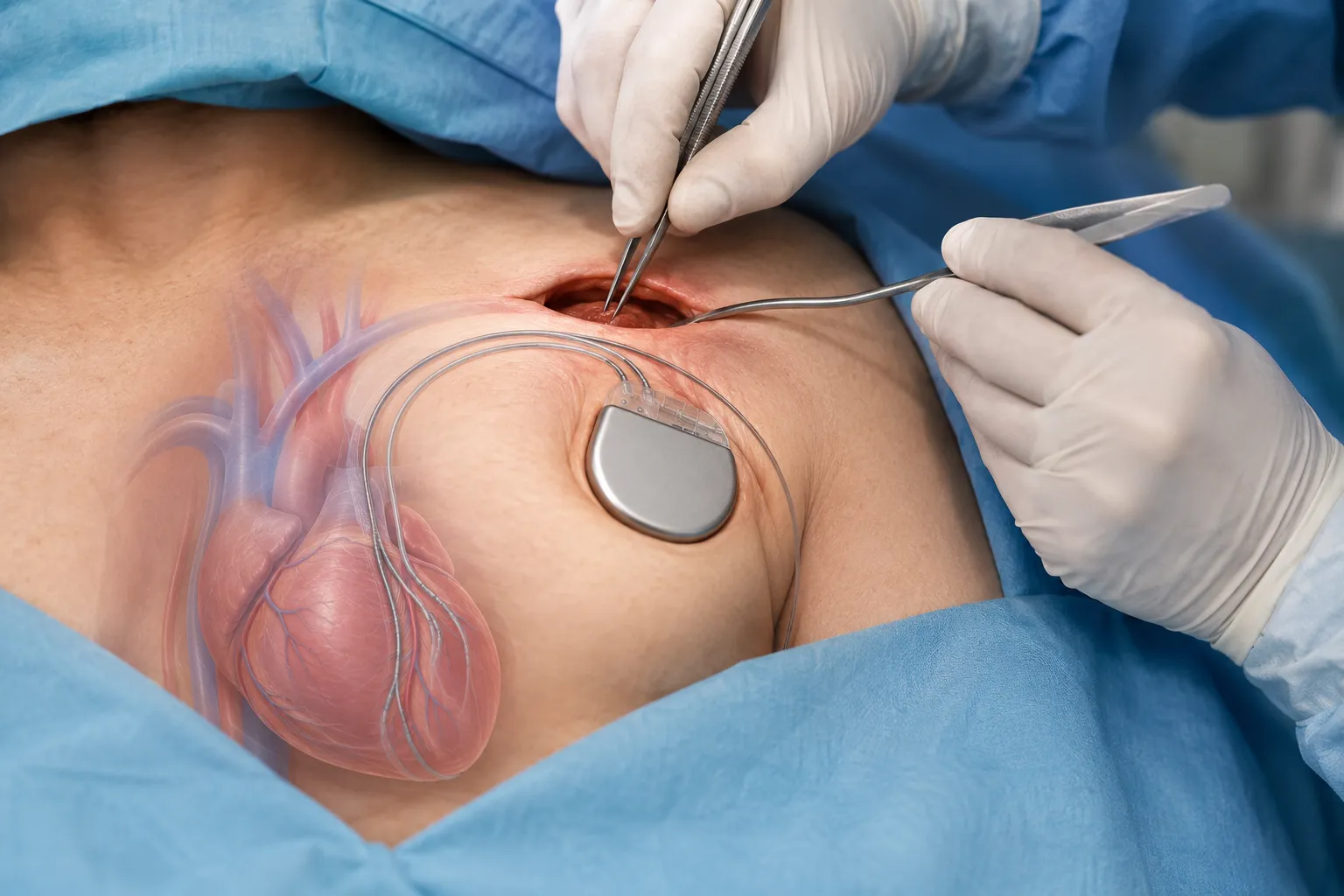
A pacemaker is a small, battery-powered medical device that helps regulate the heartbeat. It sends gentle electrical impulses to the heart whenever it detects that the heart is beating too slowly or irregularly. The device is implanted beneath the skin, usually near the collarbone, and connected to the heart through thin insulated wires called leads.
Modern pacemakers are highly advanced and continuously monitor heart activity. They deliver electrical stimulation only when necessary, allowing the heart to maintain a healthy rhythm while enabling patients to continue their normal daily activities.
When Is a Pacemaker Needed?
Doctors may recommend a pacemaker for several heart rhythm disorders, including:
- Bradycardia (abnormally slow heart rate)
- Heart block
- Sick sinus syndrome
- Certain types of atrial arrhythmias
- Congenital electrical conduction disorders
- Slow heart rhythms following heart surgery
Patients with these conditions often experience symptoms such as unexplained fatigue, dizziness, fainting, chest discomfort, reduced exercise capacity, or episodes of confusion due to decreased blood flow to the brain.
How Is the Condition Diagnosed?
Before recommending a pacemaker, cardiologists perform a comprehensive evaluation. Diagnostic tests may include:
- Electrocardiogram (ECG)
- Holter monitoring
- Event recorder
- Echocardiogram
- Exercise stress testing
- Blood investigations
- Electrophysiology assessment when required
A detailed diagnosis helps determine the exact cause of the abnormal heart rhythm and whether pacemaker implantation is the most appropriate treatment.
What Happens During Pacemaker Implantation?
A pacemaker implantation is considered a minimally invasive cardiac procedure. It is generally performed under local anesthesia with light sedation.
During the procedure, the cardiologist carefully inserts one or more leads through a vein into the heart using real-time X-ray guidance. These leads are then connected to the pacemaker generator, which is placed beneath the skin in the upper chest.
Once implanted, the device is tested thoroughly to ensure it is functioning correctly before the small incision is closed. Most procedures are completed within one to two hours, depending on the complexity of the case.
Recovery After Pacemaker Surgery
Recovery following pacemaker implantation is usually smooth. Most patients are discharged within a day, although this may vary depending on individual health conditions.
Patients are advised to:
- Keep the incision clean and dry.
- Avoid lifting heavy objects for several weeks.
- Limit excessive arm movement on the side of implantation.
- Attend scheduled follow-up appointments.
- Take prescribed medications as directed.
- Report any swelling, redness, fever, or discomfort to their doctor.
Most individuals gradually return to their normal routine within a few weeks while enjoying significant improvement in symptoms.
Living with a Pacemaker
Having a pacemaker does not prevent people from leading active and fulfilling lives. Most patients can return to work, travel, exercise, and participate in daily activities after receiving medical clearance.
Regular pacemaker check-ups are important to monitor battery life and device performance. Today's pacemakers are designed to last many years and often include remote monitoring capabilities, allowing physicians to assess device function without requiring frequent hospital visits.
Patients should also maintain a heart-healthy lifestyle by:
- Eating a balanced diet
- Exercising regularly as advised
- Controlling blood pressure and diabetes
- Avoiding tobacco products
- Limiting alcohol intake
- Managing stress effectively
- Following regular cardiac evaluations
Why Expertise Matters
Pacemaker implantation requires specialized knowledge of the heart's electrical system. Choosing an experienced electrophysiologist ensures accurate diagnosis, precise device placement, optimal programming, and long-term monitoring.
The Heart.ae is committed to providing comprehensive cardiac rhythm management using advanced diagnostic tools and evidence-based treatment protocols. Every patient receives individualized care tailored to their specific heart condition and overall health.
The experienced cardiac team carefully evaluates each case to recommend the most appropriate pacemaker system while ensuring patient safety and comfort throughout the treatment journey.
Why Choose The Heart.ae?
The Heart.ae is dedicated to delivering world-class cardiac care with a patient-centered approach. The clinic combines advanced technology, modern treatment techniques, and compassionate care to provide outstanding outcomes for individuals with heart rhythm disorders.
Patients benefit from:
- Comprehensive cardiac rhythm evaluation
- Advanced pacemaker implantation procedures
- State-of-the-art diagnostic technology
- Personalized treatment planning
- Continuous device monitoring
- Long-term follow-up care
- Experienced cardiac electrophysiology specialists
Every stage of treatment—from diagnosis to recovery—is designed to provide safe, effective, and personalized care.
Conclusion
Heart rhythm disorders should never be ignored, as they can significantly affect overall health and quality of life. Early diagnosis and timely treatment help prevent complications while allowing patients to resume normal activities with greater confidence.
If you have been advised to undergo a pacemaker operation in UAE, seeking treatment from the best electrophysiologist in Abu Dhabi can make a meaningful difference in your care and long-term outcomes. At The Heart.ae, patients receive advanced cardiac rhythm management, expert pacemaker implantation, and ongoing support focused on improving heart health, restoring confidence, and enhancing quality of life.



























Sign in to leave a comment.