
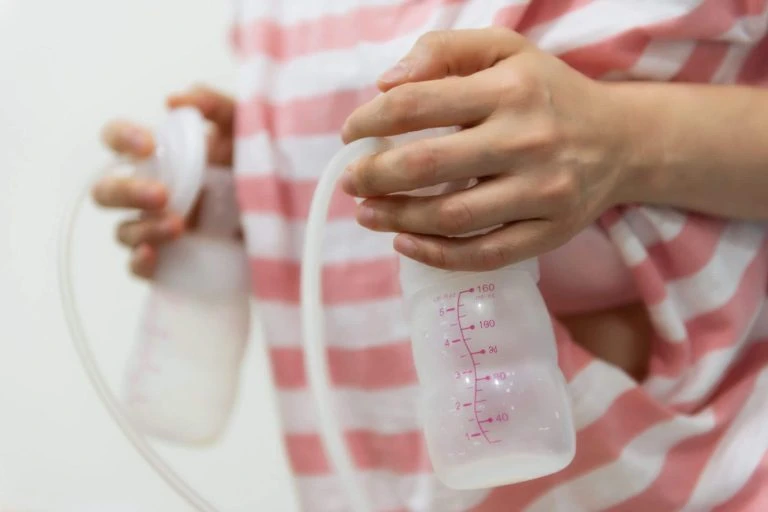
The birth of a premature baby brings a unique set of challenges, not least of which is the critical importance of nutrition to support their vulnerable development. In this scenario, donor breast milk emerges as a vital resource, offering a lifeline to these tiny fighters.
This blog delves into the significance of donor breast milk for premature babies, exploring its benefits, the process behind it, and why it stands as a cornerstone in neonatal care.
Understanding Donor Breast Milk
The Nutritional Powerhouse
For premature babies, who are born before their bodies are fully developed, the right nutrition is not just important—it\'s essential. Donor breast milk is rich in the perfect blend of vitamins, minerals, enzymes, and antibodies. It\'s specifically designed by nature to support the development of newborns, with a particular emphasis on the needs of those who arrive early. Its composition helps in building a premature baby\'s immune system, which is crucial for their survival and long-term health.
Beyond Nutrition: The Immune Boost
Donor breast milk carries more than just nutritional benefits; it\'s packed with live cells and antibodies that help protect premature babies from infections and diseases. This is particularly important for these infants, whose immune systems are not yet mature enough to fight off pathogens on their own. By providing them with this external line of defense, donor breast milk significantly reduces the risk of severe infections, such as necrotizing enterocolitis (NEC), a dangerous gut condition primarily seen in premature infants.
The Role of Milk Banks
Milk banks play a pivotal role in the process of providing donor breast milk to premature babies. These banks carefully screen, collect, process, and distribute breast milk donated by lactating mothers who have undergone thorough health screenings. This ensures that the milk is safe and retains its high-quality nutrients and immune properties after pasteurization.
The Journey of Donor Breast Milk
Rigorous Screening and Safety Measures
The journey of donor breast milk from a generous donor to a needy infant involves several critical steps to ensure safety and quality. Donors are meticulously screened for any health issues, and their milk is tested to ensure it\'s free from contaminants and harmful substances. This thorough process guarantees that the milk is not only nutritious but also safe for the fragile digestive systems of premature babies.
Pasteurization: Safeguarding Nutrients and Health
One of the most crucial steps in the process of preparing donor breast milk is pasteurization. This method carefully eliminates potentially harmful bacteria and viruses without significantly diminishing the milk\'s nutritional and immunological value. The result is pasteurized donor human milk that maintains its life-supporting qualities, ready to support the growth and health of premature babies.
The Impact of Donor Breast Milk on Neonatal Care
Supporting Growth and Development
The impact of donor breast milk on the growth and development of premature babies cannot be overstated. Studies have consistently shown that premature babies fed with breast milk have better outcomes in terms of weight gain, brain development, and overall health compared to those who receive alternative forms of nutrition. This makes donor breast milk not just a feeding option but a critical intervention for improving the survival rates and quality of life of these vulnerable infants.
Filling the Gap When Mothers Can\'t Provide Milk
There are various reasons why a mother might not be able to provide her own breast milk, including health complications, the stress of having a baby in the NICU, or the baby being born significantly early. In these situations, pasteurized donor human milk stands as a crucial alternative, ensuring that premature babies still receive the best possible start in life, despite the challenges they face from the outset.
Conclusion:
Donor breast milk, especially when pasteurized, is more than just food; it\'s a vital resource that supports the health, growth, and development of premature babies. Through the generosity of donors and the meticulous process employed by milk banks, this precious resource offers a beacon of hope for families navigating the challenging journey of prematurity. As awareness and support for milk banking grow, more premature babies worldwide will have access to this lifeline, underscoring the importance of donor breast milk in neonatal care.


























Sign in to leave a comment.