

Why Is Magnesium (Salt) Making Me Jittery and Anxious?
Magnesium is often praised as a “calming mineral.” Many people use it to support relaxation, better sleep, and reduce muscle tension. However, some individuals are surprised when magnesium supplements, especially magnesium salts, cause the opposite effect — jitteriness, anxiety, rapid heartbeat, or restlessness.
If you’ve asked, “Why is magnesium making me anxious?” you are not alone. Understanding the reason requires looking deeper into types of magnesium, your gut absorption, nervous system chemistry, and how your body regulates minerals.

In this guide, written in a clear and practical approach by Top Health Coach, you’ll learn:
- Why magnesium can cause anxiety for some people
- Which forms of magnesium are more calming
- Why dose and timing matters
- When to avoid specific magnesium types
- The best alternative forms like magnesium glycinate
- Daily Health Tips to make magnesium work for you, not against you
Understanding Magnesium and the Nervous System
Magnesium plays a major role in calming the nervous system. It:
- Regulates stress hormones like cortisol
- Helps muscles relax
- Supports nervous system signaling
- Is needed for proper sleep chemistry (melatonin & GABA)
Because magnesium is so tied to stress response, when the balance is off, the body reacts quickly.
The Most Common Reason Magnesium Makes You Jittery
1. You May Be Taking the Wrong Type of Magnesium
Not all magnesium is the same. Some forms absorb quickly and stimulate the digestive system or nervous system. Others are slow, gentle, and calming.
Forms that commonly cause jitters, anxiety, diarrhea, or racing heartbeat:
Type of MagnesiumWhat It DoesPossible Side EffectsMagnesium CitrateStrong laxative effectJitters, loose stool, stomach upsetMagnesium OxidePoor absorptionCramping, no calming effectMagnesium ChlorideCan stimulate gut receptorsRestlessness in sensitive peopleEpsom Salt (Magnesium Sulfate)Absorbs via skin but varies widelyOver-relaxation → rebound anxiety
These forms can overstimulate the nervous system instead of calming it.
2. Choose the Most Calming Form Instead: bold this → magnesium glycinate
The most gentle, calming, and sleep-supportive form is magnesium glycinate.
Why?
Because glycine (the other part of the molecule) is also calming. It supports GABA, the brain's main relaxing neurotransmitter.
So when you use magnesium glycinate, your nervous system feels soothed — not wired.
3. You May Have Taken Too Much
More is not better with magnesium.
Taking large doses (especially at once) can:
- Drop blood pressure too fast → causing a shaky feeling
- Over-relax muscles → leading to weakness
- Trigger adrenaline release → resulting in anxiety
Start with:
100–200 mg per day, not 400–800 mg.
Increase slowly over 3–5 days if needed.
4. You Took It on an Empty Stomach
Taking magnesium without food can speed up absorption. This may overstimulate the nervous system.
To prevent this:
✔ Always take magnesium after a meal, not before.
5. Your Body Is Low in Other Minerals
Magnesium works with:
- Calcium
- Sodium
- Potassium
If these are out of balance, you may feel jittery, anxious, or lightheaded.
Example:
If potassium is low and you take magnesium, your heart may beat harder instead of calmer.
Drinking coconut water or eating a banana alongside magnesium often fixes this instantly.
6. Your Stress Hormones Are Already Elevated
If your nervous system is already overstimulated due to:
- Lack of sleep
- Emotional stress
- High caffeine intake
- Chronic dehydration
Magnesium can push your body into a release mode, causing adrenaline-like symptoms temporarily.
This is NOT dangerous — but uncomfortable.
The key is slow and gentle dosing.
Signs Magnesium Is Not Working Well With Your Body
- Restlessness after taking a dose
- Chest tightness or rapid heartbeat
- Anxiety or heightened emotional sensitivity
- Stomach cramping or diarrhea
- Feeling “wired but tired”
If this happens, switch your magnesium type and reduce the dose.
Best Way to Take Magnesium for Calm & Sleep
StepAction1Choose magnesium glycinate2Take it after dinner3Use 100–200 mg slow release4Drink a glass of water with it5Pair with breathing or relaxation techniques
Daily Health Tips to Make Magnesium Calming
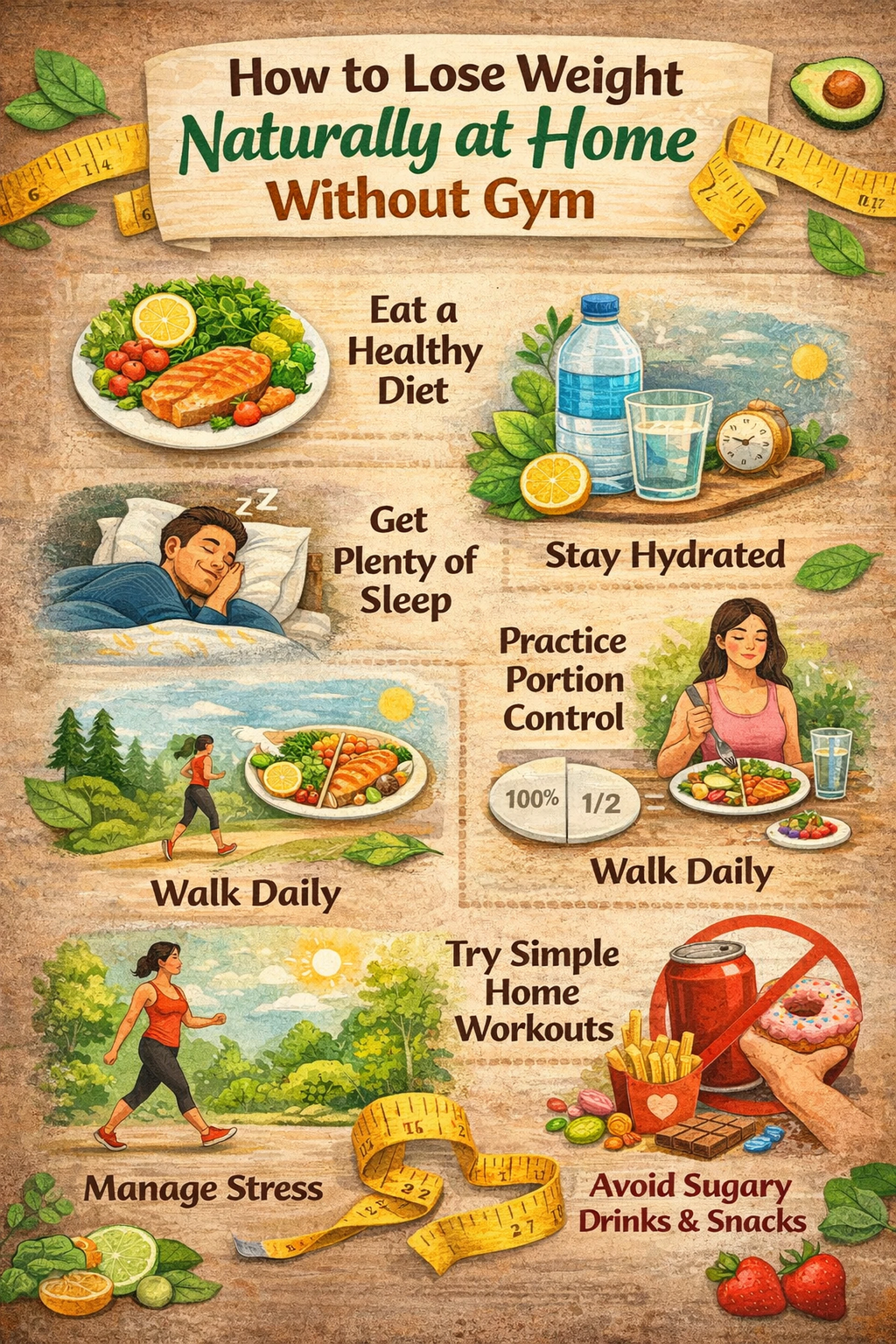
- Drink at least 2–2.5 liters of water daily
- Reduce caffeine after 12 PM
- Add a potassium-rich food: orange, coconut water, banana, avocado
- Take slow, deep belly breaths for 5 minutes before bed
- Avoid phone screens 1 hour before sleep
- Move your body every day — walking counts!
These Daily Health Tips help your magnesium work efficiently and support a balanced nervous system.
When to See a Doctor
You should consult a healthcare provider if you experience:
- Persistent chest pain
- Irregular heartbeat that does not settle
- Severe diarrhea or dehydration
- Chronic anxiety that does not improve
FAQ Section
1. Why does magnesium make me feel more anxious instead of calm?
You may be using a stimulating form (like citrate or oxide) or taking too high a dose. Switch to magnesium glycinate and take it with food.
2. Is magnesium safe for anxiety?
Yes, especially magnesium glycinate, which supports calming neurotransmitters in the brain.
3. How long does it take for magnesium to work?
Most people notice benefits within 5–14 days of consistent use.
4. Can I take magnesium with anxiety medication?
Usually yes, but always check with your doctor to avoid interactions.
5. Can I stop magnesium if it makes me jittery?
Yes. Reduce dose or switch to magnesium glycinate and reintroduce slowly.
Final Thoughts
Magnesium can be a powerful mineral for stress relief — but only when the right form, dose, and timing are used. Many people unknowingly take forms that can overstimulate the nervous system.
To avoid anxiety and jitteriness, choose magnesium glycinate, increase slowly, take it with food, and follow Daily Health Tips that support mineral balance.
If you're unsure where to start, working with a certified professional like Top Health Coach can help tailor magnesium use to your body’s needs.

































Sign in to leave a comment.