
Pet birds are joyful, intelligent companions — but they are also surprisingly fragile when it comes to health. Many bird owners rush to the vet only to hear the same thing: "Your bird's diet is the problem." The truth is, most common health issues in pet birds — from feather plucking to weak immunity — are directly linked to poor nutrition and improper care.
If you've been wondering why your bird seems lethargic, loses feathers, or constantly falls sick, this guide will walk you through the real reasons and what you can do about it.
The Hidden Crisis in Most Pet Bird Diets
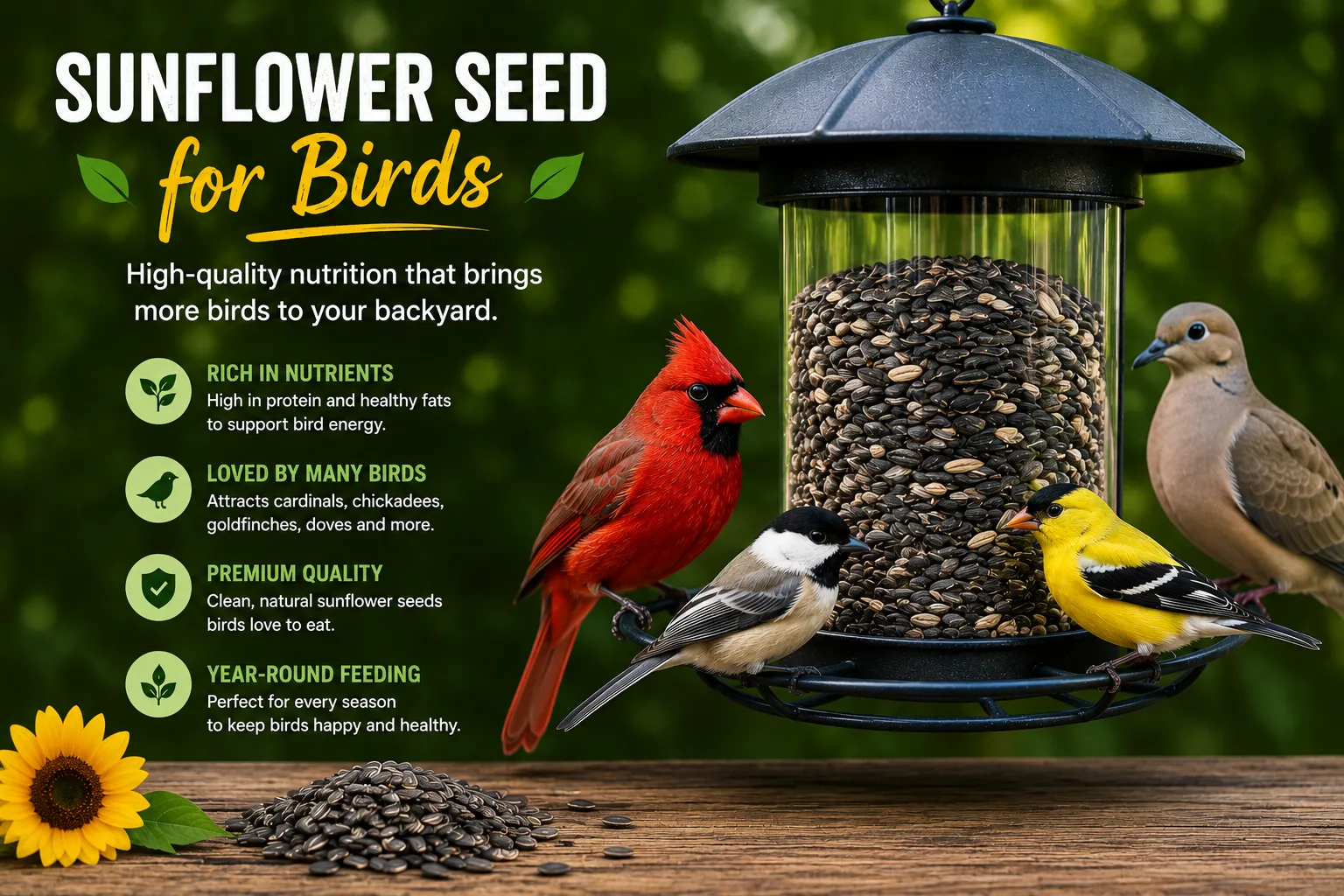
One of the biggest mistakes bird owners make is feeding their pets an all-seed diet. Seeds are tasty for birds — much like chips are tasty for humans — but they are high in fat and dangerously low in essential vitamins, minerals, and amino acids.
A bird living on seeds alone is slowly becoming malnourished, even if it looks fine on the outside.
Here are the most common diet-related health problems in pet birds:
1. Vitamin A Deficiency This is one of the most widespread nutritional problems in pet birds. Symptoms include nasal discharge, swollen eyes, breathing problems, and a weakened immune system. Birds that eat only seeds almost never get enough Vitamin A.
2. Feather Destructive Behavior (FDB) Many owners think their bird plucks feathers out of boredom. While stress can play a role, nutritional deficiencies — particularly in protein, amino acids, and essential fatty acids — are a leading cause of feather problems and abnormal molting.
3. Obesity and Fatty Liver Disease High-fat seed mixes lead to obesity over time, which causes fatty liver disease — a serious, life-threatening condition. Birds with this problem often become inactive, gain visible fat deposits, and have discolored beaks or nails.
4. Calcium and Phosphorus Imbalance This is especially dangerous for breeding birds and egg-laying females. Without the right balance of calcium, hens can suffer from egg binding — a painful and often fatal condition where an egg gets stuck inside the bird.
5. Weak Feathers and Poor Molt Molting is a natural process, but when a bird's diet is lacking in protein and key nutrients, the new feathers that grow in are brittle, discolored, or deformed.
What Does a Nutritionally Complete Bird Diet Actually Look Like?
A balanced diet for pet birds should include:
- Formulated pellets or granules — These are nutritionally complete and designed to replace seed as the primary food source. They contain balanced vitamins, minerals, and amino acids in every bite.
- Fresh vegetables and fruits — Leafy greens, carrots, bell peppers, and berries provide natural sources of vitamins and antioxidants.
- Limited seeds — Seeds are best used as occasional treats or for training, not as a dietary staple.
- Clean, fresh water — Changed daily. Birds are sensitive to bacteria that grow quickly in water bowls.
- Supplements when needed — Especially during molting, breeding season, or recovery from illness.
Switching a bird from seeds to a healthier diet takes patience. Start by mixing a small amount of pellets or granules with their regular food, and gradually increase the ratio over a few weeks. Never force the switch overnight — this can cause stress and food refusal.
Choosing the Right Food Brand: What to Look For
Not all pet bird food is created equal. When choosing a food product for your bird, look for these key criteria:
- Scientifically formulated recipes backed by avian nutritional research
- No artificial colors or preservatives
- Species-specific formulas — a cockatiel has different needs than a macaw or a canary
- Transparent ingredient lists with real, identifiable ingredients
One brand that consistently meets these standards is HARI (Hagen Avicultural Research Institute). HARI was founded by aviculturists who work directly with live birds in controlled environments, meaning their products are tested on real birds — not just developed in a lab. Their product lines like Tropican and Tropimix are designed with species-specific nutrition in mind and have been trusted by avian vets and breeders for decades.
However, regardless of brand, the key is to move toward a formulated diet and away from pure seed dependency.
Beyond Food: Other Factors That Affect Bird Health
Nutrition is critical, but it is not the only factor. Here are other things that commonly cause health problems in pet birds:
Lack of UV Light Birds need natural sunlight or full-spectrum UV lighting to properly metabolize Vitamin D3 and calcium. Indoor birds kept away from windows can become deficient even if they eat well.
Poor Air Quality Birds have extremely sensitive respiratory systems. Non-stick (PTFE) cookware fumes, scented candles, aerosol sprays, and cigarette smoke can be lethal to birds. Always ensure good ventilation in the room where your bird lives.
Stress and Social Isolation Birds are highly social animals. Prolonged loneliness, lack of mental stimulation, or environmental stressors can suppress their immune system, making them more susceptible to illness.
Irregular Vet Visits Many bird owners don't visit an avian vet until their bird is visibly sick. By then, the condition is often advanced. Annual wellness checkups with a certified avian vet can catch problems early.
When to See a Vet Immediately
Take your bird to an avian vet right away if you notice:
- Fluffed feathers and sitting at the bottom of the cage
- Discharge from the eyes or nostrils
- Labored or open-mouth breathing
- Sudden weight loss
- Regurgitation (not to be confused with normal courtship regurgitation)
- Blood in droppings or unusual droppings color/consistency
Birds are prey animals by instinct, which means they hide illness until they can no longer do so. By the time a bird looks visibly sick, the condition is often already serious.
Final Thoughts
Keeping a pet bird healthy is not complicated — but it does require moving past outdated habits like all-seed diets and neglecting environmental factors. Start with nutrition, upgrade to a scientifically formulated diet, provide proper lighting and clean air, and schedule regular vet visits.
A healthy bird is an active, vocal, curious bird. If yours is anything less, it's time to take a closer look at what's going on — and nutrition is almost always the best place to start.














Sign in to leave a comment.