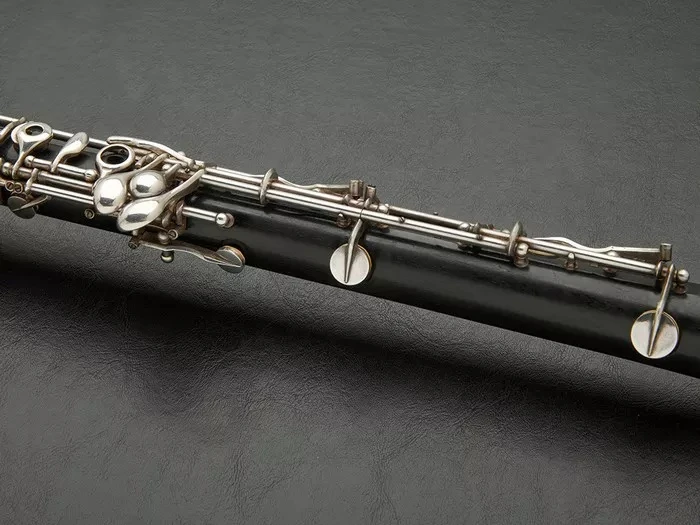

The English Horn occupies a unique and indispensable position within the orchestral family. Though closely related to the oboe, it possesses a darker, warmer, and more introspective tone that composers have relied upon for centuries to convey depth, melancholy, pastoral beauty, and emotional complexity. The importance of the English Horn in orchestral repertoire is not accidental; it stems from its tonal characteristics, expressive range, historical development, and symbolic associations within Western art music.
Often described as the emotional counterpart to the oboe, the English Horn has become essential precisely because it expands the expressive palette of the orchestra. Its sound bridges the gap between woodwinds and lower strings, providing a voice that is both lyrical and reflective.
Understanding the English Horn as an Instrument
Construction and Tonal Characteristics
The English Horn, also known as the cor anglais, is pitched a perfect fifth lower than the oboe. Its longer body and distinctive pear-shaped bell, known as the bulb or Liebesfuß, contribute significantly to its mellow timbre. Unlike the oboe’s bright and penetrating tone, the English Horn produces a sound that is rich, veiled, and resonant.
This tonal difference allows the instrument to inhabit emotional spaces that other woodwinds cannot easily reach. The English Horn excels in sustained melodic lines, slow tempos, and expressive solos that demand warmth rather than brilliance. Its tone often evokes introspection, nostalgia, or pastoral calm, making it especially effective in lyrical orchestral writing.
Technical Capabilities and Expressive Range
Despite its somber reputation, the English Horn is technically versatile. It can execute agile passages, dynamic contrasts, and nuanced phrasing when required. However, composers most often exploit its singing quality rather than virtuosity. The instrument’s natural register favors mid-range and lower tones, which lend themselves to expressive cantabile lines.
The English Horn’s ability to sustain long phrases with subtle dynamic shaping contributes to its essential role in orchestral textures. It often carries melodic material that requires emotional gravity without overwhelming the ensemble.
Historical Development of the English Horn in Orchestral Music
Early Appearances and Baroque Roots
The English Horn began to appear in orchestral contexts during the Baroque period, though it was not yet a standardized instrument. Early forms were used sparingly, often to add color or contrast rather than to serve as a primary melodic voice. As orchestral writing evolved, composers recognized the potential of lower-pitched oboes to enrich their soundscapes.
By the Classical era, the English Horn had gained greater recognition, though its role remained specialized. Its gradual inclusion reflected growing interest in timbral variety and expressive nuance within orchestral composition.
Romantic Era Expansion and Canonical Status
The Romantic period marked a turning point for the English Horn. Composers increasingly sought instruments capable of conveying deep emotion, longing, and introspection. The English Horn proved ideal for these expressive aims, leading to its frequent use in symphonic and operatic repertoire.
During this era, the instrument achieved canonical status through iconic solos that became inseparable from the works themselves. These passages demonstrated that the English Horn was not merely a coloristic addition but a vital expressive voice within the orchestra.
The English Horn as an Emotional Storyteller
Association with Melancholy and Reflection
One of the primary reasons the English Horn is considered essential lies in its strong emotional associations. Its tone naturally suggests melancholy, solitude, and introspection. Composers often assign it themes that represent longing, loss, or inner reflection.
This association has become deeply ingrained in orchestral language. Audiences frequently recognize the English Horn as a signal of emotional depth, allowing composers to communicate complex feelings with remarkable efficiency.
Pastoral and Nostalgic Imagery
Beyond melancholy, the English Horn is closely linked to pastoral imagery. Its warm, reedy sound evokes landscapes, nature, and a sense of timelessness. In orchestral works depicting rural life, memory, or distance, the English Horn often serves as a musical narrator.
This connection to nature and nostalgia enhances its indispensability. Few other instruments can convey serenity and yearning simultaneously with the same authenticity.
The Role of the English Horn in Orchestral Texture
Blending and Contrast Within the Ensemble
The English Horn plays a crucial role in shaping orchestral texture. Its timbre blends seamlessly with strings, particularly violas and cellos, while also providing contrast to brighter woodwinds such as flutes and oboes. This dual function allows composers to use it as both a unifying and contrasting element.
In orchestration, the English Horn often acts as a bridge between sections. It can soften transitions, deepen harmonic color, or highlight melodic material without dominating the overall sound.
Supporting Harmony and Inner Voices
While renowned for its solos, the English Horn also contributes significantly to inner harmonies. Its placement in the mid-lower register allows it to reinforce harmonic progressions subtly. When used in this capacity, it adds warmth and depth to orchestral chords.
This harmonic support enhances the richness of the ensemble, making the English Horn valuable even when it is not featured prominently.
Iconic English Horn Solos in Orchestral Repertoire
Defining Moments in Symphonic Literature
Several of the most memorable moments in orchestral music rely on the English Horn. These solos often occur at emotionally pivotal points, underscoring transitions, revelations, or moments of stillness. The instrument’s ability to command attention without force makes it ideal for such passages.
These iconic solos have shaped listeners’ expectations and reinforced the English Horn’s status as an essential orchestral voice. Removing or substituting the instrument in these contexts would fundamentally alter the character of the music.
Operatic and Programmatic Significance
In opera and programmatic works, the English Horn frequently represents specific characters, emotions, or settings. Its sound can suggest distance, memory, or introspection, making it a powerful tool for musical storytelling.
This symbolic use further elevates the instrument’s importance. The English Horn does not merely play notes; it communicates meaning within a dramatic framework.
The English Horn in Modern and Contemporary Orchestration
Continued Relevance in Twentieth-Century Music
Despite changes in musical style, the English Horn has retained its relevance in modern orchestral writing. Composers of the twentieth century continued to exploit its expressive qualities, integrating it into new harmonic languages and textures.
Its adaptability allows it to function effectively in both tonal and atonal contexts. Whether conveying lyricism or contributing to complex soundscapes, the English Horn remains a trusted expressive resource.
Educational and Professional Expectations
In professional orchestras, the presence of an English Horn player is considered standard. Oboists are typically expected to double on the instrument, reflecting its consistent demand across repertoire. This expectation underscores its essential status within orchestral practice.
From conservatory training to professional performance, mastery of the English Horn is viewed as a necessary extension of woodwind expertise.
Symbolism and Cultural Significance
A Voice of Humanity and Introspection
Over time, the English Horn has acquired symbolic meaning beyond its technical function. Its sound often represents humanity, vulnerability, and emotional honesty within large-scale works. In massive orchestral textures, the English Horn can sound intimate and personal, creating moments of connection between music and listener.
This symbolic role enhances its indispensability. The instrument provides emotional balance, reminding audiences of individual experience within collective expression.
Enduring Appeal Across Audiences
The English Horn’s appeal transcends musical training. Even listeners without technical knowledge often respond instinctively to its sound. This emotional immediacy helps explain why composers continue to rely on it and why audiences recognize its significance.
Its ability to communicate directly and deeply ensures its continued presence in orchestral repertoire.
Conclusion: Why the English Horn Remains Essential
The English Horn is considered essential in orchestral repertoire because it fulfills roles that no other instrument can replicate with equal effectiveness. Its distinctive tone, emotional depth, historical importance, and symbolic resonance make it indispensable to orchestral expression. From lyrical solos to harmonic support, from pastoral imagery to introspective reflection, the English Horn enriches the orchestra in profound and lasting ways.
Its enduring presence across centuries of musical development confirms its value not as a novelty, but as a core voice within the orchestral tradition.































Sign in to leave a comment.