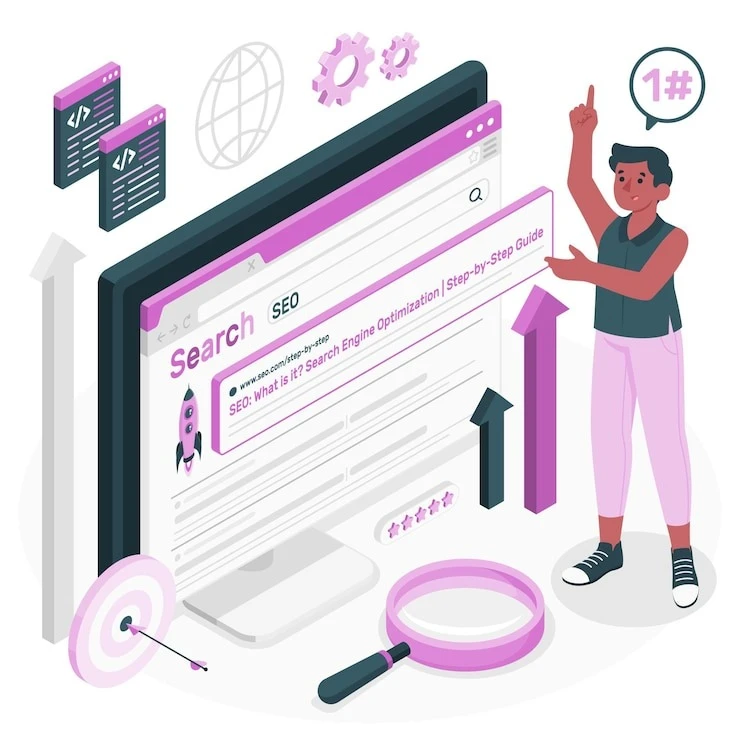

One morning, you eagerly check your website's search rankings, only to discover a sudden overnight plummet! Shock and panic seize you as you attempt to unravel the mystery behind your rankings' sudden decline.
Many factors can contribute to a gradual drop in a website's Google ranking over time. Understanding the most common causes empowers you to address and resolve the issue.
A sudden decline in organic search engine rankings is a source of immense frustration for companies and website owners. This issue is prevalent in the SEO industry.Pinpointing the exact cause of a sudden drop in Google rankings poses a challenge. Various factors, such as alterations in search engine algorithms, marketing issues, and even manual penalties from Google, can contribute to this decline. Fortunately, you can take steps to identify the root cause of the problem. Below, explore some of the most common reasons for a sudden drop in your Google ranking and learn how to identify them.
1. Outdated Content
Failing to update content regularly is a leading cause of the decrease in Google rankings. Search engines like Google prioritize websites that offer valuable, current, and pertinent content. If your website hasn't seen new content additions in a while, it may be reflected in a drop in your ranking. To address this issue, incorporate a consistent content creation schedule into your website maintenance plan, and consider leveraging a professional content marketing agency to enhance your strategy.
2. Search Engine Algorithms Change
Constantly changing and evolving search engine algorithms can lead to ranking fluctuations. To ascertain if this is the root of your issue, monitor industry news and SEO forums for updates that could impact your site.
3. Obsolete Coding and Design Elements
Outdated coding and design elements are another prevalent cause of subpar Google rankings. Websites employing obsolete technologies or methods may face penalties and lower rankings on Google. To ensure your website stays current and optimized for search engines, maintain up-to-date code and embrace the latest technology.
4. Technical Issues
Technical issues like broken links, slow page loads, or server errors can lead to a drop in your ranking. We will perform a technical audit of your site to address this matter.
5. Manual Penalties
A recent drop in rankings might be attributed to a manual penalty from Google. To verify this, examine Google Search Console to determine if the action has been directly applied to your website.
6. Competitors
Your ranking might experience a sudden drop if your competitors are making headway in the SERPs. To address this concern, analyze your SEO strategy compared to your competitors and identify areas where you can gain a competitive edge.
7. Off-Page Negative SEO
Negative SEO seeks to decrease the ranking of a competitor's website in search engine results. These activities typically involve deliberately creating spam, generating unnatural links to sites, scraping content, and even hacking sites. Although successful negative SEO attacks are rare, when they occur, they can result in significant drops in rankings for numerous keywords. It's advisable to manually inspect each one before rejecting suspicious backlinks. If the identified negative SEO attack is linked to backlinks, initiate contact with the owner of the connecting domain and request the removal of toxic backlinks. If that proves ineffective, utilize Google's custom opt-out tool to disavow spam links.
Read More: Tips for Exciting and Entertaining Content Creation
8. Link Structure
Ultimately, your low ranking on Google can be significantly influenced by the link structure. Search engines rely on links to navigate web pages, and if your site exhibits a poor link structure or contains too many broken links, your ranking may decline. Regularly inspect your website for broken links, and promptly replace them with functional links when identified.
Another factor that could impact your ranking is Google altering its search engine results pages, which occurs weekly. There remains a possibility that Google might begin responding to certain queries directly from the search results.
Recently, Google has been progressively expanding its search results, incorporating knowledge panels, rich snippets, Q&A sections, video clips, product pages, job postings, and more. While these additions benefit users, they can have a negative impact on organic search results. To determine if your rankings have been affected by these enhancements, access Rank Tracker and navigate to Target Keywords > Rank Tracking > SERP Analysis. The dashboard provides a history of your SERP improvements, allowing you to correlate them with your ranking changes. If you suspect that a new SERP feature has influenced your position, utilize structured data to enhance your snippets and compete with or integrate into the array of features Google offers.
In the event of a sudden drop in your Google ranking, it is crucial to analyze the issue and identify its root cause. By employing the appropriate approach and conducting a thorough investigation, you can uncover the underlying issue and work towards restoring your ranking.
Experiencing a decline in Google rankings might raise valid concerns, but the cause may not be immediately apparent. Before addressing a drop in Google ranking, it is crucial to determine if your ranking indeed plummeted overnight. How can you achieve this?
Utilize Google Analytics to assess the weekly deviation in your average traffic over the last 6-12 months. Additionally, examine your Google rankings and organic search traffic through Google Search Console. If there is a significant drop in traffic, it indicates a genuine problem that requires immediate action to prevent further traffic loss.
Google updates its search algorithms daily and issues significant updates nearly every month. These updates can impact all websites, even if no changes have been made to your site. While some of these Google updates may result in positive reviews (albeit rarely), they often lead to a temporary decline in ratings.
Regrettably, there is little anyone can do to control these updates. The most effective way to reduce the impact of your site's downgrade is to consistently update your content and monitor your competitors to ensure your site offers more valuable information to end users.
Conclusion
If your website is mysteriously absent from search results, several factors may contribute, including technical issues, outdated content, or algorithmic changes. Conduct a thorough analysis using tools like Google Analytics and Search Console to identify and address issues promptly. For optimal visibility, consider seeking assistance from a reputable software development company in India, ensuring your website aligns with current search engine requirements and user expectations.

























Sign in to leave a comment.