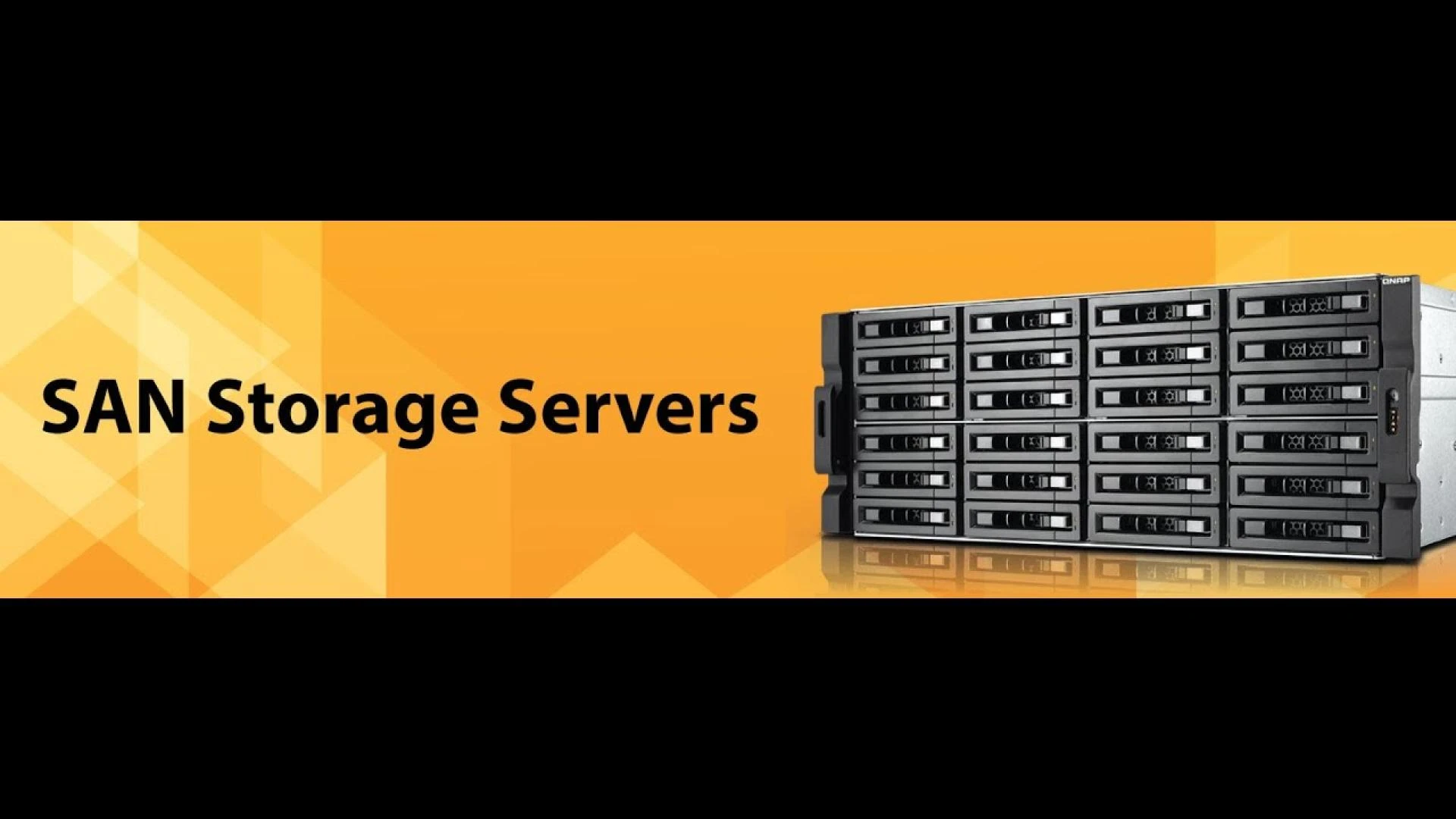

Managing IT infrastructure today means balancing performance, uptime, and growth, all while under constant pressure to deliver more with fewer resources. Users expect fast, reliable applications and zero downtime, while your business depends on data that’s always available and secure. One outage can cost trust, and one lost file can halt operations.
That’s why IT leaders continue to rely on SAN storage, a proven foundation for data reliability and performance. By connecting servers to shared storage through a dedicated high-speed network, SAN systems ensure consistent availability, rapid recovery, and scalable growth without complexity.
From redundancy and low-latency performance to seamless scaling and built-in security, SAN storage offers a dependable way to meet today’s uptime goals and tomorrow’s demands.
The sections ahead explore five practical reasons why SAN remains the trusted choice for IT managers.
1. It Ensures Uptime With Redundancy
Downtime hurts teams, timelines, and trust. You plan for storms before clouds show up, and SAN storage supports that plan with real redundancy. Dual controllers ensure uninterrupted I/O operation even if one fails.
- Multipath I/O sends traffic through two or more network paths, so a switch issue does not block apps.
- RAID groups spread data across multiple drives and keep it safe in the event of a disk failure.
- Advanced arrays add proactive rebuilds, hot spares, and fast parity to cut rebuild stress on the system.
This stack of protection works together, giving you confidence to schedule maintenance while still meeting service goals. You stay in control, even during hardware swaps, firmware updates, or planned cutovers.
2. It Delivers Steady, Low-Latency Performance
Users judge apps by speed and consistency. A fast page one minute and a slow one the next still feels broken. San storage helps you deliver steady, low-latency service because it uses a dedicated fabric for storage traffic. This fabric avoids noisy neighbors that often cause hiccups on shared LANs.
- Fibre Channel and NVMe over Fabrics keep queues short and I/O tight.
- Quality of Service tools set fair limits and protect key workloads from sudden spikes.
- Tiering places hot data on faster media and cold data on larger drives, so you balance cost and speed with simple rules.
- Cache and write coalescing also smooths random patterns from busy apps.
These tools help you meet SLAs without relying on guesswork. You don’t fight the network all day. You plan capacity with clean signals and real headroom.
3. It Scales Capacity Without Disruption
Growth rarely waits for perfect timing. Projects land, data piles up, and teams need more space. San storage lets you scale without chaos. You can add shelves, expand pools, and grow LUNs while apps keep running. Thin provisioning grants space on demand, not all at once, so you avoid waste and keep budgets in line.
- You can add faster media and rebalance tiers without stopping services.
- Non-disruptive microcode updates keep features fresh while users stay productive.
- Clear telemetry highlights hot spots before they become pain, so you plan upgrades at your pace.
This approach gives you simple, safe growth and faster delivery for new projects.
4. It Speeds Backups and Fast Recovery
Backups matter when recovery works quickly. You need short windows, clear restore points, and simple runbooks. San storage helps by using snapshots, clones, and replication that play well with apps.
- Snapshots capture a point in time with very low impact, so backups run fast and do not slow the day’s work.
- Application-aware tools quiesce databases, which gives clean restores without guesswork.
- Clones power test and dev, patch checks, and quick data validation, all without touching production.
- Replication sends copies to another site or cloud, so you cut risk from local issues and set tight RPO and RTO targets.
You can also back up snapshots to object storage to protect against attacks or accidental data loss. When trouble hits, instant restores bring volumes back online within minutes.
5. It Strengthens Security and Compliance Controls
Trust grows when security stands firm. San storage adds strong controls that help you meet policy and pass audits. Role-based access limits who can see and change volumes. LUN masking and zoning keep hosts in their lanes, which blocks stray writes and risky cross-talk.
Encryption at rest protects data on drives, while encryption in flight secures traffic across the fabric. Immutable snapshots and write-once options block tampering, so you can recover clean copies after a ransomware hit. Detailed logs track changes and access, which helps you prove control to auditors and find issues fast. Integration with key managers, identity systems, and backup tools keeps the whole stack in sync. These features protect sensitive records and reduce fines and noise when checks come due.
Conclusion
Your day runs smoother when storage does its job without drama. San storage supports that calm with redundancy, steady performance, simple growth, fast protection, strong recovery, and tight security.
You focus on service goals, not constant firefights. Your team ships features. Your users feel speed and stability. These wins add up because the platform treats reliability as a system, not as a hope. You gain tools that work together and grow with your needs.
If a part fails, service holds. If loads spike, latency stays in check. If a threat emerges, clean copies and controls help you recover quickly. That is why so many IT managers count on this foundation.
Choose paths that scale with your next year, not just this week. With that mindset, your data stays ready when everyone needs it most.



























Sign in to leave a comment.