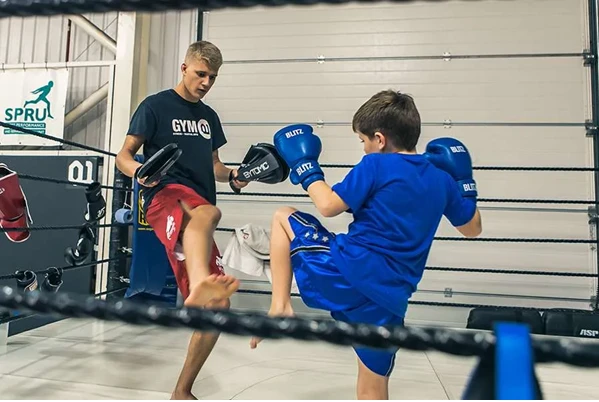

In an age where children have countless activities vying for their attention, finding the right one can be challenging. Junior kickboxing classes have surged in popularity as a dynamic and beneficial option for active kids. Beyond physical exercise, these classes offer numerous advantages that contribute to a child’s overall development. This article explores why enrolling your child in a junior kickboxing class is a smart move, combining fitness, discipline, and fun in one empowering package.
Physical Benefits: Boosting Fitness and Coordination
Kickboxing is an excellent full-body workout tailored to children’s energy levels and capabilities. Junior kickboxing classes improve cardiovascular health, strength, and flexibility. The fast-paced nature of the sport enhances coordination, balance, and agility, which are critical for overall physical development.
Regular participation helps children develop stamina and endurance while promoting a healthy lifestyle from an early age. Active kids benefit from the engaging routines that keep them moving and motivated, reducing the risk of sedentary habits.
Mental and Emotional Growth: Building Confidence and Discipline
Junior kickboxing isn’t just about physical fitness; it fosters essential mental and emotional skills. Children learn discipline through structured training sessions and goal-setting, which translates into better focus and self-control in daily life.
The sport teaches respect for instructors and peers, encouraging a positive mindset and teamwork. As kids progress and master new techniques, their self-esteem soars, empowering them to tackle challenges both inside and outside the gym.
Social Skills Development: Making Friends and Learning Teamwork
Joining a junior kickboxing class provides a vibrant social environment where kids meet peers with similar interests. This interaction promotes communication skills, camaraderie, and mutual respect.
Through partner drills and group activities, children learn the importance of cooperation and supporting one another. This social engagement is particularly valuable in helping shy or introverted kids build friendships and improve their social confidence.
Safety and Self-Defence : Equipping Kids with Practical Skills
Safety is a top priority in junior kickboxing classes. Certified instructors ensure that training is age-appropriate and conducted in a controlled environment. Kids learn how to protect themselves effectively without promoting aggression.
The self-defence techniques taught boost awareness and help children develop a sense of security. This knowledge equips them to handle potentially risky situations calmly and confidently, giving parents peace of mind.
Fun and Motivation: Keeping Kids Engaged and Excited
One of the standout reasons to choose junior kickboxing is the fun factor. Classes are designed to be enjoyable, blending physical activity with games, challenges, and rewards. This approach keeps kids motivated and eager to attend regularly.
The variety of techniques, from punches to kicks, and the dynamic pace ensure that boredom is never an issue. Fun activities encourage consistent participation, which is crucial for long-term benefits.
Conclusion
Enrolling your child in a junior kickboxing class is a smart decision that offers far-reaching benefits. From enhancing physical fitness and mental discipline to improving social skills and personal safety, kickboxing provides a holistic approach to childhood development. Active kids gain not only strength and agility but also confidence, respect, and lifelong skills.
For parents seeking a structured, safe, and engaging activity, junior kickboxing classes stand out as an excellent choice. Investing in this dynamic sport helps children thrive physically, mentally, and socially, setting them up for a healthy, balanced future.





























Sign in to leave a comment.