

There’s a stillness that arrives just before dawn, a thin moment when the world hasn’t fully woken and the mind hasn’t yet rushed forward into its noise. I’ve always felt that this quiet space holds more truth than most days ever reveal. It’s as if something inside us finally has room to breathe.
And I’ve learned, over years of competing, traveling, studying human performance, and working as The Metamorphosis Coach, that clarity doesn’t come from effort. It comes from space.
Leaders who meditate aren’t more gifted or more disciplined—they’re simply more connected to that inner space, the one most people abandon as soon as life demands something from them. When decisions grow heavy, when the pace of business accelerates, when the stakes rise, meditation becomes the place where the mind reorganizes itself and remembers who it is.
And that changes everything.

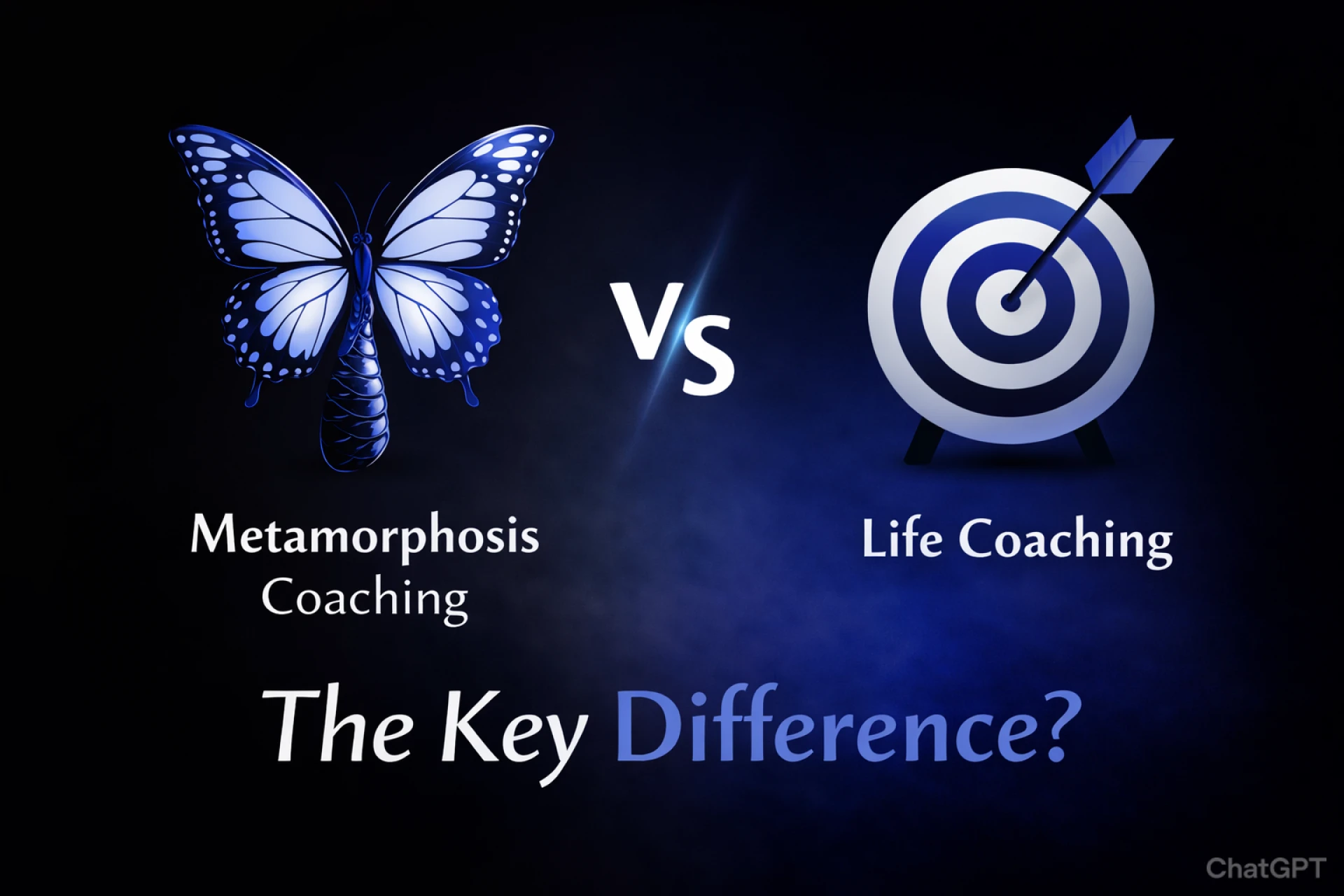
At the beginning of any deep inner work, whether someone comes through Mindfulness Meditation Coaching, metamorphosis coaching, or simply searching for a better way to navigate life, I often ask a simple question:
“How much space do you give yourself before you choose your next step?”
Most people hesitate.
Most realize the answer is: not much at all.
The Moment I Learned How Quickly the Mind Can Collapse
More than two decades ago, long before I studied performance psychology or supported leaders around the world, I stood on a tennis court in Bukhara, Uzbekistan. I had just beaten Janko Tipsarevic in the semifinals and was preparing for yet another final against John Van Lottum. John and I were friends off the court—he was someone I could talk to for hours about life, meaning, or the strange path of an athlete. But during a match, he could unravel you with a single sentence.
I had beaten him before by staying composed, staying grounded, staying in my center. But that day, the heat, the exhaustion, and something quieter inside me all converged. His remarks—sharp enough to sting, timed perfectly to destabilize—found a crack I didn’t know was there.
At first, I ignored them. But bit by bit, they slipped into my mind and rearranged my focus. Frustration rose. My breath shortened. The match tightened around me until I wasn’t playing my game anymore—I was reacting to his.
And then I lost.
For a long time, I carried that moment as failure. Later, I realized it was a lesson I would eventually teach others. That day wasn’t about tennis. It was about the invisible gap between stimulus and response—the small inner space where your decisions are born.
Meditation, years later, helped me understand what I had lacked in Bukhara: inner spaciousness, the ability to feel the emotional storm without becoming part of it.
Without that space, pressure wins. With that space, you return to yourself.
Why Meditation Changes Leadership at Its Core
Meditation doesn’t turn you into someone else. It returns you to who you were before stress took over. Leaders who meditate consistently show three qualities that shape every decision they make:
1. They respond instead of react
The world moves fast. Pressure moves faster. When your mind is crowded, decisions come from fear, tension, or urgency. Meditation clears that inner fog and gives breath back to the moment.
2. They see patterns others miss
Meditation sharpens awareness. You begin to notice emotional triggers, team dynamics, and subtle shifts in energy before they turn into problems.
3. They stay anchored in uncertainty
When pressure hits, a grounded nervous system becomes an advantage. Meditation teaches your body how to stay steady even when the path ahead isn’t clear.
These are not spiritual luxuries—they’re practical leadership tools.
Even the most advanced Business Strategy Tools can’t compensate for a leader who makes choices from a reactive mind.
Lessons That Continue to Guide My Work as a Metamorphosis Coach
The lessons from that day in Bukhara still serve as pillars in my metamorphosis coaching work, especially with leaders who struggle under pressure.
The problem was never the opponent. It was my reaction.
Meditation strengthens the gap between what happens and what you choose to do with it.
Emotional non-reactivity is trainable.
You don’t need to avoid conflict. You need to stay centered inside it.
Mental fatigue destroys clarity.
Meditation resets the mind in ways caffeine or discipline never will.
You absorb energy you don’t protect yourself from.
Meditation becomes a filter—a boundary made of awareness.
Sometimes you need to lose something to learn what you were missing.
Growth rarely comes packaged as victory.
A Leader’s Inner Storm and How Meditation Softens It
Many of the people who come to me through Business Coaching & Consulting share a common experience:
- They feel responsible for everything.
- Their decisions affect teams, clients, and families.
- Pressure doesn’t come in waves—it stays.
- Their minds run faster than they can slow them down.
- They lack a safe inner space to process what they carry.
Meditation gives them back that space.
Not in a mystical way, but a practical one.
It lowers the internal volume so the deeper voice—the one that knows what is right, needed, or aligned—can finally be heard.
Solutions Leaders Can Use Today
Here are the practices I teach leaders who feel overwhelmed, stuck, or reactive:
1. A 3-minute arrival practice
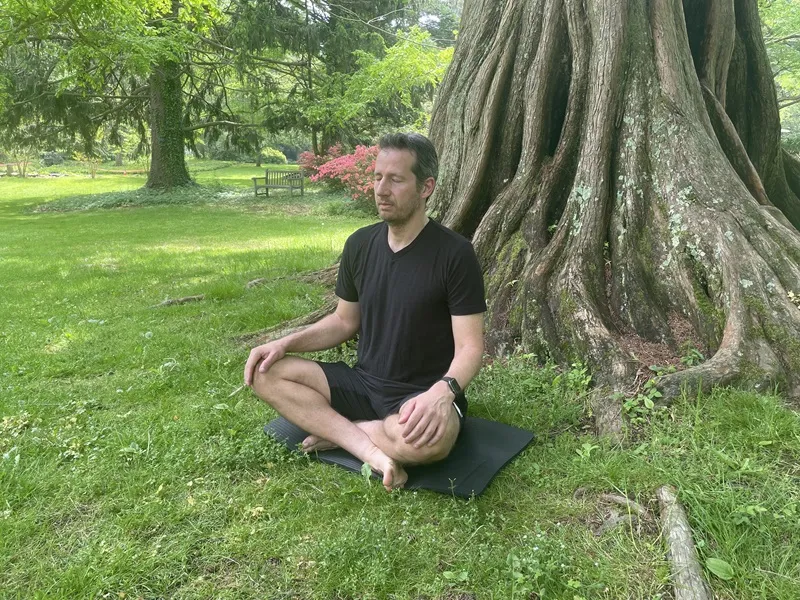
Before any decision, sit, close your eyes, and allow the breath to settle on its own. Don’t force it. Just arrive in the moment.
2. Emotional labeling
When you feel pressure rising, name the emotion gently. “This is fear.” “This is stress.” “This is uncertainty.”
Naming reduces the intensity.
3. Pause before speaking
Silence isn’t weakness. It’s leadership.
4. Body-based grounding
Notice your feet. Notice your breath. Notice one detail in the room.
The mind steadies when the body feels safe.
5. Evening reflection
Ask yourself: “Did I act from my center today, or from my tension?”
Awareness is the first step in transformation.
These aren’t techniques to escape reality. They are ways to stay present inside it.
Two Quotes From My Own Journey
“Clarity begins the moment you stop wrestling with your thoughts and start listening to the silence beneath them.”
— Vasilis
“You make better decisions when you no longer fear the space between your choices.”
— Vasilis
When Leaders Learn to Sit with Themselves, Everything Shifts
Meditation humbles you. It softens the edges. It reveals the places where fear has been making decisions on your behalf. It shows you your patterns, your resistance, your quiet strengths. It teaches you how to trust yourself again.
Leadership without meditation becomes reactive.
Leadership shaped by meditation becomes conscious.
The leaders who grow the fastest aren’t the ones who push harder—they’re the ones who pause, breathe, listen, and allow their inner world to mature.
If there is one thing I’ve learned, from the courts of Uzbekistan to rooms filled with founders, CEOs, athletes, and people searching for direction, it is this:
Decisions made from a calm mind shape a calmer life.
Decisions made from a centered mind shape a stronger future.
Your next step doesn’t need more pressure.
It needs more presence.
FAQs
1. Why does meditation help with decision-making?
Because meditation clears emotional noise, sharpens awareness, and helps you respond instead of react. A calm mind makes more accurate decisions.
2. Does meditation really help with leadership stress?
Yes. Meditation reduces mental overload, helps regulate the nervous system, and gives leaders space to think clearly under pressure.
3. Can meditation improve team communication?
When a leader becomes less reactive, communication naturally becomes more grounded. Teams feel safer and more connected.
4. Is meditation useful for high-performance environments?
Absolutely. Whether in sports or business, meditation strengthens focus, emotional stability, and resilience.
5. How do I begin if my mind feels too busy?
Start small. Three minutes a day. Don’t chase silence. Just sit, breathe, and observe. The clarity will come.





























Sign in to leave a comment.