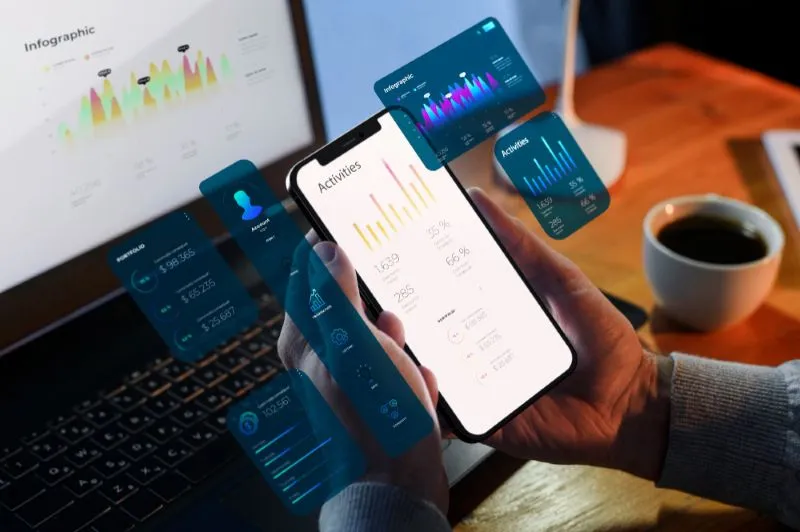

Key takeaway: The sooner you modernize, the faster you grow.
If your business still relies on outdated applications, you’re not alone—but you may be falling behind faster than you think. Legacy systems that once powered growth can quickly become bottlenecks, limiting innovation, slowing operations, and increasing costs. In a digital-first world, businesses that fail to evolve their technology stack risk losing both customers and competitive advantage.

This article breaks down why legacy app modernization is no longer optional. We’ll explore how modernizing your applications fuels scalability, improves performance, enhances security, and ultimately drives sustainable business growth.
What Is Legacy App Modernization?
Legacy app modernization refers to updating or transforming outdated software systems to align with current business needs, technologies, and user expectations. Instead of replacing everything from scratch, companies can rehost, refactor, replatform, or rebuild applications to improve functionality and performance.
At its core, modernization is about making your technology work for your growth—not against it.
Why Legacy Systems Hold Businesses Back
1. Limited Scalability
Legacy applications were not built for today’s dynamic, cloud-driven environments. As your business grows, these systems struggle to handle increased traffic, users, and data.
For example, an eCommerce platform built a decade ago may crash during peak sales periods simply because it wasn’t designed for high concurrency.
2. High Maintenance Costs
Older systems often require constant patching, manual interventions, and specialized skill sets that are becoming harder to find. This leads to:
- Increased operational costs
- Longer downtime
- Reduced efficiency
In many cases, businesses spend more maintaining old systems than they would investing in modernization.
3. Poor User Experience
Today’s users expect fast, seamless, and intuitive digital experiences. Legacy apps often fail to meet these expectations due to:
- Slow load times
- Outdated interfaces
- Limited mobile compatibility
This directly impacts customer satisfaction and retention.
How App Modernization Drives Business Growth
1. Improved Performance and Efficiency
Modern applications are built using optimized architectures such as microservices and cloud-native frameworks. These systems are faster, more reliable, and easier to manage.
By investing in app modernization services, businesses can streamline workflows, reduce downtime, and enhance overall productivity.
2. Enhanced Customer Experience
User experience is a key growth driver. Modernized applications offer:
- Faster response times
- Mobile-first design
- Personalized experiences
For instance, a banking app that upgrades its interface and adds AI-driven recommendations can significantly boost user engagement and loyalty.
3. Better Integration with Modern Technologies
Legacy systems often operate in silos, making it difficult to integrate with modern tools like:
- Artificial Intelligence
- Machine Learning
- Cloud platforms
- APIs and third-party services
Modernization allows seamless integration, enabling businesses to innovate faster and deliver smarter solutions.
4. Stronger Security and Compliance
Outdated applications are more vulnerable to cyber threats due to unsupported frameworks and outdated security protocols.
Modern applications, on the other hand, include:
- Advanced encryption
- Regular security updates
- Compliance with industry standards
This not only protects your business but also builds customer trust.
Key Approaches to Legacy App Modernization
Rehosting (“Lift and Shift”)
Moving applications to the cloud without significant changes. This is quick but offers limited long-term benefits.
Refactoring
Rewriting parts of the application to improve performance and scalability while keeping the core structure intact.
Replatforming
Making minimal changes to optimize the application for a new platform, such as migrating to a cloud environment.
Rebuilding
Completely redesigning the application using modern technologies. This approach delivers maximum value but requires higher investment.
Choosing the right approach depends on your business goals, budget, and technical complexity.
Real-World Example: Retail Transformation
Consider a retail company relying on a legacy inventory management system. The system struggles with real-time updates, leading to stock mismatches and poor customer experience.
After adopting app modernization services, the company:
- Migrated to a cloud-based system
- Integrated real-time inventory tracking
- Enabled mobile access for staff
The result? Faster operations, fewer errors, and a noticeable increase in sales due to improved customer satisfaction.
Signs Your Business Needs App Modernization
Not sure if it’s time to modernize? Here are some clear indicators:
- Your application crashes or slows down frequently
- Maintenance costs are increasing year over year
- Your system cannot integrate with new tools
- Users complain about poor experience
- Security vulnerabilities are becoming a concern
If you’re experiencing even a few of these issues, modernization should be a priority.
Challenges in Modernizing Legacy Applications
While the benefits are clear, modernization does come with challenges:
1. Data Migration Risks
Transferring data from old systems to new platforms can be complex and risky if not handled properly.
2. Downtime Concerns
Businesses fear disruption during the transition phase.
3. Cost Considerations
Initial investment can seem high, especially for large-scale systems.
However, these challenges can be effectively managed with the right strategy and experienced technology partners.
Best Practices for Successful Modernization
To maximize ROI, businesses should follow a structured approach:
Conduct a System Audit
Understand what’s working, what’s not, and what needs improvement.
Define Clear Goals
Are you aiming for better performance, scalability, or user experience? Define priorities early.
Choose the Right Technology Stack
Adopt cloud-native, scalable, and future-ready technologies.
Partner with Experts
Working with experienced providers of app modernization services ensures smoother execution and better outcomes.
Adopt a Phased Approach
Instead of modernizing everything at once, prioritize critical systems and scale gradually.
The Future: Modernization as a Growth Strategy
In 2026 and beyond, digital transformation is no longer a competitive advantage—it’s a baseline expectation. Businesses that continuously evolve their applications will:
- Launch products faster
- Adapt to market changes quickly
- Deliver superior customer experiences
Legacy systems, on the other hand, will only widen the gap between industry leaders and laggards.
Conclusion
Legacy applications may have served your business well in the past, but holding onto them for too long can hinder growth, innovation, and customer satisfaction. Modernizing your applications isn’t just about upgrading technology—it’s about unlocking new opportunities and staying relevant in an ever-evolving market.
If you’re serious about scaling your business, improving efficiency, and delivering exceptional user experiences, now is the time to invest in app modernization.
























Sign in to leave a comment.