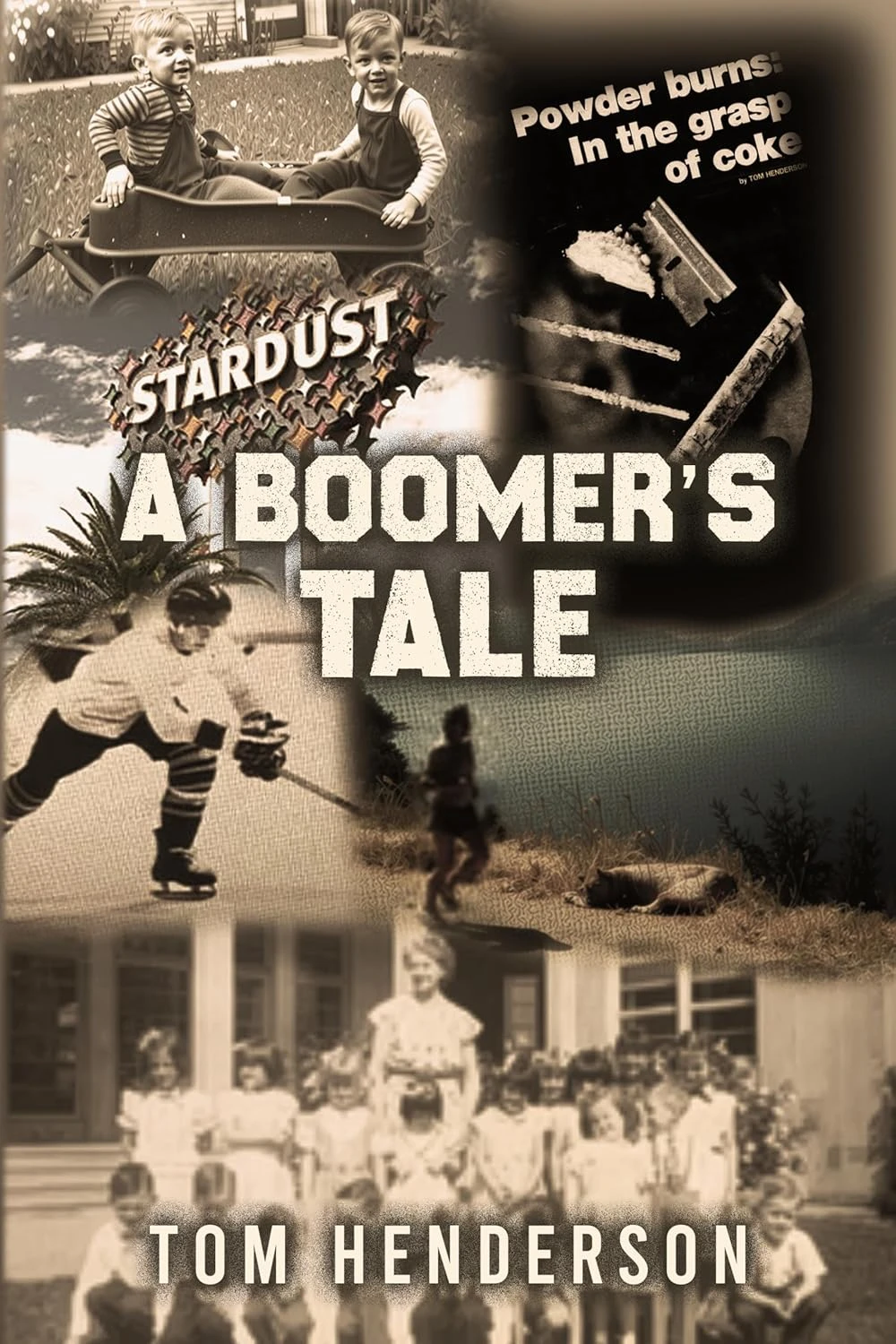

Looking back is often misunderstood. It is mistaken for regret, nostalgia, or getting stuck in the past. In reality, looking back can be an act of survival. It is how people make sense of who they have been, what they have endured, and why certain patterns keep repeating. Without reflection, life keeps moving forward, but understanding does not.
Memory is not just a record of events. It is emotional evidence. It carries the moments that shaped our reactions, fears, and decisions long after the details fade. Many people spend years outrunning their memories, believing distance alone will dull their impact. But unresolved experiences do not disappear. They resurface in behavior, relationships, and choices, often without explanation.
Accountability begins when memory is faced honestly. This does not mean rewriting the past or assigning blame to every mistake. It means acknowledging what happened and how it influenced who we became. It requires admitting where we benefited from luck, where we ignored warning signs, and where we caused harm. Accountability is uncomfortable because it removes excuses, but it is also freeing. It replaces confusion with clarity.
Avoiding the past may feel safer, especially when memories carry shame or pain. But avoidance comes at a cost. When reflection is postponed, growth is delayed. People repeat the same emotional responses, make familiar mistakes, and struggle to understand why change feels so difficult. Survival, in this sense, is not about endurance alone. It is about breaking cycles.
Personal reinvention does not begin with becoming someone new. It begins with understanding who you have been. When memory is examined with compassion and honesty, it creates space for change. Reinvention is not denial. It is integration. It allows people to carry their past without being controlled by it.
In A Boomer’s Tale, Tom Henderson approaches memory as responsibility rather than sentimentality. His reflections show that survival often requires returning to moments we would rather forget, not to relive them, but to finally understand them. The act of looking back becomes a way to reclaim agency over a life shaped by circumstance, ambition, and consequence.
What makes this process deeply human is that it does not demand perfection. It asks for presence. Looking back does not erase mistakes, but it explains them. It allows people to see themselves as complex rather than broken. This understanding softens judgment and strengthens resolve. It also creates empathy, both for oneself and for others navigating similar struggles.
Reinvention is often imagined as dramatic change, but it is usually quieter. It looks like altered priorities, healthier boundaries, and a more honest relationship with self. It means choosing awareness over autopilot. The past does not vanish in this process. It becomes context instead of a shadow.
There is courage in looking back. It requires sitting with discomfort and resisting the urge to rush toward distraction. But that courage pays off. Reflection transforms memory into instruction rather than burden. It turns accountability into choice rather than punishment.
Through A Boomer’s Tale, Tom Henderson reminds readers that survival is not just about making it through difficult chapters. It is about having the courage to reread them, understand them, and then move forward differently. Looking back, when done honestly, is not weakness. It is how a life regains direction, meaning, and the possibility of renewal.

























Sign in to leave a comment.