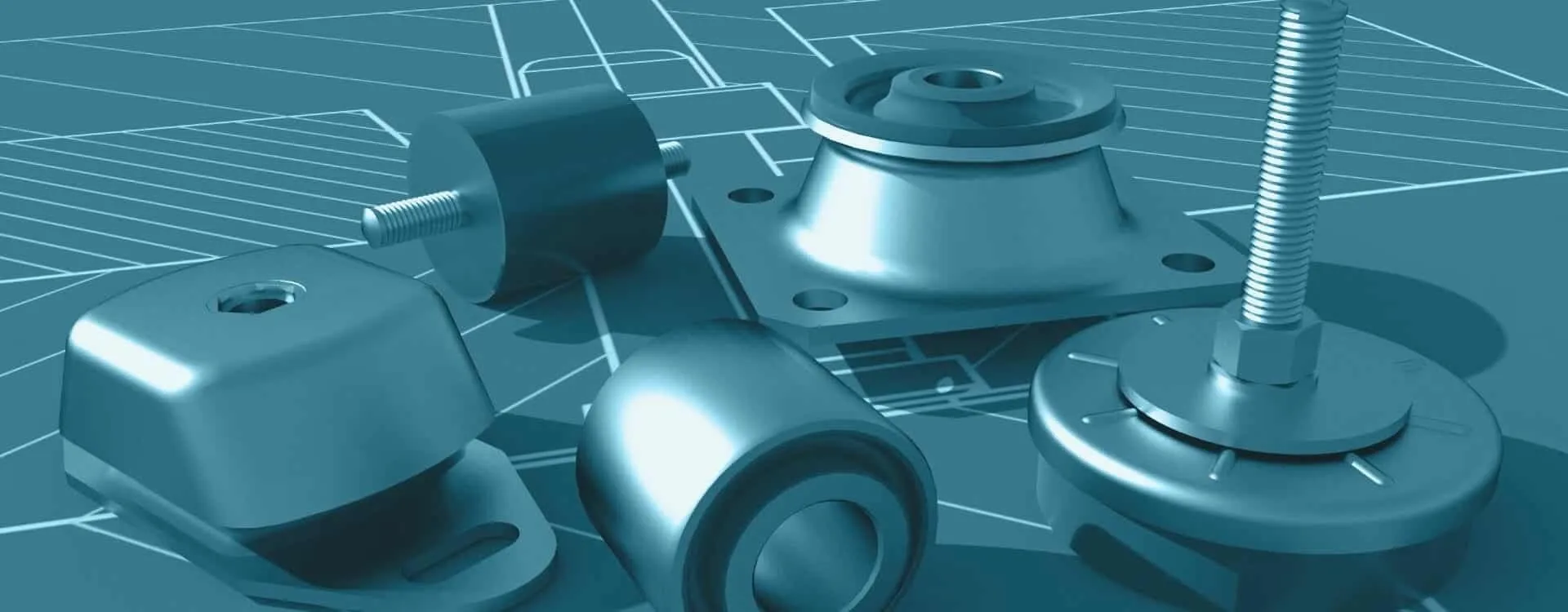

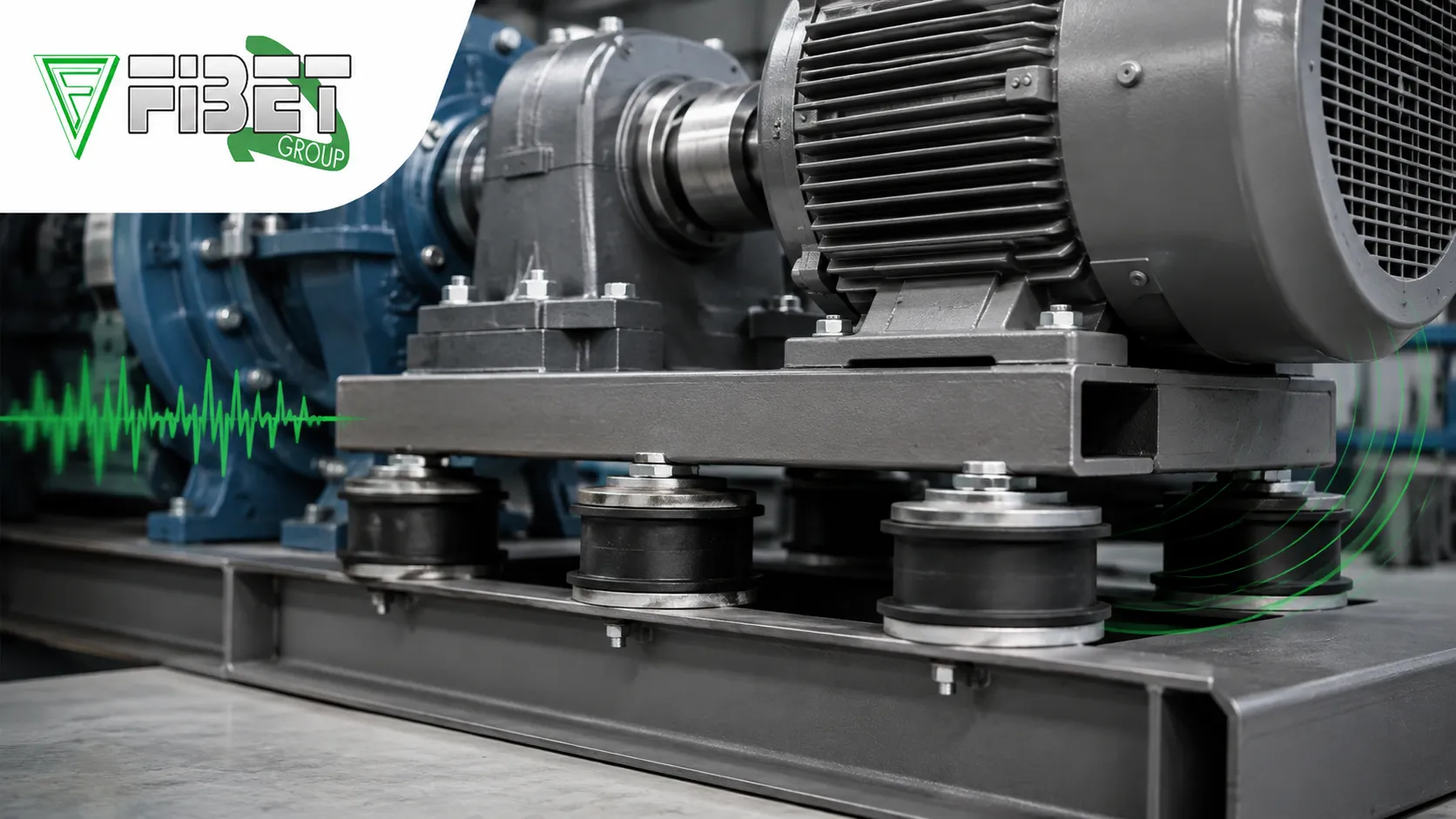
Vibration is one of those quiet problems that costs you dearly over time. Left unchecked, it loosens fixings, wears down bearings, rattles nerves and shortens the working life of expensive kit. anti vibration bushes, rubber-to-metal bonded isolators that sit between two mechanical parts, are a simple, effective answer. They damp movement, soak up shock and cut noise, all while protecting the machinery around them. In this guide, we'll walk through why machines shake in the first place, how these bushes work, and how to choose the right anti-vibration mounts for your setup.
What Causes Machinery to Vibrate?
Industrial machinery is full of moving, reciprocating and rotating parts. Some vibration is simply unavoidable, but understanding where it comes from helps you tackle it at the source rather than just treating the symptoms.
Imbalance in Rotating Components
Unbalanced rotors, fans, motors and shafts are among the most common culprits. When the centre of mass doesn't line up with the axis of rotation, every revolution produces a cyclic force. The result is vibration and noise that steadily fatigues components and can spread into surrounding structures. Even a small imbalance, repeated thousands of times a minute, adds up to real wear.
Misalignment and Loose Parts
Misaligned couplings, bearings or shafts create alternating loads and dynamic forces the machine was never designed to carry cleanly. Loose fasteners and worn joints make things worse by allowing relative movement between parts. That extra play doesn't stay put, it transmits straight into the supporting frame, amplifying both noise and mechanical stress.
Resonance and Operational Loads
Every machine–structure system has a natural frequency. When operating speed happens to excite it, resonance amplifies the vibration dramatically, and that's often where serious damage begins. Variable loads, start-up surges and shut-down transients all add their own spikes, meaning the demands on your equipment are rarely steady or predictable.
How Anti Vibration Bushes Reduce Noise and Shock
Anti vibration bushes work by placing a compliant, energy-absorbing layer exactly where vibration wants to travel. Rather than letting shock pass freely from one part to the next, they intercept it. Here's how that plays out in practice.
Vibration Isolation Principles
A bush provides a flexible interface between two parts, damping the energy transmitted through it and isolating the source from the support structure. The key is matching stiffness and damping to the job, get this right and you lower both the transmitted vibration and the noise that rides along with it. With well-chosen mounts, a vibration reduction of at least 70% is typically attainable, and in certain applications over 90% is achievable.
Shock Absorption and Load Distribution
The rubber element acts as a buffer, absorbing impact energy and spreading loads over time and area. Instead of a sharp jolt hitting a single component, the force is softened and distributed. This limits peak stresses and shields sensitive parts nearby, which is exactly why anti vibration rubber mounts are so widely trusted in automotive, aerospace, marine and general industrial settings.
Reducing Wear on Equipment
By limiting relative movement, vibration and shock, bushes cut fatigue and stop fixings from working loose. Less wear and tear means fewer breakdowns, lower maintenance costs and a longer service life for the whole assembly. Operators benefit too, with reduced vibration and noise making for a more comfortable, less fatiguing environment.
Choosing the Right Anti-Vibration Mounts for Your Machinery
Not every mount suits every machine. The right choice comes down to load, environment and fitting. If you're unsure, it's always worth speaking to a specialist before you commit.
Load Capacity and Material Selection
A typical bush uses inner and outer metal sleeves with rubber bonded between them, designed to carry radial, axial and torsional loads. Selection depends on your static and dynamic loading, the deflection you need, and the rubber's shore hardness, which determines how much the mount gives under load. Standard mounts commonly support up to 2000kg each, depending on size and hardness, so there's flexibility to match the demand.
Environmental and Operating Conditions
Where the mount lives matters. Temperature, oils, fuels, chemicals and UV exposure all influence the rubber type you should choose. Natural rubber bonded to zinc-plated steel gives good corrosion resistance for most jobs. For harsher settings, oil refineries, chemical plants, smelting works, stainless steel inserts and specialist oil-, fuel- or heat-resistant rubbers are the sensible route.
Installation Requirements
anti-vibration mounts are usually pressed into a housing and bolted through the inner sleeve, so correct fit, alignment and torque are essential. Get the fitting wrong and you risk transmitting vibration straight into the support, undoing the benefit. The good news is these mounts are generally maintenance-free and need no lubrication once installed properly.
Getting It Right, First Time
Anti vibration bushes are a small investment that protects far more expensive machinery, cutting noise, softening shock and extending equipment life. The trick is matching load, material and fitting to your specific application. If you're weighing up the options and want a hand choosing the right specification, our team is here to help you get it right first time.
Frequently Asked Questions About Anti-Vibration Bushes
What are anti-vibration bushes and how do they work?
Anti-vibration bushes are rubber-to-metal bonded isolators that sit between mechanical parts to damp vibration and reduce noise. They work by providing a compliant, energy-absorbing layer that intercepts vibration before it transfers to surrounding structures, protecting machinery and reducing operator fatigue.
What causes machinery vibration that requires anti-vibration mounts?
Machinery vibrates due to imbalanced rotating components, misaligned couplings or loose fasteners, and resonance when operating speed excites natural frequencies. These issues create cyclic forces and dynamic stress that can fatigue components and transmit noise into surrounding structures.
How much vibration reduction can anti-vibration mounts achieve?
With properly chosen anti-vibration mounts, a minimum of 70% vibration reduction is typically attainable. In certain applications and with appropriate products, reductions exceeding 90% are achievable, depending on load, material selection and correct installation.
What materials are used in anti-vibration bushes for harsh environments?
Standard mounts use natural rubber bonded to zinc-plated steel for good corrosion resistance. For oil refineries, chemical plants and extreme conditions, stainless steel inserts and specialist oil-, fuel-, or heat-resistant rubbers are available to ensure durability in challenging settings.
What load capacity do anti-vibration mounts typically support?
Standard anti-vibration mounts can support loads up to 2,000 kg per mount, depending on size and rubber shore hardness. Selection depends on your static and dynamic loading requirements, with various hardness options available for specific deflection and performance needs.
Why is proper installation of anti-vibration mounts important?
Correct fit, alignment and torque during installation are essential to ensure effective vibration isolation. Improper installation can transmit vibration directly into the support structure, undoing the benefits. Once properly installed, mounts are generally maintenance-free and require no lubrication.





























Sign in to leave a comment.