Preserving India’s Ancient Wisdom: Inside a Modern Manuscript Restoration Lab in India
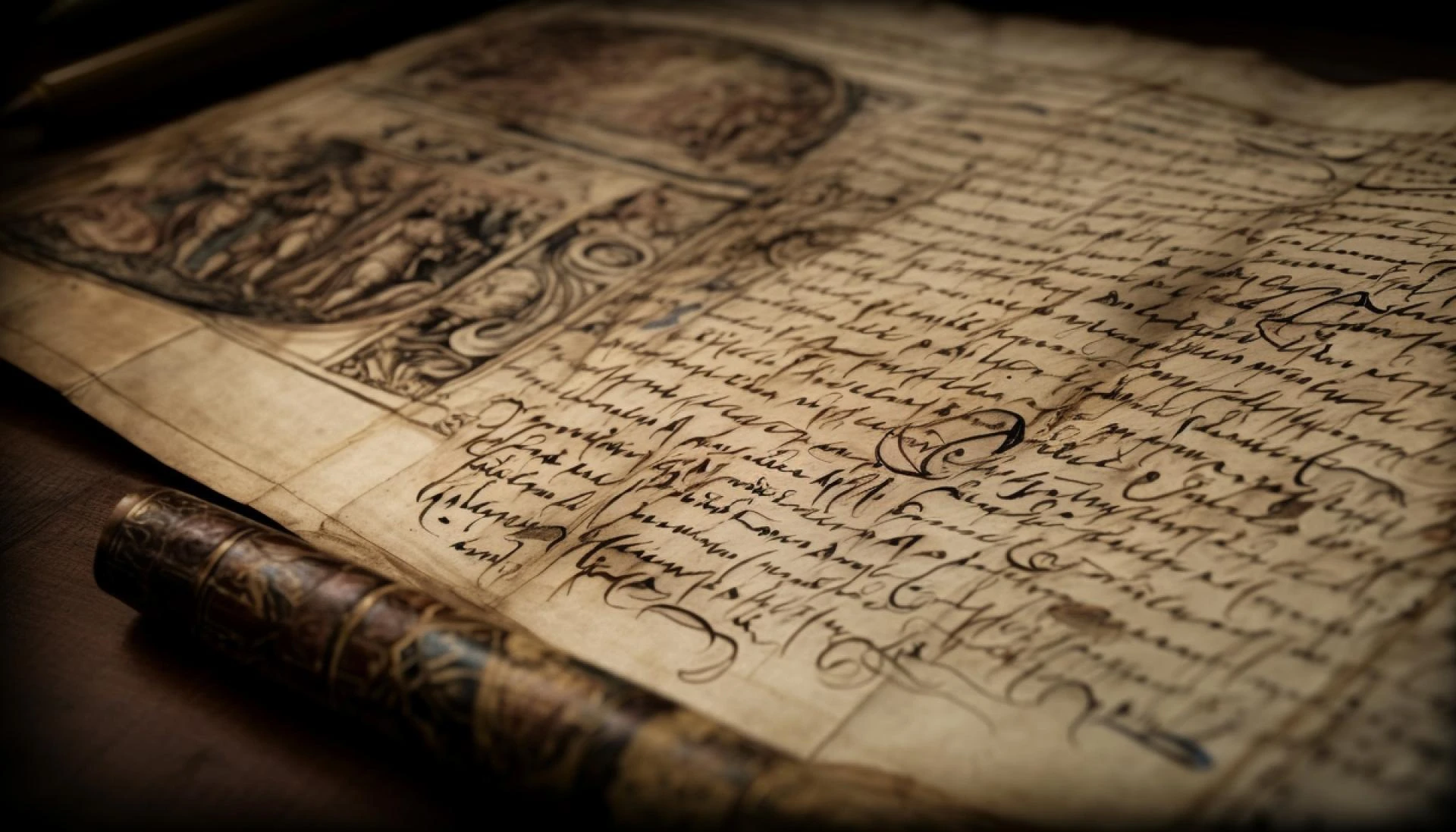
India has a rich legacy of handwritten manuscripts — ancient scriptures, philosophical treatises, scientific works, epics, and devotional literature — many written on palm leaves, handmade paper, or cloth centuries ago. These manuscripts are not just texts; they are living windows into India’s intellectual traditions, knowledge systems, languages, and cultural history. However, exposure to time, climate, pests, and handling has caused many priceless manuscripts to deteriorate. This is where a specialized manuscript restoration lab India plays a crucial role, offering conservation treatments that protect, preserve, and revive these fragile relics of wisdom.
A manuscript restoration lab is far more than a repair workshop. It is a carefully designed environment where conservators, historians, archivists, and research scholars work together to safeguard knowledge from being lost forever. Through a combination of traditional techniques and modern scientific methods, such labs breathe life back into manuscripts that are hundreds — sometimes thousands — of years old.
Why Manuscript Restoration Matters
While technology has made it possible to digitize manuscripts, physical preservation remains equally essential. Many original manuscripts carry marginal notes, unique illustrations, commentary, or binding styles that reveal historical contexts. Without restoration, these materials crumble, fade, or become unreadable.
Restoration experts in India work meticulously to:
- Clean and stabilize fragile leaves or papers
- Prevent fungal or chemical damage
- Repair tears, cracks, and faded ink
- Rebind or strengthen deteriorated material
- Ensure long-term preservation in controlled environments
Thus, the manuscript restoration lab India becomes a vital bridge between the past and the future, ensuring scholars, researchers, and devotees can continue accessing these treasures.
Braj Heritage Institute: A Guardian of Cultural Manuscripts
In the heart of the Braj region — home to Vrindavan and Mathura — the Braj Heritage Institute is emerging as a key contributor to manuscript conservation. Dedicated to preserving Braj’s spiritual, artistic, and historical legacy, the institute supports efforts to protect handwritten devotional texts, folk narratives, temple manuscripts, and rare historical documents.
The Braj Heritage Institute collaborates with experts in restoration science, helping gather, catalogue, and assess manuscripts before they deteriorate beyond repair. Through research projects and conservation initiatives, the institute ensures that sacred Braj literature remains accessible to scholars and devotees in authentic form.
Whether helping transport delicate documents to a manuscript restoration lab India or facilitating their preservation on site, the organization plays an invaluable role in keeping the intellectual heritage of Braj alive.
A Manuscriptology Centre India: Where Learning Meets Conservation
The restoration of manuscripts goes hand in hand with research, training, and academic understanding. That is why institutions across the country are developing specialized centres dedicated to manuscript study. A manuscriptology centre India focuses on:
- Script reading and transcription
- Paleography (study of ancient handwriting)
- Manuscript dating and classification
- Understanding inks, dyes, and writing materials
- Cataloguing ancient collections
- Ethical preservation practices
These centres often work closely with restoration labs, providing scholarly context for the historical texts being conserved. Students and researchers learn to analyze manuscripts not just as artifacts, but as carriers of philosophical, literary, and scientific knowledge.
Together, these fields — manuscriptology and restoration — ensure that manuscripts are not only saved from physical decay but also interpreted, translated, studied, and integrated into India’s educational and cultural narratives.
Braj Folk Art Museum: A Cultural Companion
When discussing preservation, one cannot overlook artistic heritage. The Braj Folk Art Museum complements manuscript conservation by protecting artistic traditions, sculptures, paintings, ritual paraphernalia, and folk crafts from the Braj region. Manuscripts often contain illustrations, scripts, and miniature artworks reflective of Braj’s devotional culture.
This link between written heritage and visual heritage makes the museum sector a powerful ally in heritage preservation. A museum provides a safe repository for restored manuscripts, offers interpretive displays, and helps the public understand their cultural significance.
Inside a Manuscript Restoration Lab in India: A Closer Look
A well-equipped manuscript restoration lab India typically includes:
✔ Controlled Air and Humidity Rooms
To protect manuscripts from fungal growth and moisture.
✔ Cleaning and Deacidification Units
Dust, fungus, and chemical reactions are safely removed.
✔ Microscopes and Diagnostic Tools
Used to assess ink damage, fibre weakness, or biological threats.
✔ Specialized Restoration Paper and Adhesives
Reversible, conservation-grade materials ensure ethical repairs.
✔ Digitization Technology
Preserved manuscripts are scanned for wider access and study.
Every manuscript undergoes personalized treatment, since no two documents age or deteriorate in the same way.
Future of Manuscript Preservation in India
With growing awareness, more institutes, including the Braj Heritage Institute, are working toward establishing stronger collaboration between museums, manuscriptological centres, and restoration labs. The preservation of both written heritage and art strengthens India’s cultural continuity and academic development.
As restoration labs continue advancing, they create opportunities for:
- Scholarly research
- Educational workshops
- Conservation fellowships
- Digitization for global access
The combination of scientific care and cultural responsibility makes the manuscript restoration lab India an essential cornerstone in preserving the nation’s historical identity.
Conclusion
The preservation of manuscripts is not just a technical task — it is a tribute to India’s timeless wisdom. Whether through specialized restoration laboratories, educational efforts at a manuscriptology centre India, cultural documentation at the Braj Folk Art Museum, or coordinated heritage efforts led by the Braj Heritage Institute, the mission remains the same: protect knowledge, safeguard tradition, and pass it on to future generations.






















Sign in to leave a comment.