Palm Leaf Manuscript Preservation: Safeguarding India’s Ancient Knowledge for the Future
India’s cultural and intellectual heritage is deeply rooted in its ancient manuscripts, many of which were written on palm leaves centuries ago. These fragile records contain invaluable knowledge related to philosophy, medicine, astronomy, religion, literature, and history. Today, palm leaf manuscript preservation has become a vital effort to protect this priceless legacy from decay, loss, and neglect. Through structured conservation practices, institutions and scholars are ensuring that India’s ancient wisdom continues to inspire future generations.
The Historical Significance of Palm Leaf Manuscripts
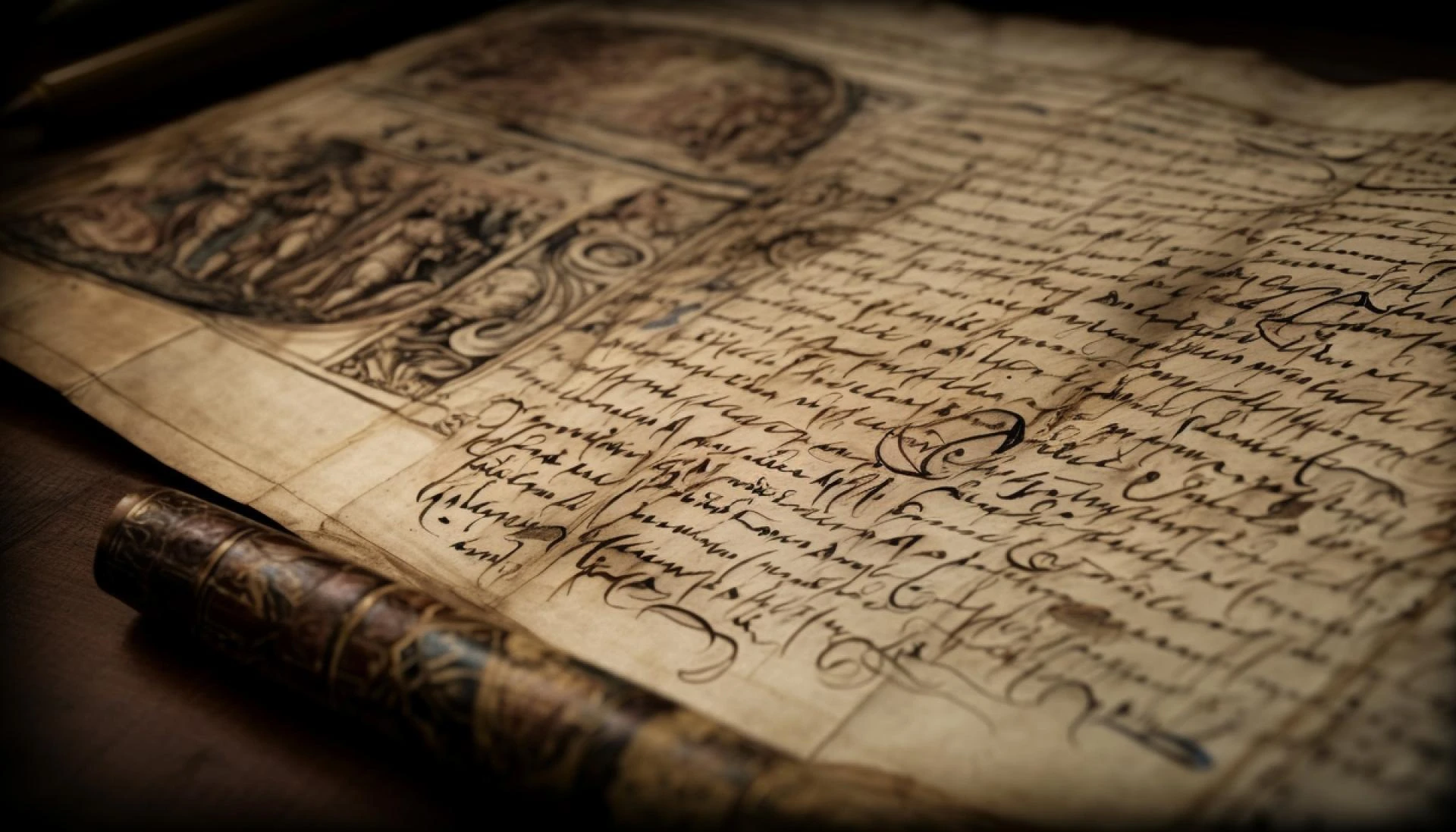
Before the invention of paper, palm leaves were widely used as a writing medium across India. These manuscripts documented sacred scriptures, scientific treatises, folk traditions, and royal records. Found across regions such as Kerala, Odisha, Tamil Nadu, Karnataka, and northern India, palm leaf texts represent the foundation of ancient manuscripts India is known for.
However, palm leaves are extremely delicate. Exposure to humidity, insects, light, and handling can cause irreversible damage. This is why palm leaf manuscript preservation is not just about storage but involves careful restoration, climate control, and digitization.
Why Palm Leaf Manuscript Preservation Is Essential
The importance of palm leaf manuscript preservation goes beyond protecting physical artifacts. These manuscripts offer insights into India’s traditional knowledge systems, social structures, artistic expressions, and scientific achievements. Without preservation efforts, countless manuscripts risk deterioration or disappearance.
Preservation also supports education and research. Scholars rely on well-preserved manuscripts to study ancient languages, scripts, and philosophies. By safeguarding these documents, India preserves its cultural identity and ensures historical continuity.
Manuscript Preservation in India: Traditional and Modern Methods
Manuscript preservation in India combines traditional conservation practices with modern technology. Historically, natural oils, herbal treatments, and smoke exposure were used to protect palm leaves from insects and decay. Today, these methods are complemented by scientific techniques such as controlled humidity storage, chemical stabilization, and digital archiving.
Digitization plays a crucial role in palm leaf manuscript preservation. High-resolution scanning allows researchers to access fragile texts without physically handling them. Digital copies also protect content in case the original manuscripts are damaged by natural disasters or aging.
The Role of Braj Heritage Institute in Preservation
The Braj Heritage Institute plays an important role in promoting heritage conservation and manuscript preservation initiatives. Located in the culturally rich Braj region, the institute works toward preserving historical artifacts, traditional knowledge, and rare manuscripts that reflect India’s spiritual and artistic legacy.
Through research programs, exhibitions, and conservation projects, the Braj Heritage Institute contributes significantly to the broader movement of manuscript preservation in India. Its efforts help raise awareness about the importance of protecting ancient texts and encouraging community participation in heritage conservation.
Ancient Manuscripts India: A Living Cultural Treasure
The vast collection of ancient manuscripts India holds represents more than written records — they are living cultural treasures. These manuscripts capture India’s evolution in thought, art, science, and spirituality. Palm leaf manuscripts, in particular, showcase exceptional craftsmanship, calligraphy, and traditional binding techniques.
Preserving these manuscripts ensures that future generations can study and appreciate India’s intellectual achievements. It also allows historians and scholars to reinterpret historical narratives with authentic source material.
Connecting Manuscripts with Folk Traditions
Heritage preservation extends beyond texts to include art, music, and folk traditions. Institutions like the Braj Folk Art Museum help bridge this connection by preserving visual and cultural expressions of the Braj region. Folk art, storytelling, and manuscripts often complement one another, offering a holistic view of cultural history.
By showcasing traditional art forms alongside preserved manuscripts, the Braj Folk Art Museum enhances public understanding of India’s cultural diversity. Together, these efforts highlight how palm leaf manuscript preservation fits into the broader spectrum of heritage conservation.
Challenges in Palm Leaf Manuscript Preservation
Despite growing awareness, palm leaf manuscript preservation faces several challenges. Limited funding, lack of trained conservators, environmental conditions, and insufficient documentation remain major obstacles. Many manuscripts are still stored in private collections or temples without proper preservation facilities.
Addressing these challenges requires collaboration between government bodies, heritage institutions, scholars, and local communities. Education and training programs are essential to develop skilled conservators who can protect these fragile materials.
The Way Forward
The future of palm leaf manuscript preservation depends on sustained efforts, technological integration, and public participation. Expanding digitization projects, improving conservation infrastructure, and supporting institutions like the Braj Heritage Institute will strengthen preservation initiatives across the country.
Encouraging young researchers and historians to engage with ancient manuscripts India possesses will ensure continuity of knowledge. Public exhibitions, workshops, and museum programs can further increase awareness and appreciation.
Conclusion
Palm leaf manuscripts are silent witnesses to India’s extraordinary past. Through dedicated palm leaf manuscript preservation, institutions and scholars are protecting these invaluable records for generations to come. Supported by initiatives in manuscript preservation in India, organizations such as the Braj Heritage Institute and cultural spaces like the Braj Folk Art Museum play a vital role in safeguarding ancient manuscripts India treasures.
Preserving these manuscripts is not just about conservation — it is about honoring India’s heritage, knowledge, and cultural identity for the future.
























Sign in to leave a comment.