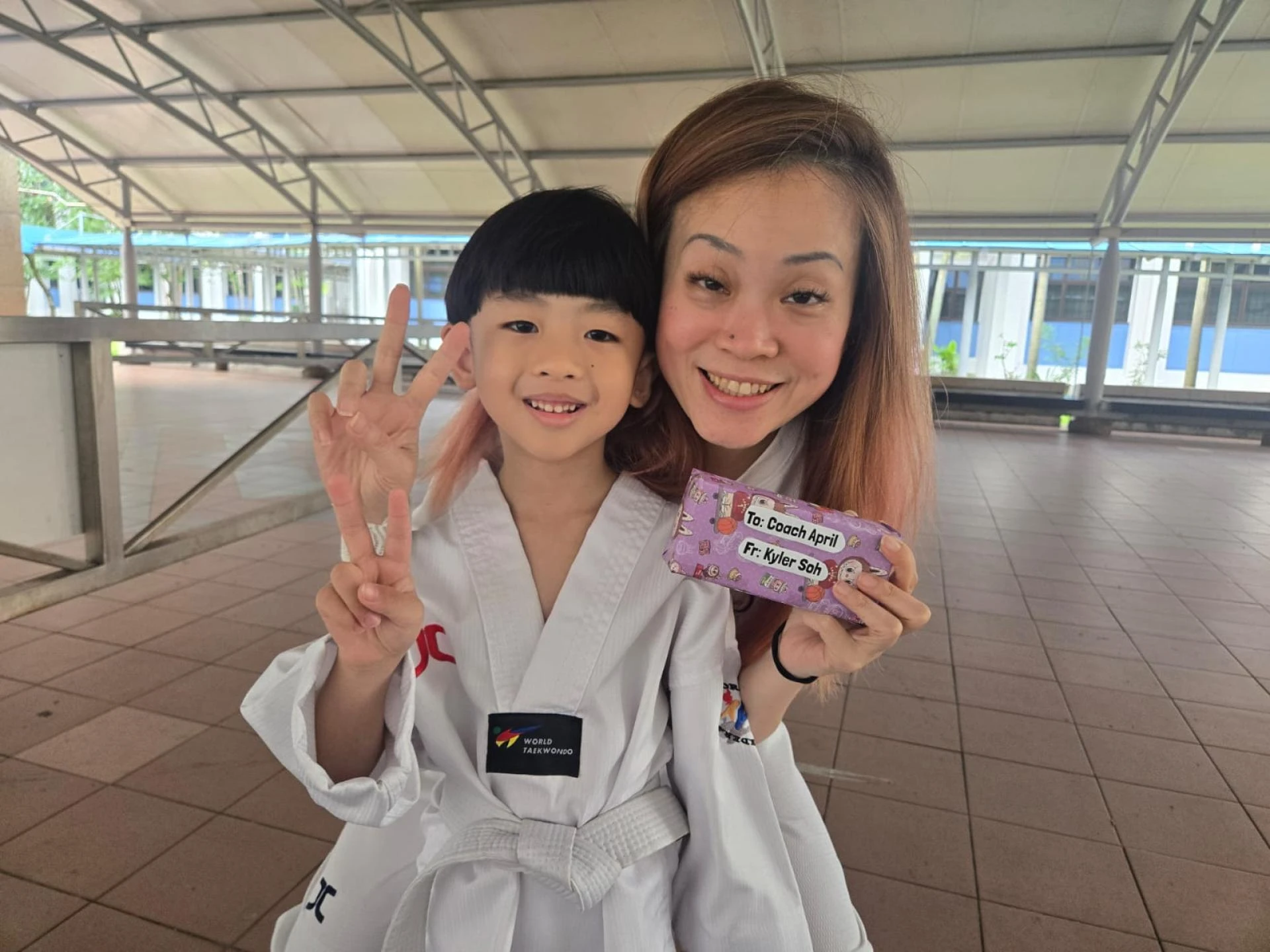

Every parent knows the struggle. You want your child to be active, but you also want them to learn valuable life skills like respect, focus, and resilience. Screens are winning the battle for their attention, and sometimes it feels like getting them to listen the first time is a miracle.
If this sounds familiar, you are not alone. Many parents in our sunny island are looking for an activity that isn’t just about burning off energy but actually builds character. That’s where the beauty of martial arts comes in.
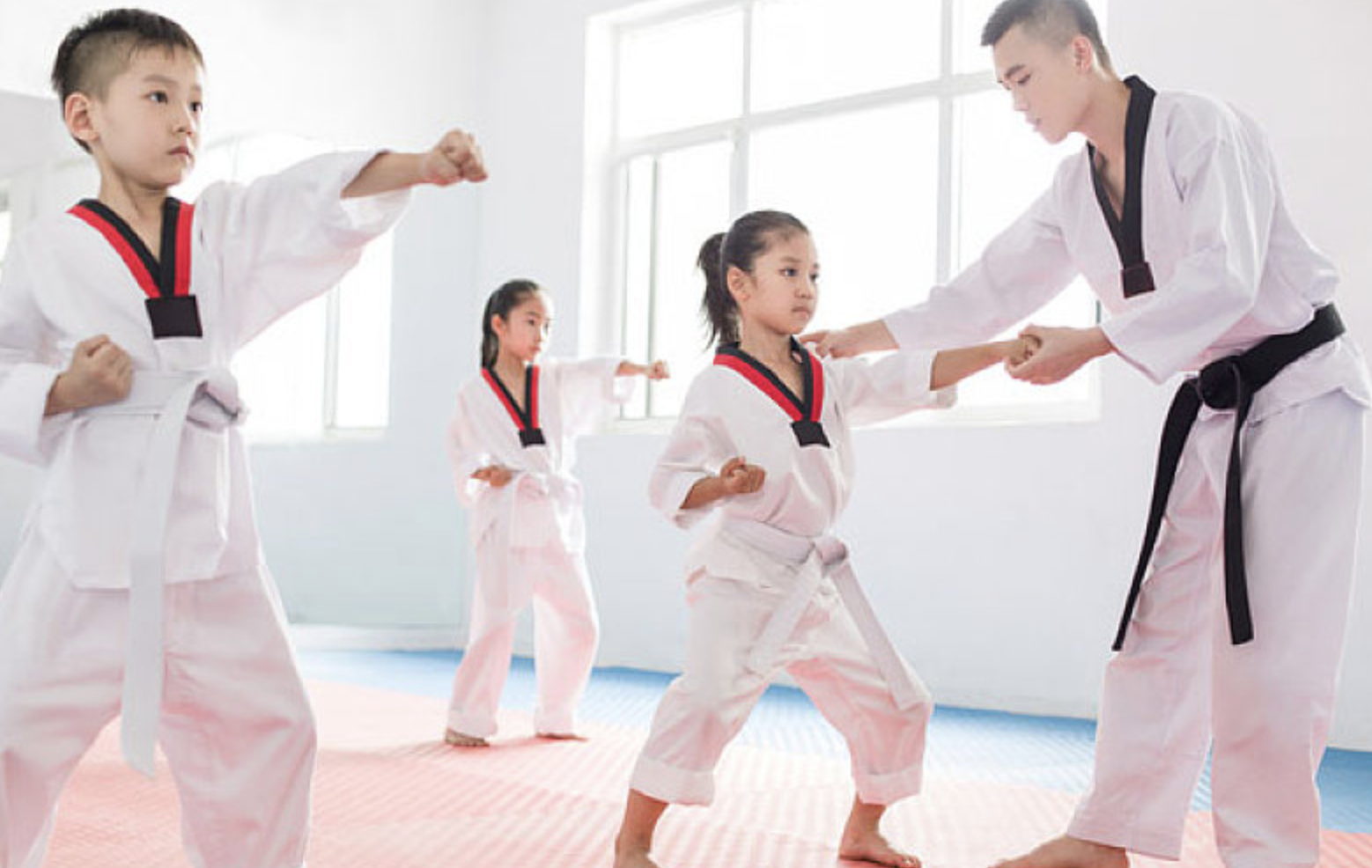
Whether you are looking to boost their self-esteem or simply give them a structured outlet, choosing the right Martial Arts For Kids Singapore can be a game-changer for your family.
Why Martial Arts is More Than Just Kicks and Punches
When parents first walk through the doors of a dojo, they often think it’s just about physical activity. But as they watch their kids bow to their instructors, wait patiently for their turn, and cheer for their peers, they realize it’s something much deeper.
Martial arts is a unique blend of physical exertion and mental conditioning. It teaches children that progress isn’t instant. You don’t get a black belt in a month. You earn it through consistency, failure, and getting back up. This lesson—that hard work pays off—is something that translates directly into the classroom and later, into their careers.
Taekwondo Classes: A Dynamic Start for Young Learners
If you are new to the martial arts world, you might be overwhelmed by the different styles. Karate, Judo, Silat—they all have their merits. However, one of the most popular and effective disciplines for children is Taekwondo.

Why is it so well-suited for kids? Taekwondo is a Korean martial art famous for its dynamic kicking techniques. For a child with endless energy, the high-energy nature of Taekwondo Classes is incredibly engaging. It’s fast-paced enough to keep their attention but structured enough to teach them discipline.
When kids practice Taekwondo, they aren’t just learning how to defend themselves. They are improving their gross motor skills, coordination, and balance. For a child who feels clumsy or is struggling with other sports, Taekwondo offers a different path to athletic success.
Building Social Skills in a Supportive Environment
One of the biggest fears parents have when enrolling a shy child in an activity is that they will feel lost in the crowd. Unlike team sports where a child might hide in the outfield, martial arts allows them to progress at their own pace.
In a quality academy, the environment is built on mutual respect. Instructors are not just coaches; they are mentors. They teach the kids that the mat is a safe space.
For example, I’ve seen incredibly shy kids who wouldn’t make eye contact transform after a few months. They start greeting the instructor with a confident "Yes, sir!" or "Yes, ma'am!" They learn to speak up, to lead warm-ups, and to help newer students who are struggling. That leadership quality is rare to find in other extracurricular activities.
Finding the Right Fit for Your Child’s Personality
Not every martial arts school is the same. Some focus heavily on competition and sparring, while others prioritize self-defense and character development. The key is to match the school’s philosophy with your child’s personality.
If your child is highly competitive and loves to challenge themselves, a school with a strong tournament team might be perfect. If your child is more reserved or needs help with focus, look for an academy that emphasizes structure and respect above all else.
When searching for Martial Arts For Kids Singapore, it is always a good idea to sit in on a trial class. Watch how the instructors interact with the children. Are they patient? Do they correct mistakes with encouragement rather than yelling?
How to Support Your Child’s Journey
As a parent, your role in this journey is crucial. Martial arts is unique because it has a clear progression system—usually colored belts. Every time your child ties that new belt around their waist, it’s a tangible milestone.
To help them succeed:
Practice a little at home: You don’t need a dojo at home. Even 10 minutes of reviewing their patterns (forms) or kicking drills in the living room shows them you care about their progress.
Celebrate the effort, not just the win: Did they lose a sparring match but showed great sportsmanship? That is a win. Did they struggle with a new form but didn’t give up? Celebrate that grit.
Stay consistent: The biggest benefits come from consistency. It’s easy to skip class when it rains or when homework piles up, but showing up on the tough days is where the character building really happens.
What to Expect in a Typical Class
If you’ve never stepped into a dojo before, you might be curious about what actually happens during a session. Generally, a good Taekwondo Classes structure looks like this:
Warm-up: Jogging, dynamic stretching, and agility drills to get the blood flowing.
Fundamentals: Practicing basic blocks, punches, and kicks. Repetition is key here to build muscle memory.
Forms (Poomsae): A sequence of movements against an imaginary opponent. This is where focus and memory are tested.
Sparring/Games: Controlled application of techniques. For younger kids, this often looks like fun games that teach distance and timing without actual contact.
Cool-down: Stretching and a final bow to the flags and instructors.
Making the Decision
Investing in martial arts is investing in your child’s future. It’s not just about learning to throw a punch; it’s about learning when not to. It’s about building a mindset of perseverance that will serve them well through the stresses of school exams and the challenges of growing up.
If you are ready to see your child grow in confidence, discipline, and physical fitness, it might be time to explore the options available. Finding a school that feels like a second home is the ultimate goal.
For those interested in starting this journey, you might want to check out the programs available at https://www.taistellasports.com/. They offer a structured yet nurturing environment designed to bring out the best in young athletes.



























Sign in to leave a comment.