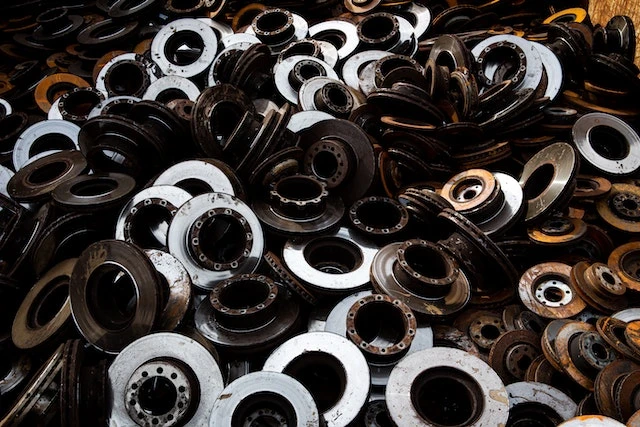

Metal recycling has become a critical component of the global sustainability movement. With the growing concerns over climate change, resource depletion, and environmental pollution, the need to adopt eco-friendly practices has become more pressing than ever. Metal recycling offers a sustainable solution to address these challenges and plays a crucial role in creating a greener future. In this article, we will explore why metal recycling is important, highlighting its environmental, economic, and social benefits.
Environmental Benefits of Metal Recycling:
One of the primary reasons why metal recycling is essential is its significant environmental benefits. The extraction and production of virgin metals from ores require vast amounts of energy and natural resources, contributing to air and water pollution, soil degradation, and deforestation. In contrast, metal recycling conserves these valuable resources and reduces the environmental impact associated with metal production.
By recycling metals, we can significantly reduce greenhouse gas emissions. Manufacturing metals from raw materials is energy-intensive and produces a substantial amount of carbon dioxide, a major contributor to climate change. In fact, producing new aluminum from recycled aluminum requires 95% less energy compared to producing aluminum from raw materials, resulting in a substantial reduction in carbon emissions.
Furthermore, metal recycling reduces the need for mining, which often causes environmental destruction and loss of biodiversity. Mining activities can lead to deforestation, soil erosion, habitat destruction, and water pollution, with long-term impacts on local ecosystems. Metal recycling helps to mitigate these negative environmental impacts and promotes sustainable resource management.
Economic Benefits of Metal Recycling:
In addition to its environmental advantages, metal recycling also offers significant economic benefits. Recycling metals creates economic opportunities by generating jobs, stimulating economic growth, and conserving resources.
Metal recycling is a labor-intensive industry, creating employment opportunities in collection, transportation, sorting, processing, and manufacturing of recycled metal products. According to the Australian Bureau of Statistics, the recycling and resource recovery industry in Australia directly employs around 50,000 people and generates an annual revenue of over $15 billion. Metal recycling not only contributes to local economies but also helps to foster global trade, as recycled metals are traded as commodities in international markets.
Furthermore, metal recycling helps to conserve valuable natural resources, such as metal ores and fossil fuels. Metal ores are finite resources that are becoming increasingly scarce, and their extraction has significant environmental and social impacts. By recycling metals, we can extend the lifespan of these resources and reduce our reliance on virgin materials, which can lead to cost savings and increased economic resilience.
Social Benefits of Metal Recycling:
Metal recycling also brings about social benefits that contribute to sustainable development. Recycling metals has social advantages by conserving resources, reducing pollution, and promoting community engagement.
One of the key social benefits of metal recycling is resource conservation. As mentioned earlier, metal recycling helps to conserve valuable natural resources, such as metal ores and fossil fuels. This ensures that these resources are available for future generations, promoting intergenerational equity and sustainability. Metal recycling also reduces the need for mining, which can have detrimental social impacts on local communities, such as displacement of indigenous peoples, loss of livelihoods, and social conflicts. By recycling metals, we can minimise these negative social impacts and promote responsible resource management.
Metal recycling also plays a crucial role in reducing pollution and improving public health. The extraction and production of virgin metals are often associated with pollution of air, water, and soil, which can have harmful effects on human health and well-being. For example, mining activities can release toxic substances, such as heavy metals and chemicals, into the environment, leading to air and water pollution and posing health risks to nearby communities. Metal recycling reduces the need for such extraction and production, thus minimising the pollution associated with these processes and safeguarding public health.
Moreover, metal recycling promotes community engagement and empowerment. Recycling initiatives often involve local communities in the collection, sorting, and processing of metals, creating opportunities for education, training, and employment. This helps to empower communities by providing them with skills, knowledge, and economic opportunities. Community-based recycling programs also foster social cohesion, as they promote collaboration and cooperation among community members, leading to stronger social bonds and cohesive communities.
Conclusion:
Metal recycling is a crucial component of sustainable development, offering numerous environmental, economic, and social benefits. It conserves valuable natural resources, reduces greenhouse gas emissions, mitigates environmental pollution, creates employment opportunities, stimulates economic growth, and promotes community engagement. Metal recycling also contributes to global efforts in combating climate change, resource depletion, and environmental degradation, making it a vital solution for a greener future.
As individuals, communities, businesses, and governments, we all have a role to play in promoting and supporting metal recycling. We can participate in local recycling programs, prioritise the purchase of products made from recycled metals, and advocate for policies that promote and incentivise metal recycling. By working together, we can harness the power of metal recycling to create a more sustainable and environmentally responsible world for ourselves and future generations. Let us embrace the importance of metal recycling and take action towards building a greener and more sustainable future.





















Sign in to leave a comment.