
As businesses increasingly rely on digital systems, protecting sensitive information has become more critical than ever. Small businesses, especially those with fewer resources, often find themselves at risk of cyberattacks due to weak security measures. One of the most effective ways to protect your business and its data is by using Multi-Factor Authentication (MFA).
MFA adds an extra layer of security to your login process. Instead of relying on just a password, which can be easily stolen or guessed, MFA requires users to prove their identity using two or more methods. In a world where cyber threats are constantly evolving, this extra step can be the difference between a secure business and one vulnerable to attacks.
In this blog, we’ll explain why MFA is so important for your business and how IT support for small business can help you set up and maintain this essential security feature.
What is Multi-Factor Authentication (MFA)?
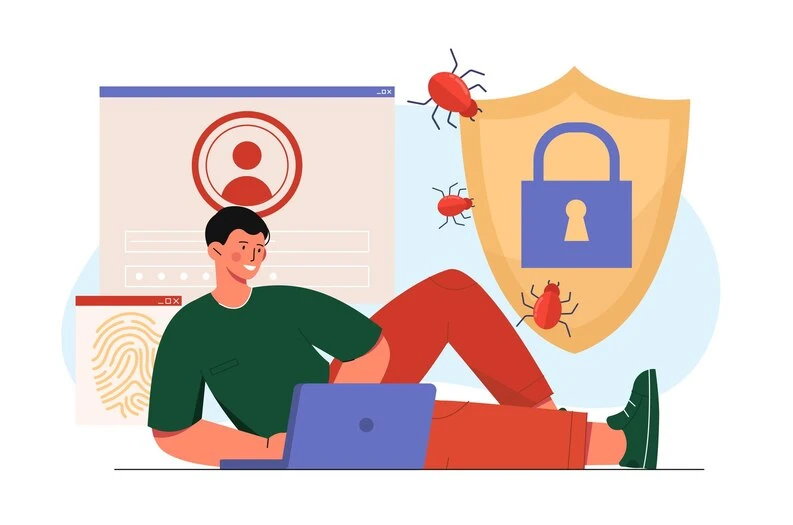
MFA is a security system that requires users to provide more than one form of identification before gaining access to a system. Instead of just entering a password, users must prove their identity in multiple ways. There are typically three types of verification:
- Something you know – a password or PIN.
- Something you have – a phone, security token, or an authentication app.
- Something you are – biometric features, like fingerprints or facial recognition.
With MFA, even if someone manages to steal your password, they still won’t be able to access your system without the second or third form of authentication. This added layer makes it much harder for attackers to gain unauthorized access.
Why is MFA Important for IT Security?
1. Stronger Protection Against Cyberattacks
Passwords are often the weakest link in a security system. Many people reuse passwords across multiple sites or create simple passwords that can be easily guessed. Cybercriminals know this and use techniques like phishing or brute-force attacks to steal passwords.
MFA significantly strengthens your security. Even if a hacker manages to steal a password, they won’t be able to access your system without the second verification step. This means your business data and IT systems are much safer from attacks.
2. Protection for Remote Workers
As more employees work from home or remote locations, the risk of security breaches increases. Employees might use personal devices or public networks to access business systems, which can make them more vulnerable to hackers.
With MFA, even if an employee logs in from an unsecured network, the extra layers of verification make it much harder for hackers to steal their login details. This way, remote workers can access your company’s data securely, no matter where they are.
3. Compliance with Industry Regulations
Many industries, especially those dealing with sensitive data (such as healthcare and finance), require businesses to follow strict security standards. MFA is often a necessary step to meet regulatory requirements like HIPAA, GDPR, and PCI-DSS. If your business must comply with any of these regulations, MFA is an essential tool in helping you stay compliant.
4. Minimizing Insider Threats
Not all threats come from outside your organization. Employees, contractors, or even business partners can sometimes misuse their access to data, either intentionally or unintentionally.
MFA helps protect your business from insider threats by ensuring that only authorized users can access critical systems, reducing the chances of malicious activity or accidental leaks of sensitive information.
How IT Support for Small Business Can Help Implement MFA
Setting up MFA might seem complicated, especially for small businesses with limited IT resources. Fortunately, IT services for small business can assist in making the process simple and seamless. Managed IT providers can help your business:
- Choose the right MFA system: Whether you need app-based authentication, SMS-based codes, or biometric solutions, IT experts can guide you in selecting the best MFA method for your business needs.
- Implement MFA across systems: IT support teams ensure that MFA is set up properly for all business applications and systems, protecting your data from every angle.
- Ongoing monitoring and updates: Cyber threats evolve quickly, and IT support services can keep your MFA system up to date and monitor it for any security issues.
By working with IT support for small business, you ensure that your business has the right tools to stay secure while focusing on growth.
Conclusion
In today’s digital landscape, businesses of all sizes face the risk of cyberattacks, data breaches, and other security threats. For small businesses, securing your data should be a top priority. Multi-Factor Authentication (MFA) provides an easy yet powerful way to protect your business from unauthorized access, whether it’s from hackers or insider threats.
By partnering with IT services for small business, you can implement MFA with ease and ensure that your business data remains secure. Don’t wait for a cyberattack to happen—take steps today to protect your company’s future with MFA and enhanced IT security.
























Sign in to leave a comment.