
There was a time when watching TV was simple.
You turned it on, flipped through channels, stopped when something looked interesting, and just watched. No overthinking. No endless searching. No asking yourself whether this movie was really worth your time.
Then streaming arrived and changed everything.
At first, it felt like a dream. Suddenly, you could watch what you wanted, when you wanted, on almost any device. No schedules. No waiting. No cable box. It felt like television had finally become smart.
But after a while, streaming created a new problem.
Too many apps. Too many subscriptions. Too many monthly charges. Too many choices.
And strangely enough, many people started missing the simplicity they thought they had left behind.
That is exactly where FAST TV comes in.
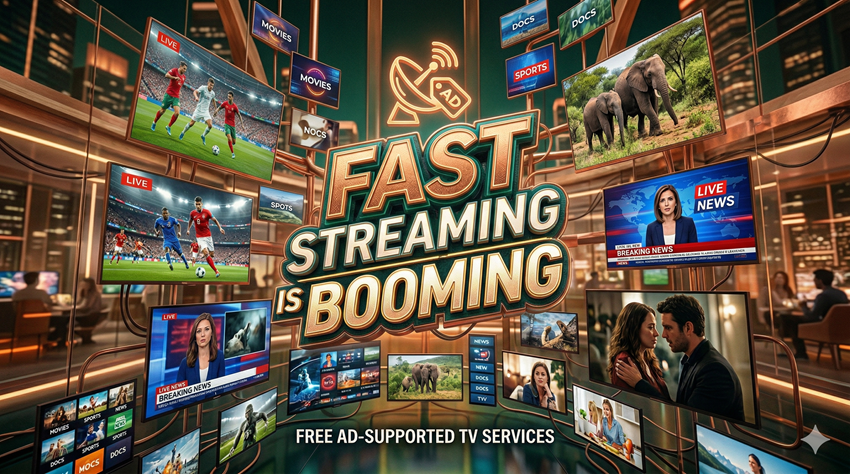
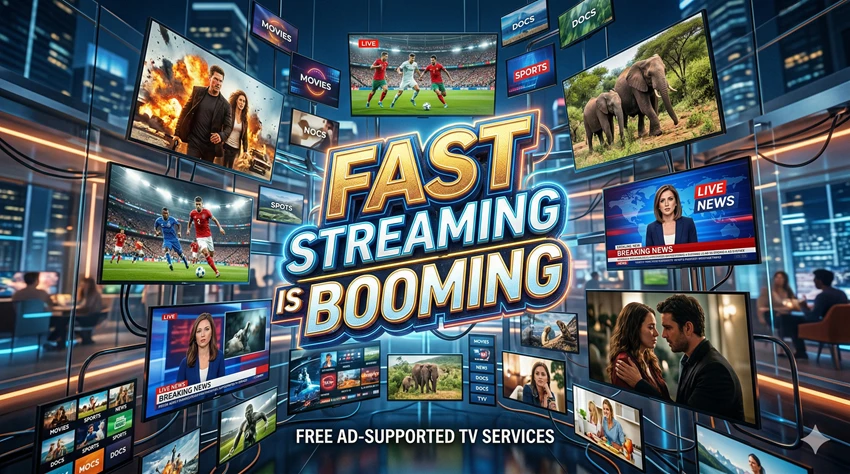
FAST stands for Free Ad-Supported Streaming Television, and in simple words, it gives people a way to watch streaming channels for free. Instead of paying a monthly fee, viewers watch ads, and those ads support the service.
Now here is the interesting part: although FAST is part of the modern streaming world, it feels surprisingly old-school in the best possible way.
You open the app. You browse channels. You click one. Something starts playing.
That is it.
No big decision. No pressure. No subscription guilt.
And honestly, that simple experience is a big reason why FAST is becoming so popular.
Streaming made entertainment easy — and then complicated it again
When streaming first became mainstream, people loved the control it offered. You no longer had to sit through commercials or wait for a show to come on at a certain time. Everything was available on demand.
But eventually, the freedom became overwhelming.
How many times have people opened a streaming app, scrolled for fifteen minutes, and still not watched anything?
That is the hidden problem of too much choice.
Sometimes people do not want to search through thousands of titles. Sometimes they just want to relax and let something play in the background. They want entertainment without effort.
That is what FAST does so well.
It brings back the “just put something on” experience, but through the internet instead of cable.
In a way, FAST feels like the return of channel surfing — just smarter, cheaper, and easier.
Why FAST TV is growing so fast
The biggest reason FAST is growing is actually very simple: people are tired of paying for everything.
One app charges for movies. Another charges for live TV. Another one has sports. Another has kids’ content. Another has premium originals. Little by little, the monthly bill keeps growing.
At some point, viewers start asking a very practical question:
Do I really need another paid service?
FAST answers that question with something refreshing: maybe not.
Because it is free, FAST gives people a way to keep watching without adding another monthly commitment. That makes it attractive for families trying to reduce costs, casual viewers who just want something on, and anyone who feels tired of subscription overload.
And it does not feel like a weak replacement either.
That is important.
FAST is not just about being free. It is about being useful.
It is not “cheap TV” — it is convenient TV
Some people hear the word “free” and immediately assume the experience must be poor.
But that is not really how FAST works.
FAST platforms are successful because they understand something very important about modern viewers: convenience matters.
A lot.
People do not always want to search for the perfect title. Sometimes they want a movie channel already playing. Sometimes they want food shows in the background while cooking. Sometimes they want sports talk, quick news, or lifestyle content without spending time deciding.
FAST fits those moments perfectly.
It feels light. Easy. Comfortable.
And that is why it works.
One of FAST’s biggest strengths is variety
Another reason FAST is getting attention is because it can offer a wide mix of channels without forcing viewers into another subscription model. Your attached article explains this really well by showing how FAST works through niche channels and channel-based discovery.
That means a person might open the app for sports-related content, while someone else is more interested in movie channels, cooking shows, international entertainment, or lifestyle programming.
That is one of the most interesting things about FAST: it can serve many different types of viewers at the same time.
And because these channels are often built around specific interests, the whole experience feels more personal than people expect.
It is not always about one huge blockbuster show.
Sometimes it is about finding a channel that simply matches your mood.
Where USTVNow fits into all of this
USTVNow is a strong example of how this viewing style works in real life.
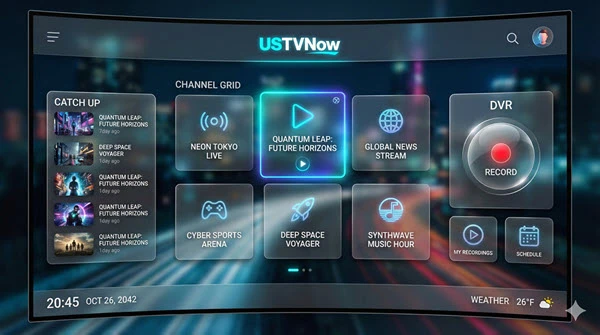
Its free viewing experience and TV guide-style browsing reflect the same core FAST idea: make it easy for people to open the platform, browse channels, and start watching without unnecessary friction. Your article also highlights how USTVNow’s free lineup shows the real value of FAST across sports, movies, business, lifestyle, and multicultural programming.
That matters because FAST is easier to understand when you stop looking at it as a business label and start looking at it as a viewing experience.
If someone can open a platform and immediately find sports-related channels, genre movies, lifestyle content, business updates, or international entertainment without a subscription wall, that is FAST doing exactly what it is supposed to do.
And for many viewers, that kind of easy access is becoming more valuable than ever.
The future of TV may not be fully paid or fully free
What makes FAST especially interesting is that it does not have to replace everything else.
Most people probably will not abandon paid streaming completely. Many households will still keep one or two subscriptions for premium shows, exclusive movies, or major live events.
But FAST fits naturally beside those services.
It becomes the everyday option. The casual option. The background option. The easy option.
That is why it feels less like a temporary trend and more like a permanent part of the streaming world.
Because the truth is, people still love watching TV.
They just do not love paying for more and more apps every month.
Final thoughts
FAST TV is growing because it brings something back that a lot of modern entertainment accidentally lost: simplicity.
It gives viewers free access, familiar channel browsing, and less pressure to choose perfectly. In a world full of subscriptions, that feels refreshing.
And that is why platforms like USTVNow matter in this conversation.
They show that streaming does not always have to mean more bills, more complexity, and more effort.
Sometimes the smartest idea is also the simplest one:
Open the app.
Find a channel.
Start watching.
























Sign in to leave a comment.