
Many businesses launch a website expecting it to generate enquiries, calls, and steady growth. The design looks polished, the service pages are live, and everything appears ready. Then months pass with little visibility, weak traffic, and inconsistent leads.
This is a common situation across many industries. In most cases, the problem is not the business itself. The problem is that the website was never built to compete in search results.
After working with businesses in competitive markets, one pattern becomes clear. Companies often invest in websites, branding, and paid ads, but neglect the search foundations that influence rankings. A website can look impressive and still underperform badly on Google.
Strong rankings usually come from technical performance, search intent alignment, authority, and consistency. When those areas are weak, growth stalls.
A Website Is Not the Same as SEO
Many business owners assume that once a website is built, SEO is automatically included. That is rarely the case.
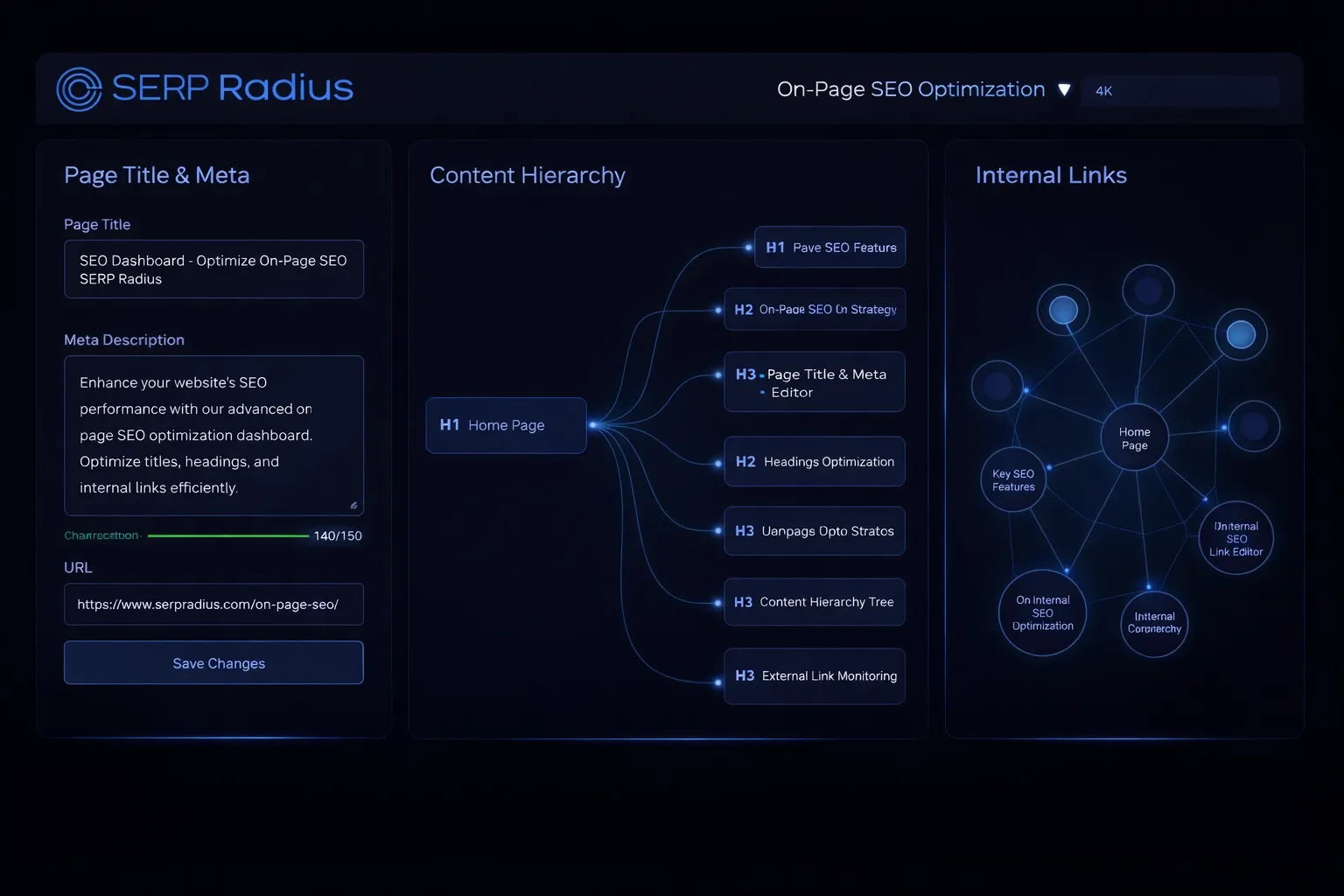
A website can be visually strong yet still miss the elements Google relies on to understand relevance and quality. Common issues include:
- Pages targeting no meaningful keywords
- Missing or weak title tags
- Poor heading structure
- Thin service page content
- Slow mobile performance
- No internal linking strategy
- Little domain authority
This is why many businesses feel frustrated. They invested money, but the website was never positioned to rank.
For companies facing this problem, reviewing the foundation through a technical SEO audit is often the smartest first step.
Technical SEO Is Often the Hidden Bottleneck
Technical SEO is one of the least visible parts of optimization, which is why it gets ignored. Yet it often determines whether growth is possible.
Search engines need to crawl, interpret, and trust your website efficiently. If technical issues exist, rankings can remain weak even when content is decent.
Common examples include:
- Broken pages and errors
- Redirect chains
- Duplicate URLs
- Weak site architecture
- Indexing problems
- Poor Core Web Vitals
In many campaigns, fixing technical friction creates the first real momentum because it removes barriers that were suppressing visibility.
Content Must Match What Buyers Search For
Many businesses publish content based on what they want to say rather than what potential customers actually search.
That gap matters.
Someone searching for “best immigration lawyer Toronto” has different intent than someone searching “what does an immigration lawyer do.” One is researching providers. The other is learning.
SEO content performs best when it aligns with real search behaviour and buying stages. That usually requires keyword research, page mapping, and understanding commercial intent.
Businesses that want stronger page performance often benefit from focused keyword research and improved on-page SEO.
Authority Still Separates Winners From Everyone Else
Even a well-built website can struggle if competitors have stronger authority.
Google pays attention to signals such as:
- Relevant backlinks
- Brand mentions
- Industry references
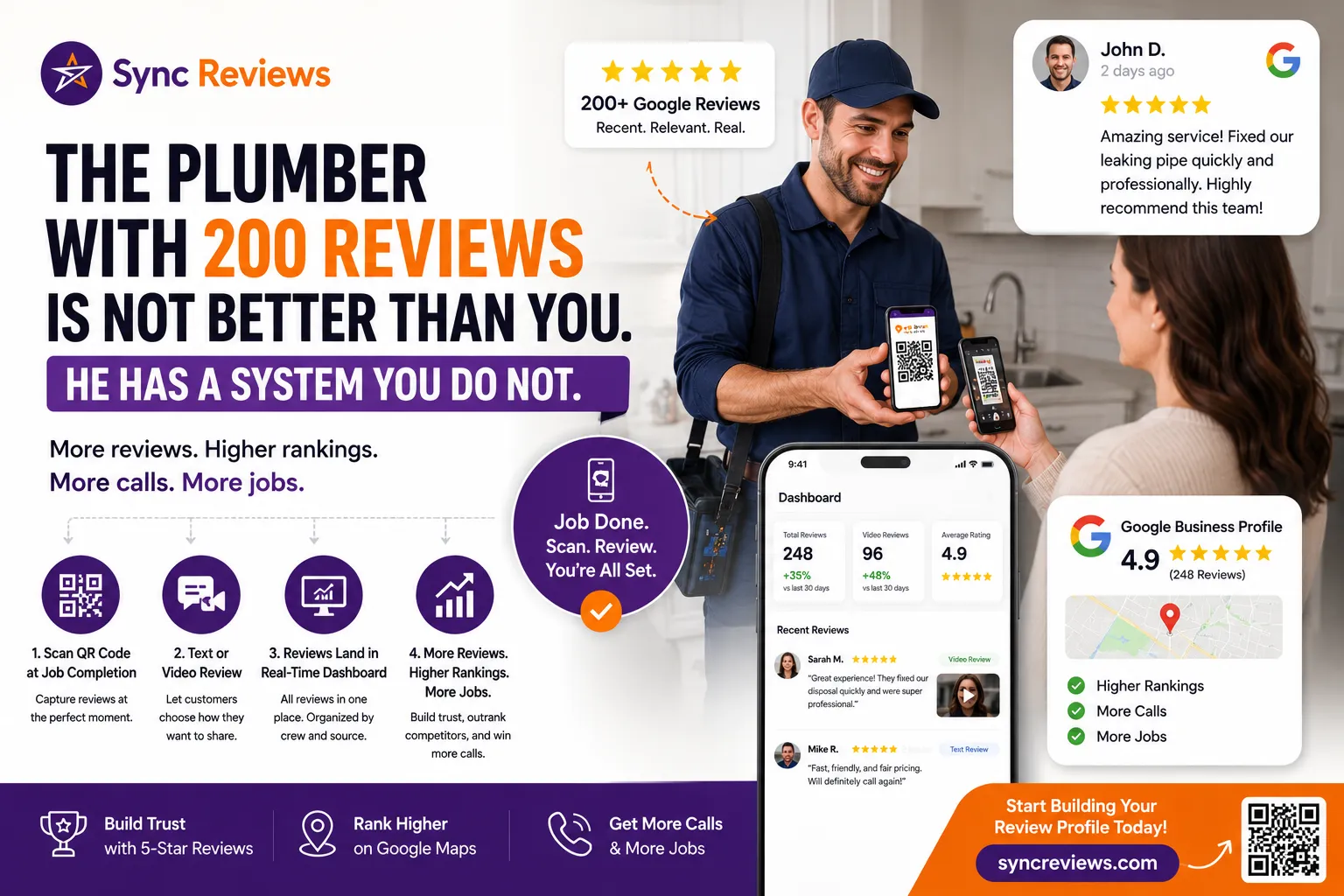
- Reviews
- Local citations
This is especially true in sectors like legal, finance, healthcare, trades, and eCommerce where competition is heavier.
Many newer businesses assume rankings should happen quickly. In reality, authority takes time to build. Consistent link building and strong content often separate long-term winners from short-term attempts.
Local SEO Is Frequently Overlooked
Businesses serving specific cities often miss one of the strongest opportunities available to them: local search.
Google Maps visibility, localized landing pages, review signals, and service-area relevance can drive highly qualified leads.
For many companies, local traffic converts better than broad traffic because the searcher is actively looking for a nearby provider.
That is why investing in local SEO can produce meaningful gains for service businesses.
SEO Is a Compounding Growth Channel
One of the biggest misconceptions in marketing is expecting SEO to behave like ads.
Paid ads can generate clicks immediately. SEO usually builds slower, then strengthens over time as improvements stack together.
Early Stage
- Technical fixes completed
- Pages restructured
- Early keyword movement begins
Mid Stage
- Organic traffic grows
- More keywords rank
- Leads become more consistent
Long Stage
- Authority strengthens
- Lower acquisition costs
- Stable inbound lead flow
This is why patient businesses often outperform those constantly switching strategies.
What Usually Holds Businesses Back
Across many campaigns, the same issues appear repeatedly:
- Expecting immediate results
- Hiring providers focused on reports instead of execution
- Ignoring technical issues
- Publishing weak content
- Building no authority
- Changing direction too often
Most underperforming websites do not need tricks. They need better prioritization and consistent work.
What to Focus On If Rankings Are Stagnant
- Audit technical issues
- Improve service pages around search intent
- Strengthen internal links
- Create useful supporting content
- Build quality backlinks
- Track leads, not vanity metrics
Businesses that commit to fundamentals usually create stronger results than those chasing shortcuts.
Final Thoughts About SEO
Most businesses struggle to rank on Google because SEO was never approached strategically. A website alone is not enough. Search visibility is built through technical strength, relevant content, authority, and consistency.
When handled properly, SEO can turn a website from a static brochure into a reliable growth asset.
If your business is not getting the visibility it should, explore how SERP Radius approaches practical SEO growth, or request guidance through the contact page.





















Sign in to leave a comment.