

Generating leads is no longer the biggest challenge for businesses—converting them is.
Many organizations invest heavily in digital marketing, ads, and outreach campaigns to bring in leads. However, despite consistent efforts, a large percentage of these leads never turn into paying customers. This gap not only affects revenue but also reduces the overall return on marketing investment.
Understanding why this happens is the first step toward improving conversion rates.

Why Most Leads Don’t Convert
1. Slow Response Time
Speed plays a crucial role in lead conversion. When a potential customer shows interest, delays in response can lead to lost opportunities, as prospects often choose businesses that respond first.
2. Inconsistent Follow-Ups
Most customers don’t convert after a single interaction. Without regular and structured follow-ups, even interested leads tend to lose interest over time.
3. Lack of Lead Qualification
Not every lead is ready to make a purchase. Without proper qualification, businesses often spend time on low-intent leads while missing out on high-potential prospects.
4. Ineffective Communication
Generic communication fails to engage modern customers. Today’s audience expects relevant, personalized, and clear messaging that addresses their specific needs.
5. Disorganized Lead Management
When leads are spread across multiple platforms, tracking them becomes difficult. This often results in missed follow-ups, duplication, and poor coordination.
How Businesses Can Improve Lead Conversion
Improving conversion is less about generating more leads and more about managing them effectively.
1. Respond Quickly
Faster response times increase the chances of conversion significantly. Setting up systems for instant or near-instant responses can make a big difference.
2. Build a Follow-Up Process
A structured follow-up strategy helps keep leads engaged and nurtures them throughout the decision-making process.
3. Focus on High-Quality Leads
Prioritizing leads based on intent and engagement allows businesses to focus their efforts where it matters most.
4. Personalize Communication
Understanding customer behavior and tailoring communication accordingly improves engagement and builds trust.
5. Centralize Lead Data
Keeping all lead information and interactions in one place improves visibility and ensures no opportunity is missed.
The Role of Automation and Smart Systems
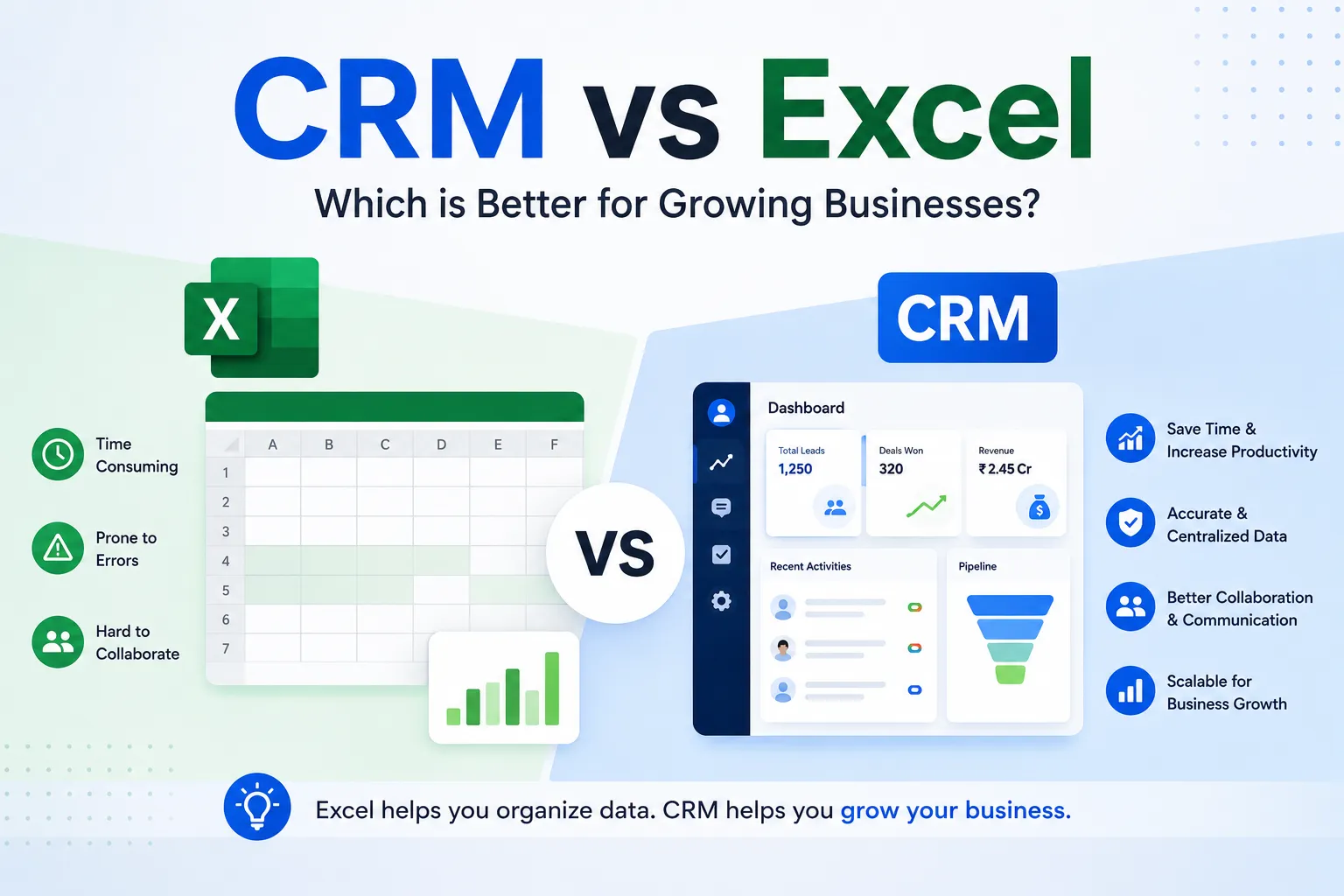
As businesses grow, managing leads manually becomes increasingly difficult. This is where modern CRM and automation tools play an important role.
Platforms such as SmoothAI CRM help streamline lead management by organizing data, automating follow-ups, and improving response times. By reducing manual effort and improving efficiency, such systems support businesses in handling leads more effectively.
Benefits of Improving Lead Conversion
Businesses that optimize their lead management processes can achieve:
- Higher conversion rates
- Better customer engagement
- Improved sales efficiency
- More effective use of marketing budgets
Conclusion
Lead generation is important, but conversion is what truly drives growth.
By addressing challenges like slow response times, inconsistent follow-ups, and disorganized processes, businesses can significantly improve their results. A structured and efficient approach to lead management ensures that more opportunities are converted into actual customers.























Sign in to leave a comment.