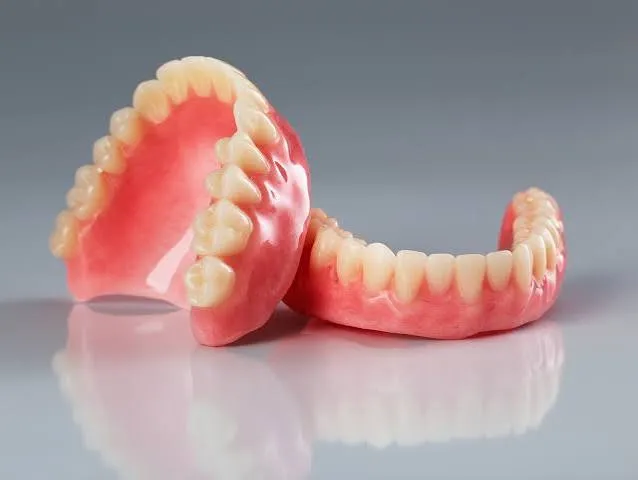

Getting new dentures is a major step toward restoring your smile, chewing ability, and overall oral health. However, many patients who receive dentures in Sylacauga and Childersburg are surprised to learn that the first few weeks of adjustment can be uncomfortable. This is completely normal and expected as your mouth adapts to a new dental appliance.
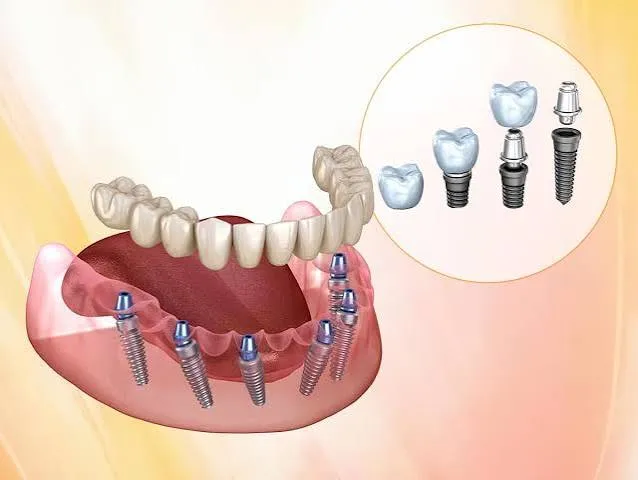
While some patients consider alternatives for a more permanent solution, dentures remain a widely used and effective option for replacing missing teeth. Understanding why new dentures feel strange at first can help reduce anxiety and make the adjustment period much smoother.
Your Mouth Needs Time to Adjust
One of the biggest reasons new dentures feel uncomfortable is simply because your mouth is not used to them yet. After losing natural teeth, the gums, jaw, and facial muscles adapt to an empty space. When dentures are first placed, they introduce a completely new structure that the mouth must learn to accommodate.
During this early stage, patients often experience:
- A feeling of fullness in the mouth
- Increased saliva production
- Slight gag reflex sensitivity
- Mild pressure on the gums
These sensations typically improve as the mouth adjusts over time.
Pressure Points and Gum Sensitivity
New dentures rest directly on the gums, which can initially feel tender. Unlike natural teeth, which are anchored into bone, dentures rely on suction and fit for stability. A dentist fitting dentures in Sylacauga Childersburg carefully designs them for comfort, but even a perfect fit can feel tight at first. This is because:
- Gums need time to adapt to pressure distribution
- Soft tissues may become slightly irritated
- Bone ridges adjust gradually to new contact points
Minor soreness is common during the first few weeks and usually improves with small adjustments.
Changes in Speech and Eating Habits
Another reason new dentures feel uncomfortable is the adjustment required for speaking and eating. Your tongue and lips play a major role in controlling speech, and dentures change how those movements function.
Patients often notice:
- Slight lisp or speech changes
- Difficulty pronouncing certain words
- Feeling like dentures may shift while talking
Similarly, eating with dentures requires practice. Foods that were once easy to chew may feel awkward at first, especially harder or stickier items. Over time, the mouth learns new muscle coordination, and these challenges significantly improve.
Excess Saliva Production and Gag Reflex
It is very common for new denture wearers to experience increased saliva production. The body sometimes treats dentures as a foreign object, triggering a natural response to “flush out” what it doesn’t recognize. In addition, some patients experience a mild gag reflex when first wearing upper dentures. This is temporary and usually fades as the brain adapts to the new sensation. A dental professional may reassure patients considering dental implants in Childersburg that implants typically do not cause these sensations, whereas dentures require a short adaptation phase.
Fit Adjustments Are Normal
Even well-fitted dentures may require follow-up adjustments. As gums heal and settle, the shape of the mouth changes slightly. This can affect how dentures sit.
A dentist providing dentures will often schedule follow-up visits to:
- Adjust pressure points
- Improve stability
- Reduce irritation spots
- Enhance overall comfort
These refinements are a normal part of the denture process and significantly improve long-term comfort.
Emotional and Psychological Adjustment
Beyond physical discomfort, wearing dentures can also require an emotional adjustment. Patients may feel self-conscious or uncertain about speaking or smiling in public. This is completely natural, especially during the early stages. However, most patients regain confidence once they become comfortable with their new dentures or explore alternatives such as dental implants in Childersburg for a more permanent, natural-feeling solution.
Conclusion
New dentures often feel uncomfortable at first due to pressure on the gums, speech adjustments, increased saliva, and the simple fact that your mouth needs time to adapt. These challenges are temporary and improve significantly with consistent wear and minor adjustments.
For patients receiving dentures in Sylacauga Childersburg, patience during the first few weeks is key. With proper care, follow-ups, and practice, most people adapt successfully and regain normal function. If discomfort persists over the long term, consulting a dental professional about alternatives may provide additional solutions to improve comfort and stability.
























Sign in to leave a comment.